

By Brianna Brinker, Campus News Editor
Are you a college student wondering how to make your summer break productive and help prepare for your future career? If so, there are many ways to use your break to enhance your résumé, strengthen your LinkedIn, and build your portfolio.
Students don’t always need a job or a 40-hour internship to make their professional presence stronger. It is important that, if you don’t get a job or internship, to not stress but use it to your advantage. Work on your tools that will eventually get you a job after you graduate.
A résumé is key for a college student; it is where we write down all our accomplishments and experience. The very first thing your résumé needs is to look professional, even without the professional work listed.
For example, it needs to be in the correct format: one page, black and white, with no pictures or colorful designs. It should have easy readability, and most of the information should focus on your college experience.
Career Services provides Handshake, a resource on Okta that provides many tools for students such as setting up meetings for interview practice, job and internship applications, and résumé formats for different majors. There are a few things that you can add to a résumé easily over the summer such as getting certified in a field of your choice.
For those majoring in English, it is important to get certified in skills such as journalism with the help of free courses that are easy to find. This can also be said for many other majors, for example, business majors should look for certifications in management or entrepreneurship.
“Employers care about what you can do, not just what you’ve taken in class. Even something as simple as expanding your Excel skills, improving communication skills, or taking on a leadership role at work can set you apart,” said Tonya Mazur, professor of business and management.
If you are unable to get an internship in your dream career fields, reach out to the company to volunteer or shadow them for a day to gain experience in your field.
Dr. Audrea Maxwell, student success coach, agrees that volunteering is beneficial over the summer and says it’s good for students to learn new skills and open potential networking opportunities.
Here are some ideas for all different majors that can be done in the summer virtually.
- Create a podcast
- Write a book
- Sell your products
- Conduct a survey or do a research project
- Start a blog or create content of some sort
- Start a non-profit organization
- Take a class over the summer
- Help a company market their business
A lot of students have created various things and projects, but have nowhere to show their work; this is where a portfolio comes in. Use the summer to create a portfolio that has the work you created for your aspired career.
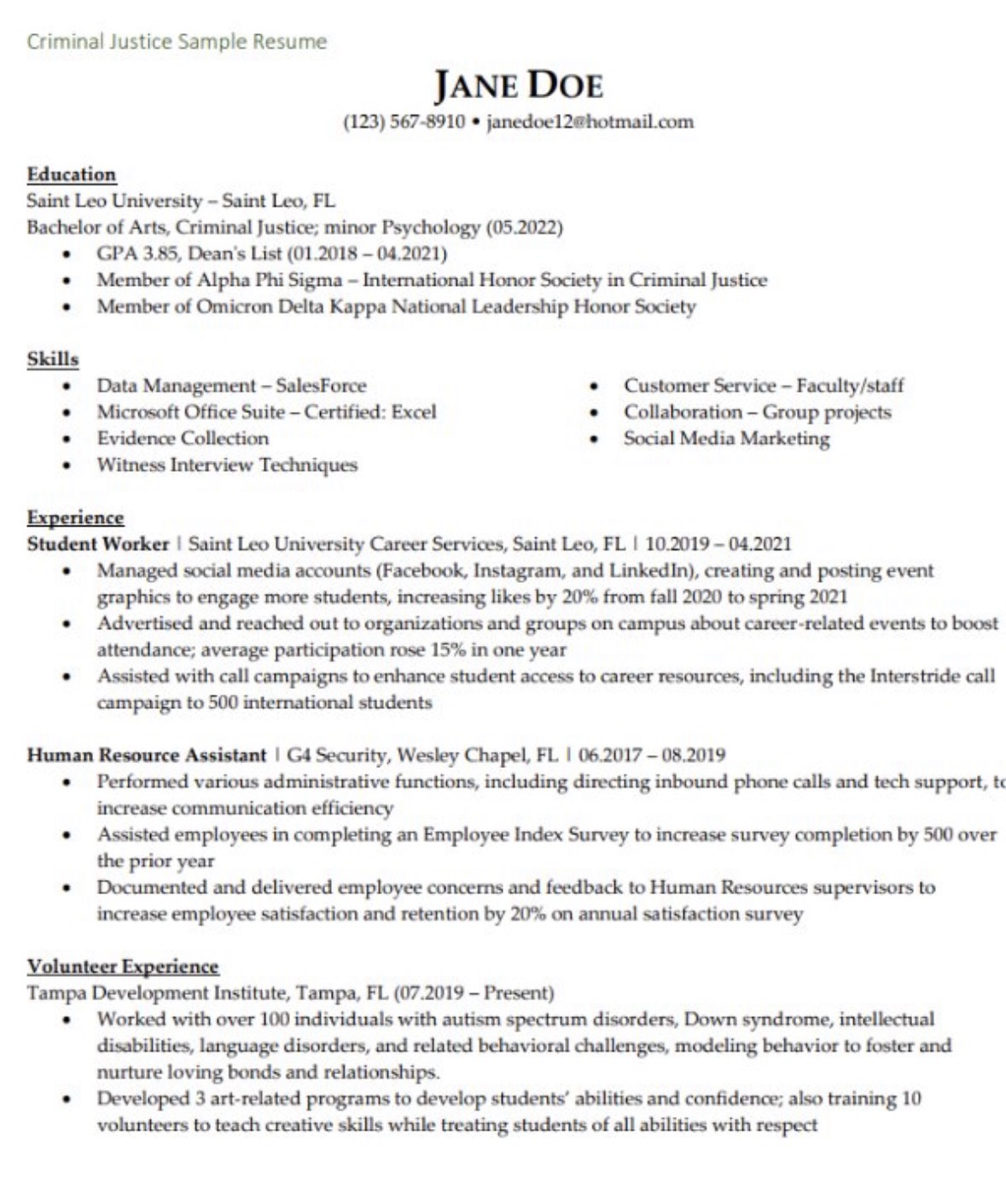
This is different from a résumé which tells employers about your experience, while a portfolio shows examples of your work. Make your portfolio your own; it should showcase your creativity and who you are!
A portfolio should have a home page with your name, an “about me” section that includes a headshot, examples of your work, and your contact information. All of these should be tabs on the home page that are clickable and can transport someone to the information right away.
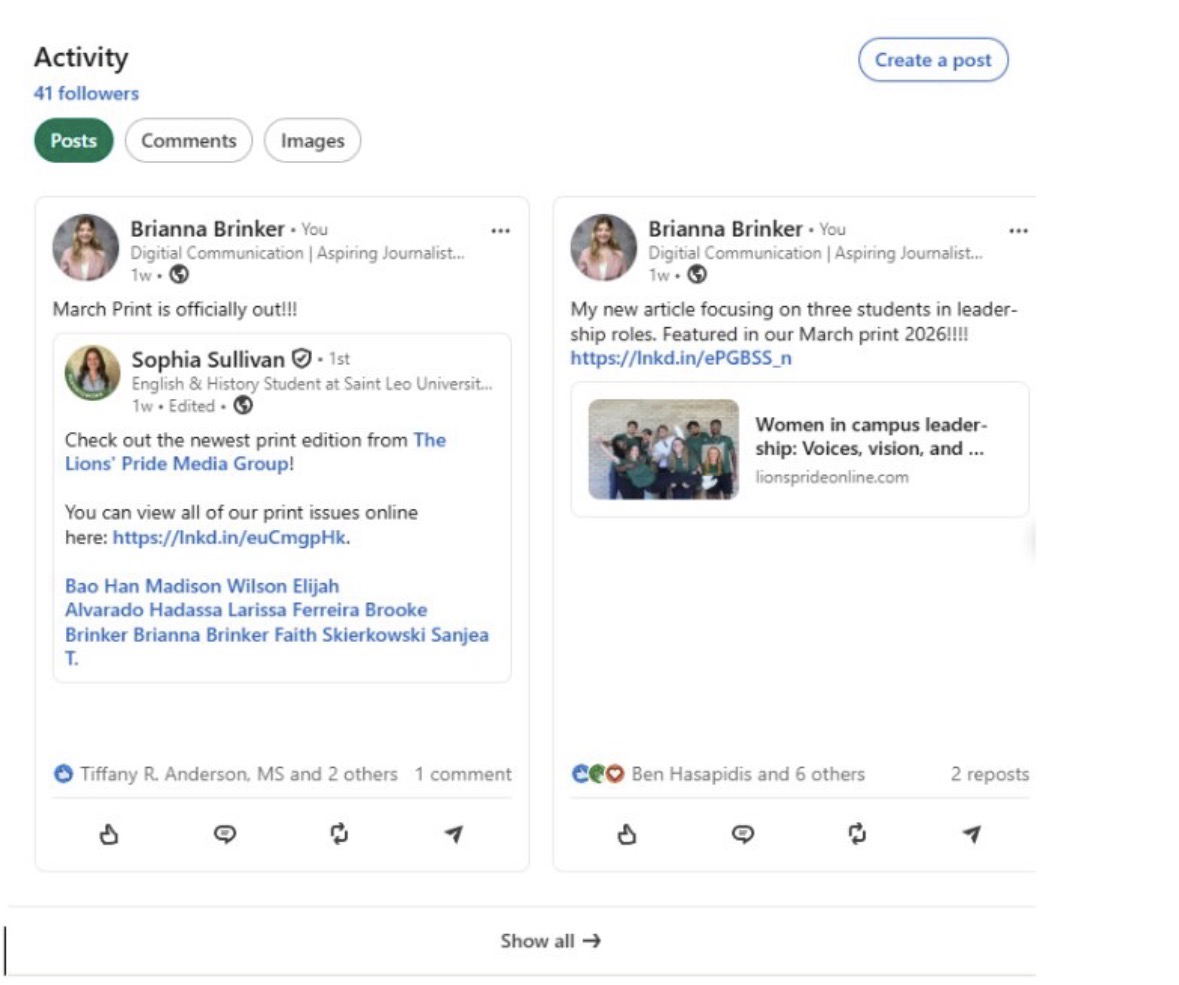
LinkedIn is a great resource offered to show your professional presence.
“Don’t overlook LinkedIn. Add a professional photo, write a strong headline, and start connecting with professionals in your field. Even small improvements can make a big difference when you’re applying for jobs,” said Mazur.
For your bio, list your major, what you aspire to do, and two adjectives that describe you.
Fill out the “about me” section, and put in your experience, whether it is work, interning, or volunteering. Put your education and the activities you do on campus, and for the skills section, make sure you have at least seven.
The most important part of having a LinkedIn is to be active on it! Post what you do on campus, post links of content you create, and post photos of events you were a part of. When job recruiters look at your account, they are going to want to see an active account.
“I also highly recommend taking advantage of IBM SkillsBuild, which is something we’re actively supporting at Saint Leo. It offers free, industry-recognized learning in areas like AI, data, and professional skills, and those credentials are absolutely worth adding to your résumé and LinkedIn,” said Mazur.
Also, writing your goals down will help you achieve them, make it fun, and turn it into a bucket list for the summer.
“Throughout the course of the summer, write down new goals to help prepare you for the new fall semester, to help you develop a healthy school/life balance. Doing this will help you avoid burning out due to the challenges of life and academia,” said Maxwell.
Strengthen and build your resources. Make your résumé, portfolio, and LinkedIn the best they can be. Learn new skills, gain more experience, and prepare yourself for your future by making this summer count.