

By Sanjea Taylor, World News Editor
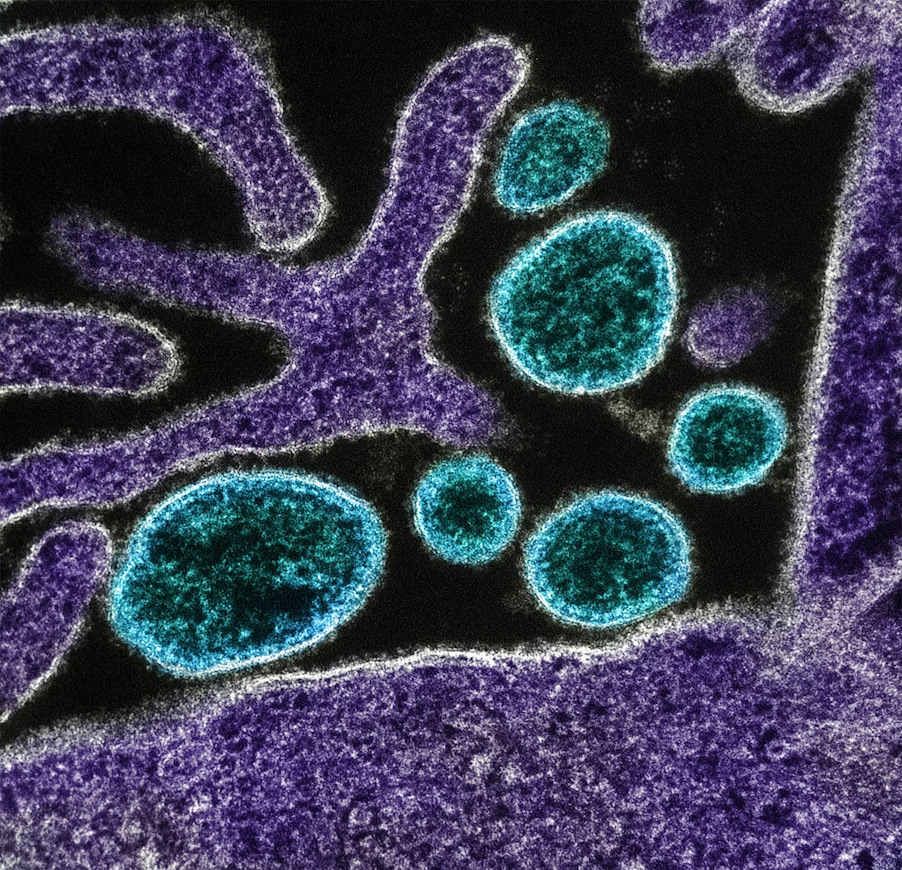
Measles is one of those diseases most people thought was a thing of the past, but lately it’s been making a comeback in a big way. Cases are rising again across the United States, and it’s starting to raise serious concerns about public health and safety.
According to NBC News, more than 1,700 measles cases have already been reported in 2026, which made it one of the worst years for infections, despite the disease having been stated to be eliminated in 2000. The outbreak has been spreading across multiple states, and weekly case numbers continue to grow.
According to MedPage Today, states like Utah, Texas, South Carolina and even Florida have seen rising numbers. Some of the cases being reported are connected to outbreaks that have happened in schools and colleges, where the disease can spread more easily among students.
MedPage Today also warned that if the spread continues, the United States could lose its measles elimination status completely.
Dr. Deb Peterson, the department chair and associate professor of nursing and Kathleen Garnett, a nursing instructor at Saint Leo University, both shared their professional thoughts on this.
“The increase in measles cases is largely driven by declining vaccination rates and disruptions in routine immunizations over the past several years. Evidence shows that national coverage for the MMR vaccine has dropped below the 95% threshold needed to maintain herd immunity,” said Peterson.
According to the CDC (The Centers for Disease Control and Prevention), measles is one of the most contagious diseases and can quickly travel across borders. Even one infected person can spread the virus to a large group of unvaccinated persons, making outbreaks much harder to control once they begin.
“Measles is highly contagious, and even small declines in immunization coverage can lead to outbreaks,” said Garnett.
The rise in measles cases can also be related to ongoing debates around vaccines, especially as more people question if they are safe or even choose not to get vaccinated. Also, outbreaks like this start with people traveling internationally and then bringing the virus to the United States.
“We are also seeing increased global travel, which allows measles to be brought into the United States from countries where it is still more common. When this is combined with pockets of unvaccinated individuals, it creates the perfect environment for the virus to spread,” said Garnett.
Many of these outbreaks are happening in areas where people are either unvaccinated or under-vaccinated, creating the perfect environment for the measles virus to spread.
“Research shows that exposure to vaccine misinformation is associated with decreased intent to vaccinate,” stated Peterson. “This undermines public health efforts by lowering vaccination uptake and delaying timely immunization.”
“False information, especially spread through social media, can create fear and confusion about vaccine safety, despite overwhelming scientific evidence supporting their effectiveness. This leads some individuals to delay or refuse vaccination,” said Garnett.
Peterson and Garnett have seen this firsthand, as nurses, in their work with patients and have emphasized the importance of clear, respectful communication in these situations.
“As nurses, we frequently encounter patients and families who have concerns shaped by inaccurate information, and addressing those concerns with evidence-based education and respectful communication is critical,” added Peterson.

While vaccines don’t guarantee full immunity, they greatly lower illnesses and help protect communities. While these debates continue to happen, health officials are making sure the public is aware and has the correct information to slow down the spread of this disease.
As cases increase, the risk on public health is a serious concern for the country. It increases risks for communities and puts added pressure on the healthcare system along with many more effects.
“This increase is very serious. Measles is not a mild illness—it can lead to severe complications such as pneumonia, encephalitis, and even death,” said Garnett.
These effects go beyond the national level and can also directly affect local communities. When outbreaks spread, they can quickly affect everyday places where people gather and interact.
“At the community level, outbreaks can spread quickly in schools, churches, and healthcare settings … This can lead to increased hospitalizations, strain on local healthcare resources, and the need for public health interventions such as quarantine and contact tracing,” said Peterson.
“Importantly, outbreaks disproportionately affect those who cannot be vaccinated, such as infants or individuals with certain medical conditions, placing them at significant risk,” added Peterson.
It’s also important for college students to know the basic steps they can take to protect themselves and others before an outbreak happens.
“College campuses are high-risk environments for transmission due to close living quarters and frequent social interaction. Students should ensure they are up to date on their MMR vaccination, as this is the most effective way to prevent getting the virus,” stated Peterson.
“Students should also be aware of symptoms—such as high fever, cough, runny nose, and rash—and seek medical attention if they feel ill. Practicing good hygiene, staying home when sick, and following campus health guidelines are also important steps,” added Garnett.