


By Sayuri Vargas-Hernandez, Staff Writer
Every March, the campus fills with events, spotlights, and conversations honoring Women’s History Month. For a few weeks, it feels like the entire community is tuned in, celebrating women’s leadership, sharing stories, and creating space for voices that aren’t always centered.
But not everyone experiences the month the same way, and because some students say the energy can feel temporary, almost like a bright spotlight that fades as soon as the calendar flips to April.
For many students, that visibility is powerful. It pushes campus culture forward and reminds everyone just how much women contribute to our classrooms, organizations, and everyday life.
It feels like a pattern of themed events, inspirational quotes, social‑media posts, and then silence as soon as March is over. For those students, Women’s History Month risks becoming a checklist item: celebrate, post, applaud, repeat.
That tension raises a bigger question about what real support looks like on a college campus. Students who feel the month falls short aren’t criticizing the celebration itself because there is a need for consistency.

More is needed. More, such as mentorship opportunities that last beyond March, more women represented in leadership roles, and ongoing conversations about equality that don’t depend on a themed month to feel relevant.
Honoring women’s achievements matters, they argue, but it shouldn’t replace the work of addressing the challenges women still face in academic, social, and professional spaces.
Students believe Women’s History Month still plays an important role. Because it’s a spark, a moment that tells everyone to reflect, learn, and build community.
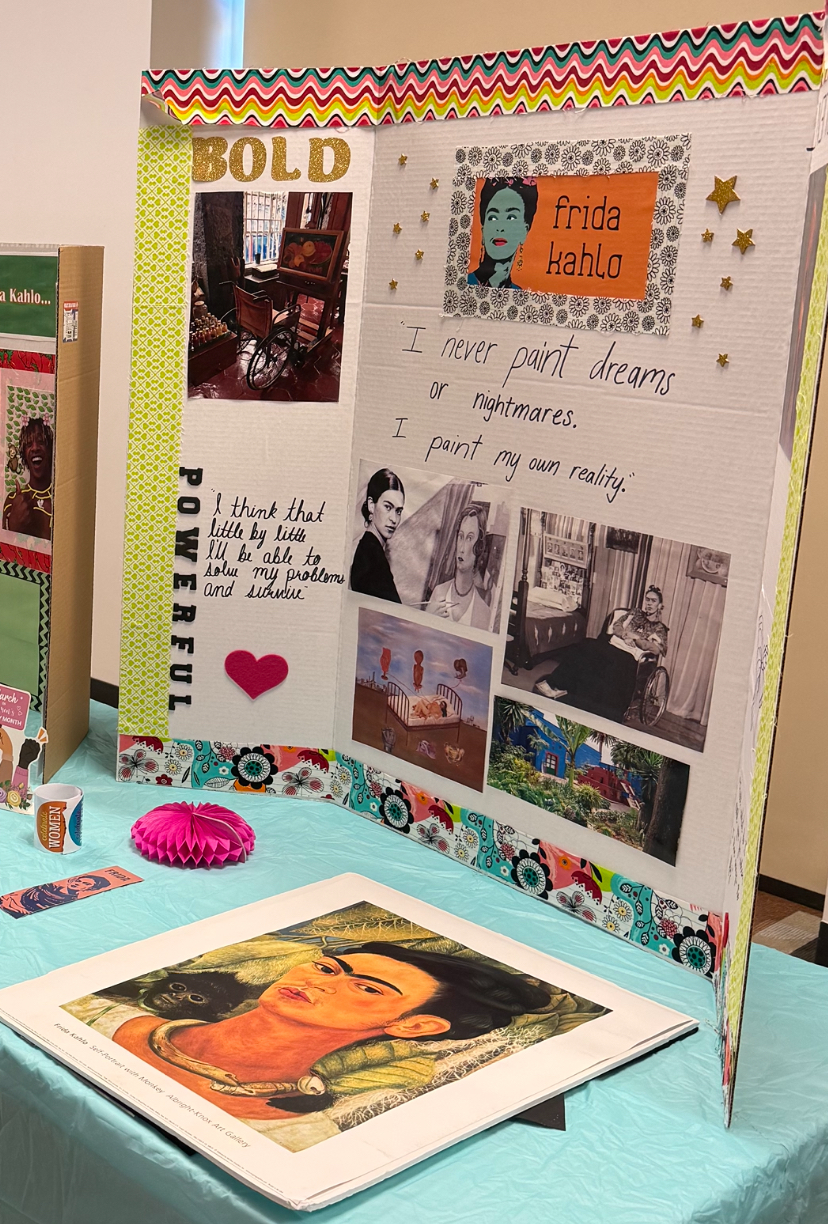
Saint Leo University hosted a Women’s History Month event.
“I attended Women’s History Month event that Dr. Pam DeCius and Dr. Kelly hosted in the boardrooms with their classes, which really shows how impactful those kinds of experiences can be. I think there’s a great opportunity to build on that momentum through even more campus-wide visibility and student involvement,” said Tiffany Alongi, a sophomore majoring in Business Management.
This month creates opportunities that might not happen otherwise. It invites students to engage with stories and perspectives that deserve to be seen.
In the end, the question isn’t whether Women’s History Month should be more visible, but also what students do with the energy it brings. Is it just a celebration, a beginning, or both? The answer depends on how we keep the conversation going through the year, whether we let the spotlight fade or keep it longer after March ends.