

By Sayuri Vargas-Hernandez, Staff Writer
Just imagine a place where cities are filled with music, color, and dancing. A place wheretraditions, food, and nature come together to create a lively and welcoming culture. That place is called Colombia.
Colombia is in the northwest part of South America, bordering Venezuela, Brazil, Peru, Ecuador, and Panama. Today, Colombia has about 53,936,226 people from many backgrounds, including Indigenous groups, Afro‑Colombians, Mestizos, and immigrants.
“What I love about Colombia is not just the fact that I was born there and grew up there for a while, but that it is so diverse that you can easily travel an hour or longer and find yourself in a completely different environment. Said Manuela Henao Coca, a graduate student, getting her MBA in Project Management.
Something interesting about Colombia is that it has two coastlines, one on the Pacific Ocean and one on the Caribbean Sea. Because the country is close to the equator, Colombia does not have four seasons, such as winter and summer. Instead, the weather depends on the altitude. This means you can find hot, warm, or cold places all year long.
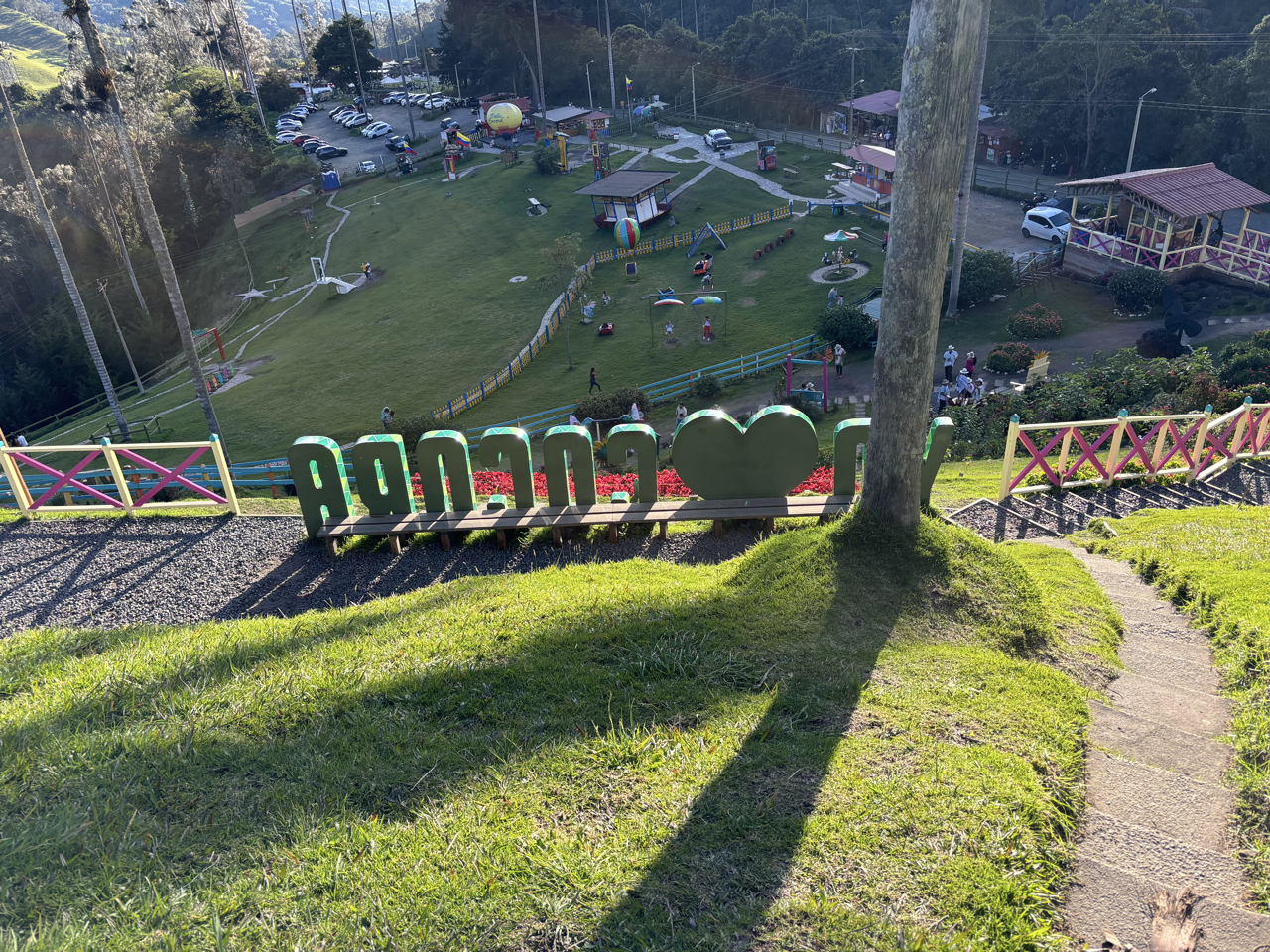
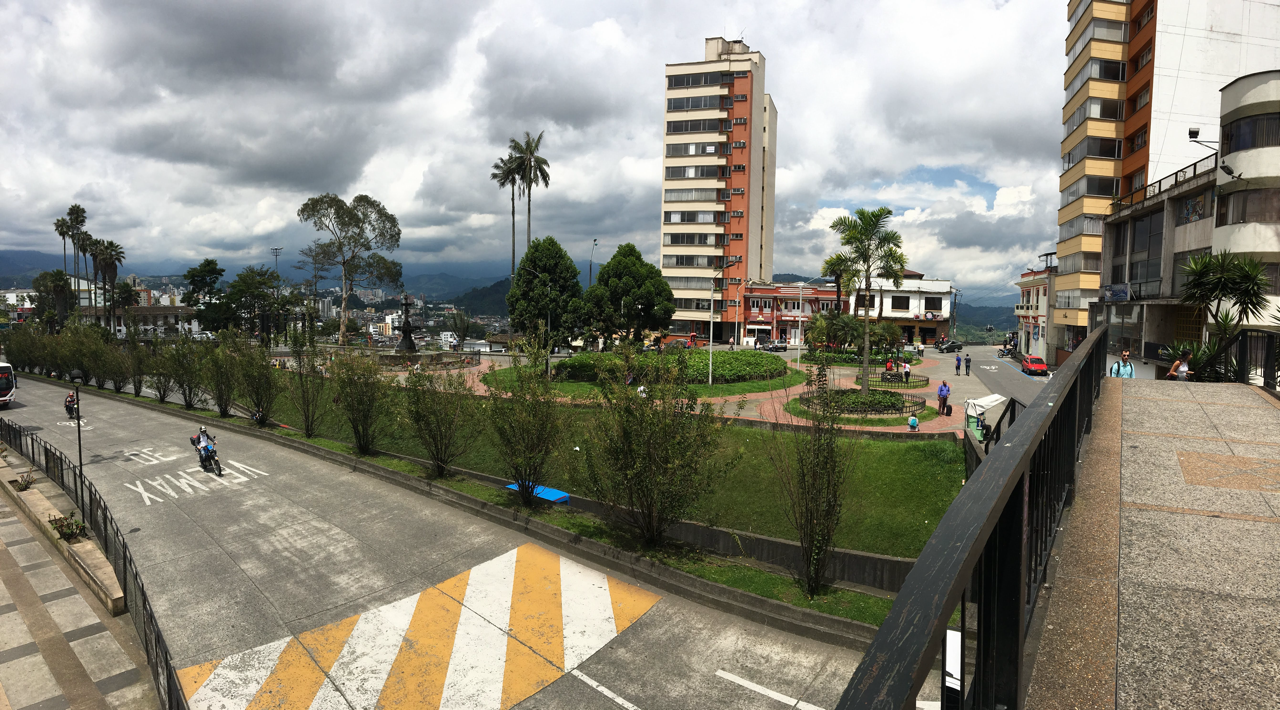
“The weather is a perfect mix of clouds and sunshine, creating a calm and refreshing atmosphere. As you walk around, you can feel the fresh air and see nature all around you, even fruit growing along the paths.” Said Andres Cubillos, a graduate student getting his MBA in Project Management.
As of early 2026, Colombia’s president is Gustavo Petro, and on July 4, 2026, Colombia will mark 35 years since its 1991 Political Constitution was enacted. This constitution was important because it recognized the country’s cultural diversity, protected human rights, and encouraged greater participation in politics.
Colombia is known for its colorful, fun celebrations. One of the biggest is the Carnival of Barranquilla, which lasts four days before Lent. During this festival, people dance in the streets, wear bright costumes, and enjoy traditional music. Another major celebration is the Black and Whites’ Carnival in Pasto, held every Jan. 2–7. It includes parades, artistic floats, and creative performances that show the country’s cultural pride.
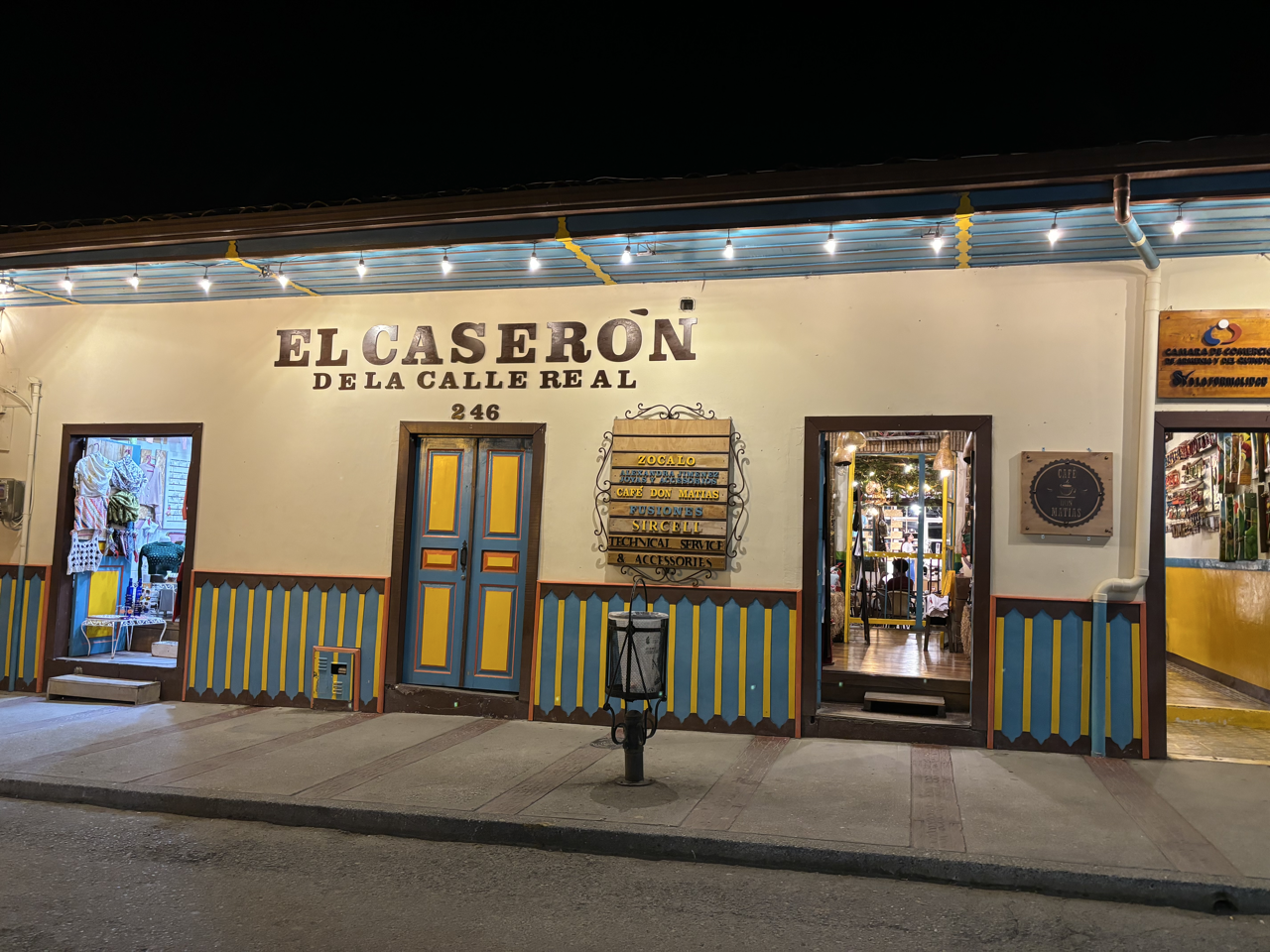
Food is a big part of Colombian life. The cooking mixes Indigenous, Spanish, African, and Arab influences. Popular dishes include bandeja paisa, lechona, sancocho, changua, arepas, ajiaco, and mojarra. Each region has its own special flavors, making Colombian food rich and diverse.
“There are many food options to try, and each area offers something different, but everything is still walkable and easy to explore.” Added Cubillos.
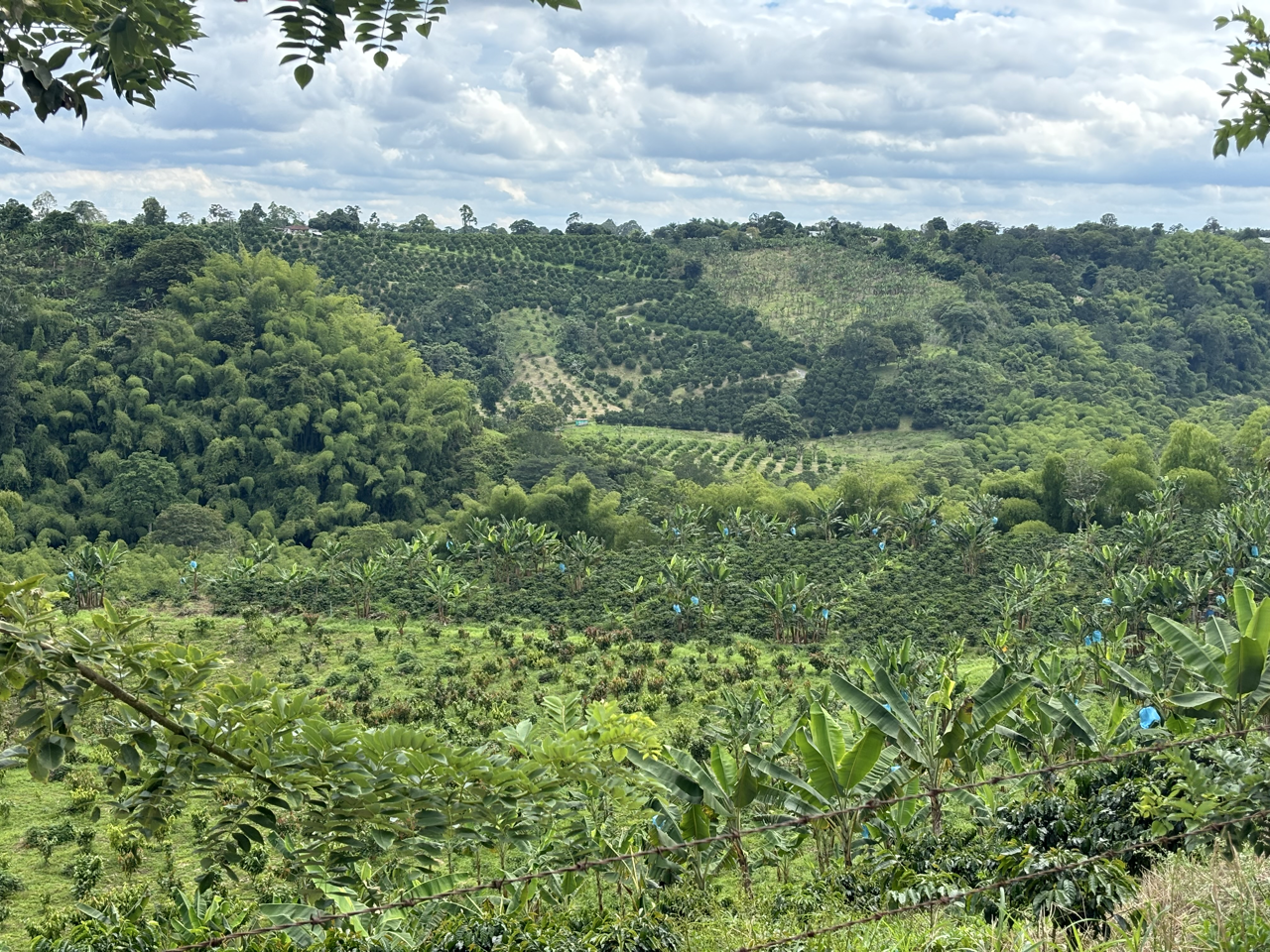
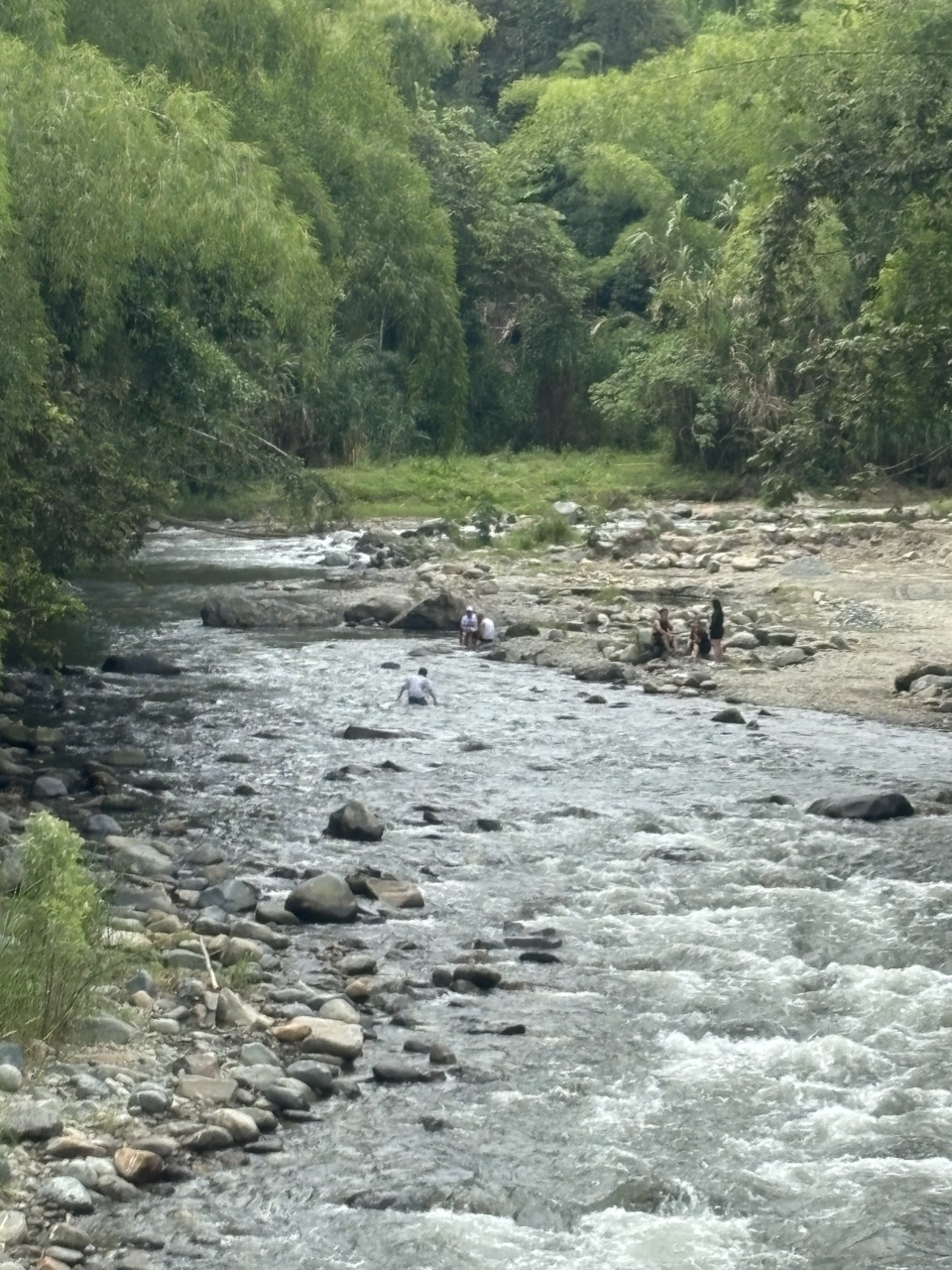
Colombia is also one of the most biodiverse countries in the world. It hosts about 10% of all species on Earth and ranks first in the number of bird species. The country is famous for its emeralds, which account for most of the world’s production. Colombia’s landscapes include the Amazon rainforest, the Andes mountains, coffee‑growing regions, tropical beaches, and wide plains called “llanos.”
Colombia was colonized by Spain, but over time, it has blended many cultures to create a unique identity. Today, the country is known for its warm people, strong traditions, beautiful nature, and commitment to diversity and democracy.