

By Togzhan Baikenova, Contributing Writer
Spring break is almost here. It is the ideal time for students to step away from their classes and recharge before the final semester. For many students, that simply means enjoying the beaches. However, Florida offers much more than beaches and sunshine. The state has a rich history and many fascinating places that are worth visiting during spring break.
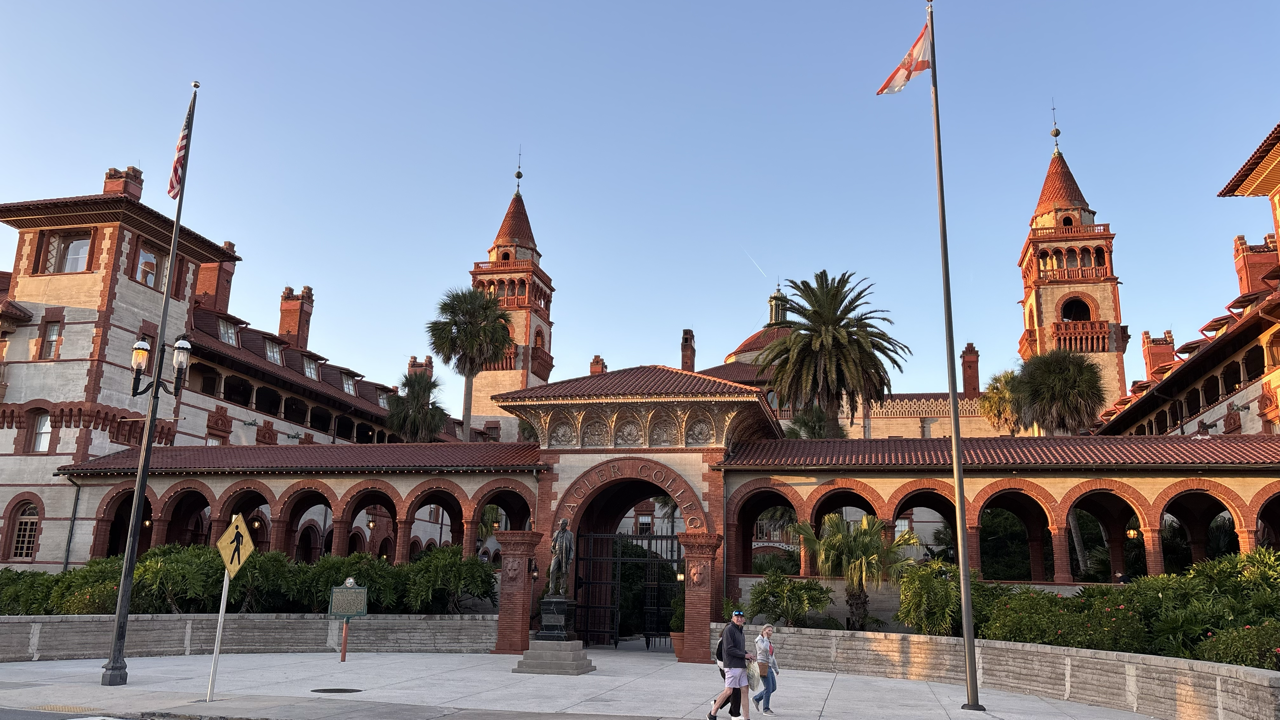
St. Augustine is a popular destination for those seeking to experience Florida’s history. Known as America’s oldest city, St. Augustine is the oldest continuously occupied European settlement in the continental United States.
The city of St. Augustine’s official government website states that Spanish settlers founded the city in 1565, 42 years before English settlers founded Jamestown. Tourists can visit historic sites such as the Old Town, local museums, and the Castillo de San Marcos.
MohammedElyes Marouki, a graduate student in Computer Science, commented, “St. Augustine is one of the most beautiful cities I have visited in Florida. The whole city is immersed in culture and history.”

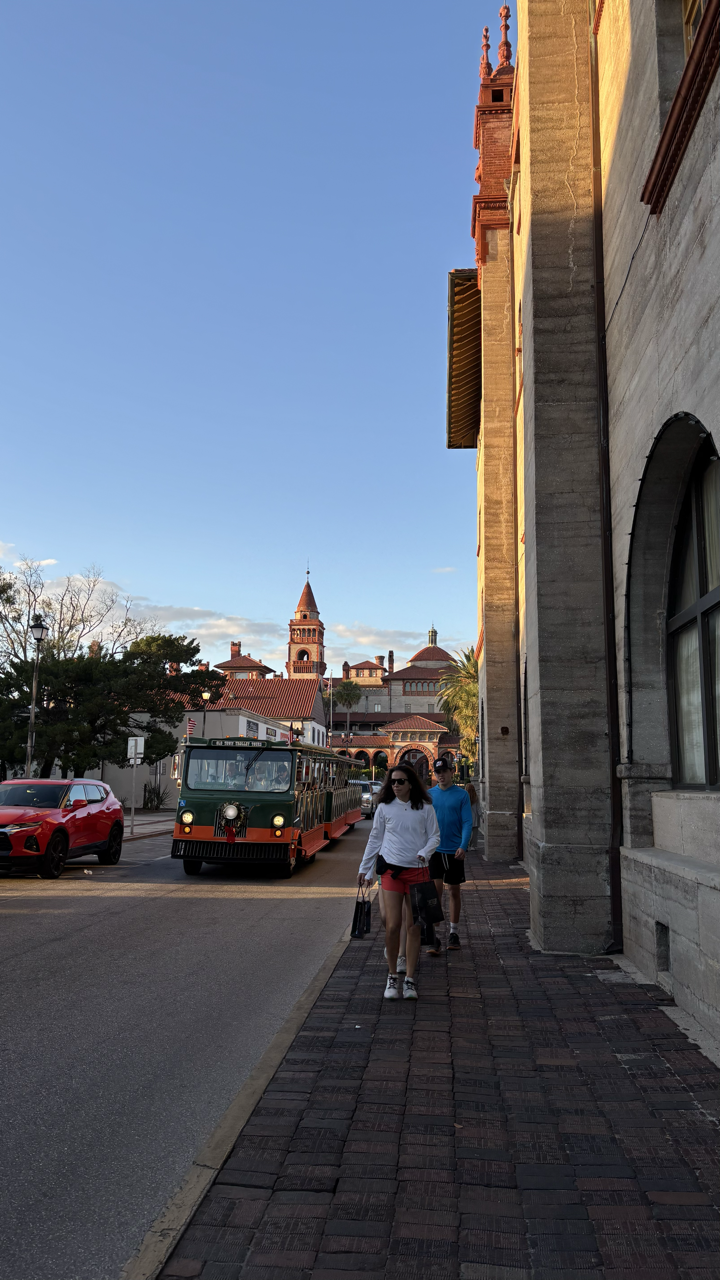
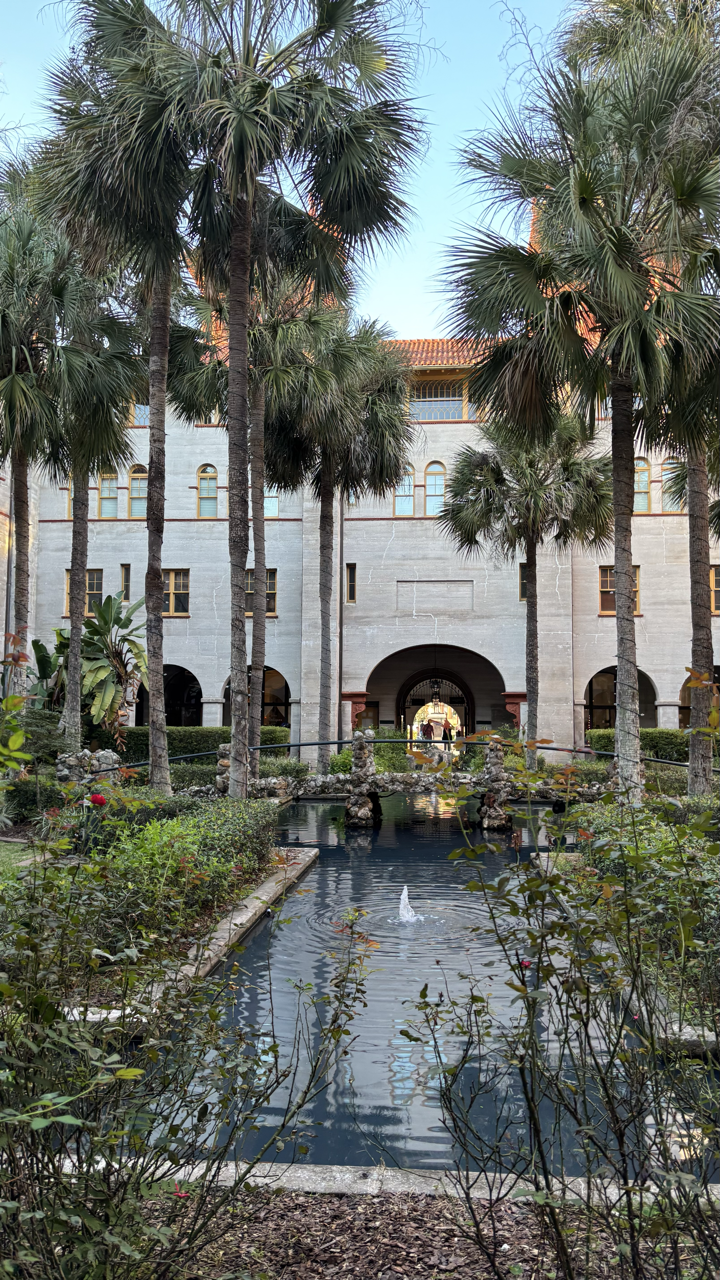
Marouki noted that the small size of the city made it possible to see many attractions in a short time.
“The city is small, but it’s actually an advantage. In a couple of days, I visited two museums, walked around the historic streets, saw the fortress, and went to the beach,” Marouki said.
Beyond St. Augustine, Pensacola is another option worth considering. Beyond St. Augustine, Pensacola is another option worth considering. According to the City of Pensacola, Pensacola is known as “America’s First Settlement.” Throughout its over 450-year history, the city has been under several flags, including the Spanish, French, British, Confederate, and American, which has given Pensacola the nickname ‘City of Five Flags.’ Key West, Tallahassee, and Jacksonville are also great cities to explore Florida’s history.
For our faculty, the value of these kinds of trips goes beyond sightseeing. Allyson Marino, associate professor of English, believes visiting historic places can help students gain a deeper understanding of Florida beyond the stereotypes often associated with the state.
“While Florida is often stereotyped in representations outside of the state, we actually have a wide diversity of landscapes, cultures, and people, and historical importance. Postcards of Disney and beach vacations can hide this richness,” Marino said.
Historic travel offers students a chance for genuine personal growth. This is especially relevant for students living in Florida, as it has a rich history to learn. Exploring the state’s past can create a sense of belonging and connection to the place they live in and call home. Such travels offer a chance to immerse oneself in history and culture and broaden horizons and worldview.
“There’s nothing wrong with mixing a little education with some fun!” Marino supported.
Additionally, Marino recommended several historic destinations in Florida for students to consider during spring break.


“St. Augustine is always a great choice. You can learn about Florida’s early colonial history and still enjoy the beautiful beaches and nature. Historic Eatonville is not far from Orlando tourist destinations, and you can visit the Zora Neale Hurston Museum of Fine Arts and the Saint Lawrence African Methodist Church, one of the oldest African American churches in Central Florida.” Marino said.
Marino also recommended destinations that students can explore locally.
“You could explore Tampa Bay’s historical and cultural roots in Ybor City, or you could visit some of the key Native American history sites throughout the state, including the Ah-Tah-Thi-Ki Museum on the Big Cypress Indian Reservation in South Florida. It’s one of many sites included in the Trail of Florida’s Indian Heritage network.”
Florida has many historically rich destinations, giving students plenty of options for a spring break that goes beyond the typical beach trip. With so much history and culture spread across the state, a meaningful and memorable experience may be closer than many students think.