

By AimeeMarie McElreath, Campus News Editor
Not only do students thrive on Saint Leo University’s campus, but the animals do as well!
Saint Leo has many wild animals that live on campus; you may see them walking around. However, there is more to these animals than what meets the eye.
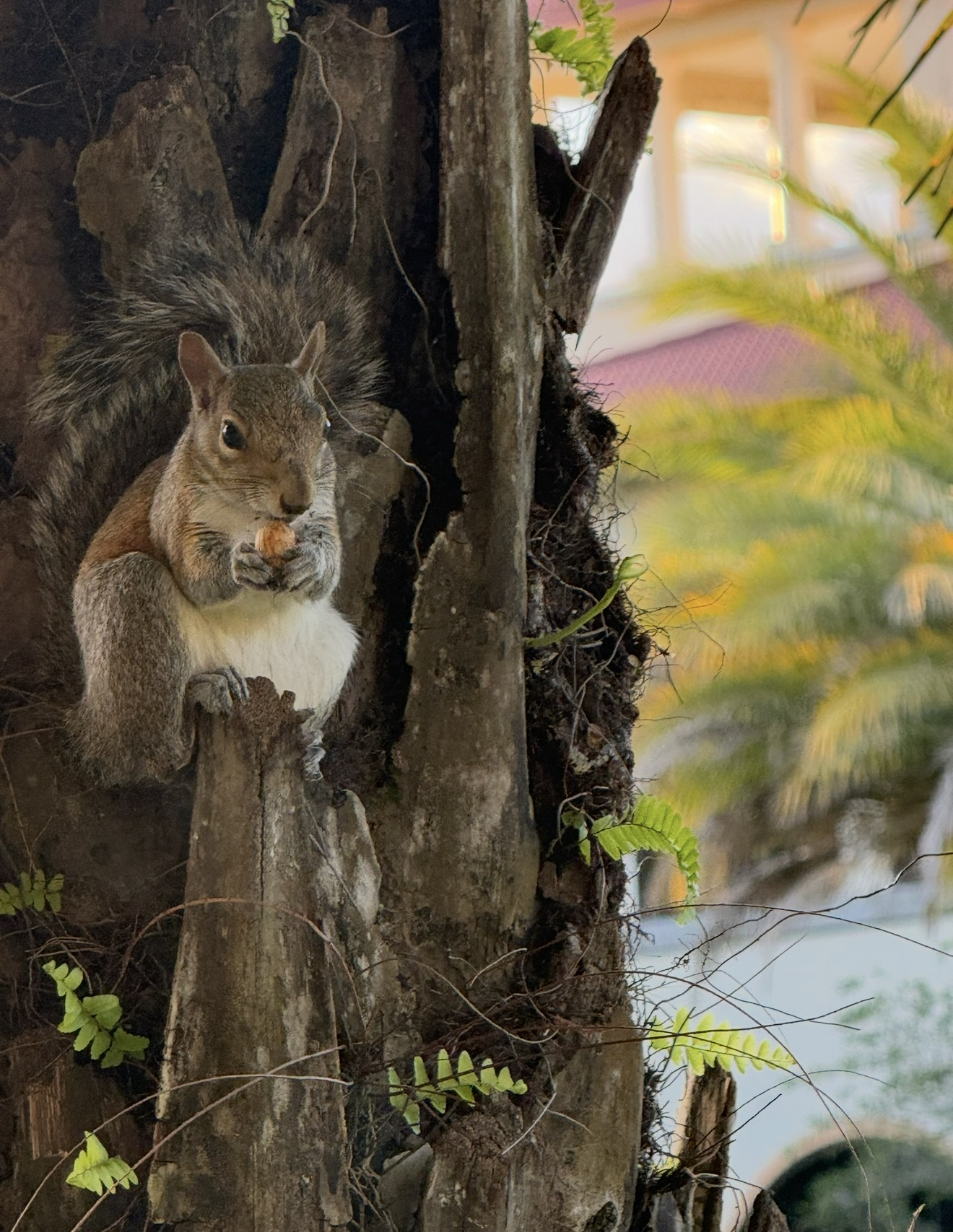
One of the most notable animals on campus is the squirrels. Wherever you go, they seem to be everywhere. These squirrels belong to the species, the eastern gray squirrel.
“My favorite animal on campus are the squirrels,” said Julia Tagarao, a sophomore studying psychology. “They are very photogenic and I like taking pictures of them when they stand up or eat.”
According to the Florida Fish and Wildlife Conservation Commission (FWC), the eastern gray squirrel can grow 17 to 20 inches long, and they are one of the three squirrel species native to Florida, the others being the fox squirrel and the southern flying squirrel.
Although these squirrels spend most of their lives in trees, they usually eat on the ground. These squirrels also can recall thousands of locations based on where they buried their food!
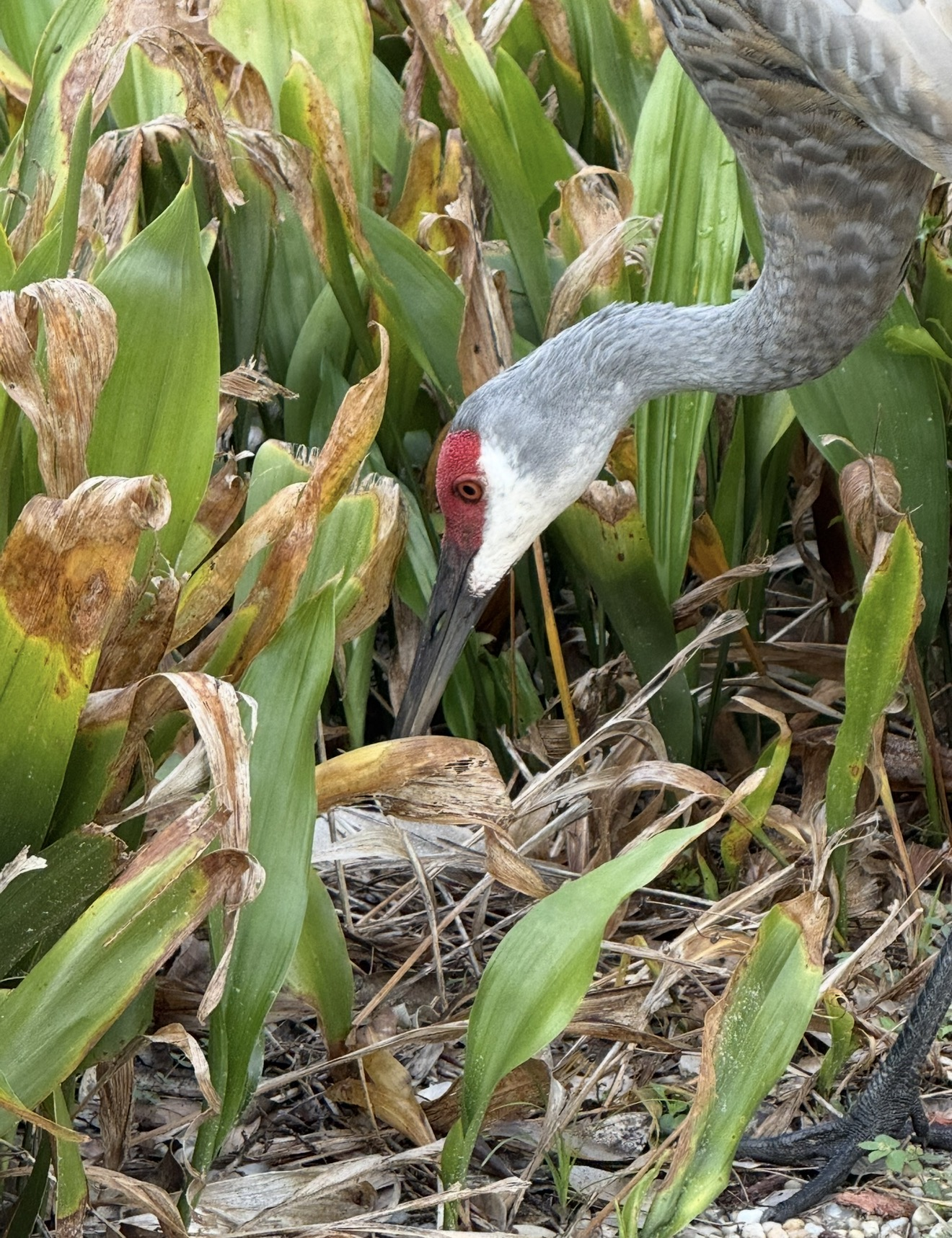
If you’ve walked around campus, chances are that you have seen sandhill cranes alone or in groups of two or three. When it comes to sandhill cranes, the FWC suggests that they can grow up to almost four feet tall!
“I walk past the sandhill cranes often every week,” recalled Tagarao. “You can get close to them and they will not mind. Sometimes they even walk on the sidewalk with people.”
These birds also live by the water in prairies, pastures, and marshes, and they typically dig for seeds, worms, grains, and berries.
However, despite how cute or interesting these animals are, it is critical for humans not to feed them. The FWC warns that feeding sandhill cranes is illegal and can cause the lives of these birds and humans to become too involved with one another, which ends up harming the cranes.
Overall, the FWC warns against feeding any wildlife due to the harm that the association that animals can make between humans and food.
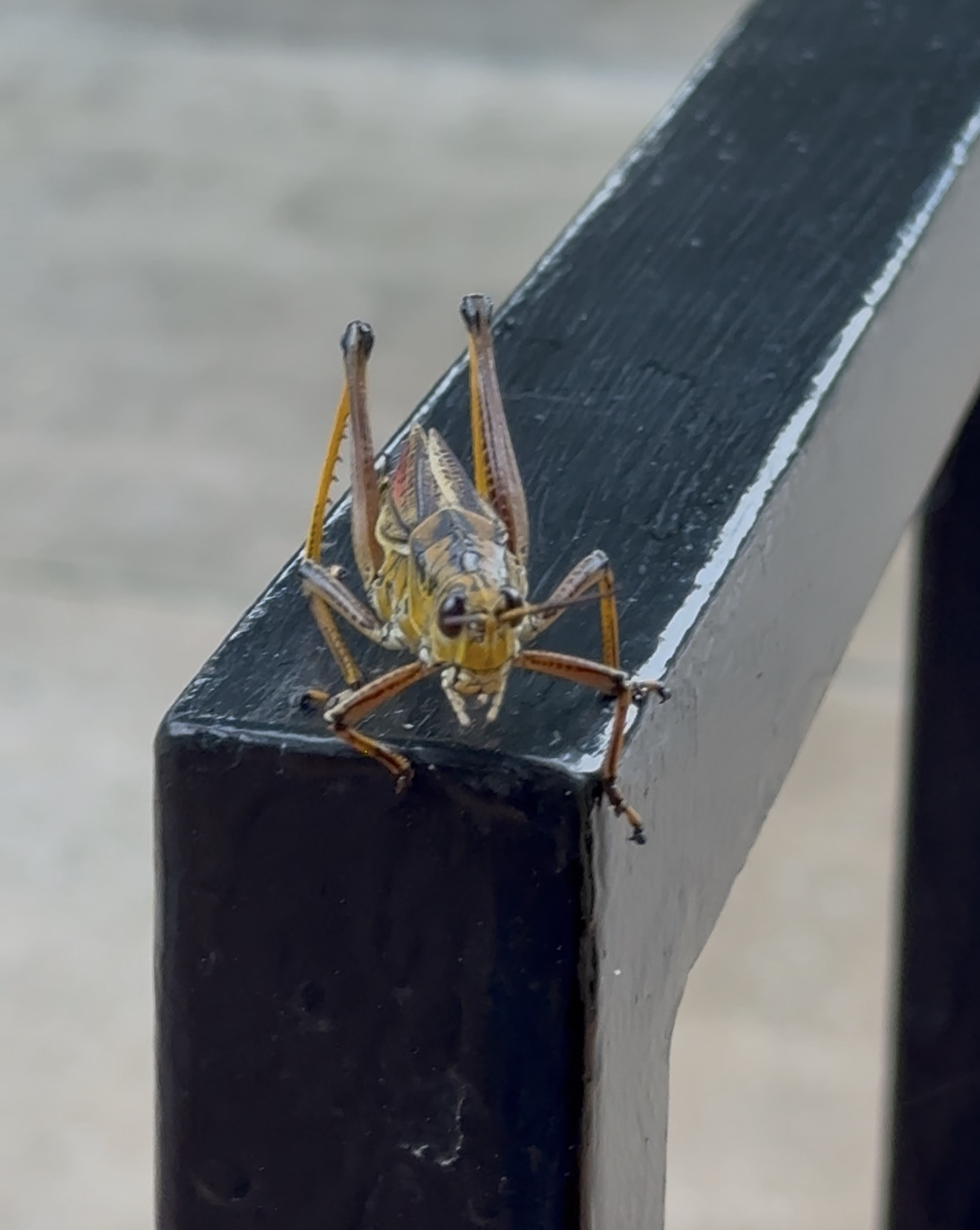
You also may have seen grasshoppers on campus. According to the Florida Department of Agriculture and Consumer Services (FDACS), the adults of the eastern lubber species of grasshopper are most noticeable in late summer. They eat many types of plants and can be a threat to ornamentals, citrus groves, and row crops if they overpopulate the area.
Additionally, some small white herons occasionally roam on campus. These birds are called great egrets. According to National Park Service (NPS), they can grow as tall as four feet with a wingspan of 50 inches! They fish by creeping in the water, then snapping their prey up.
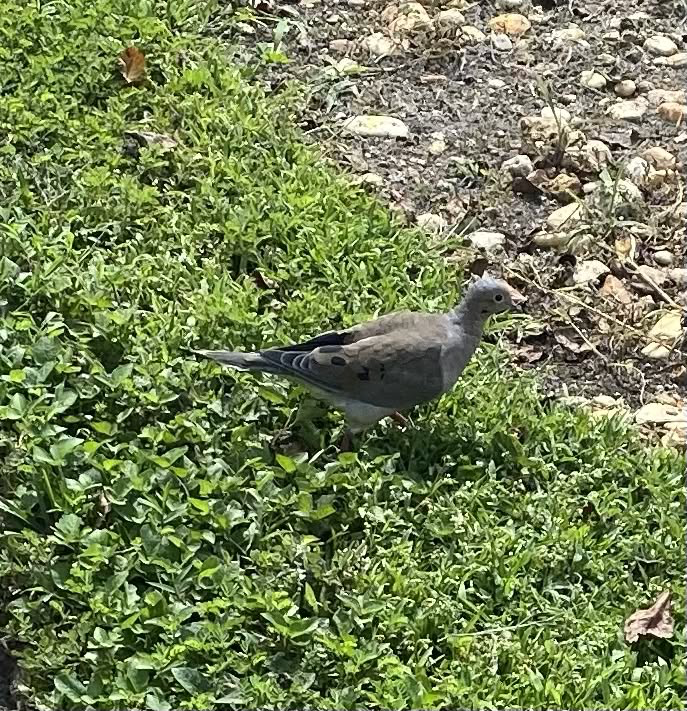
Another bird sometimes found on campus is the mourning dove. These birds make beautiful calls, and some describe these calls as reminding them of the early mornings of their childhoods.
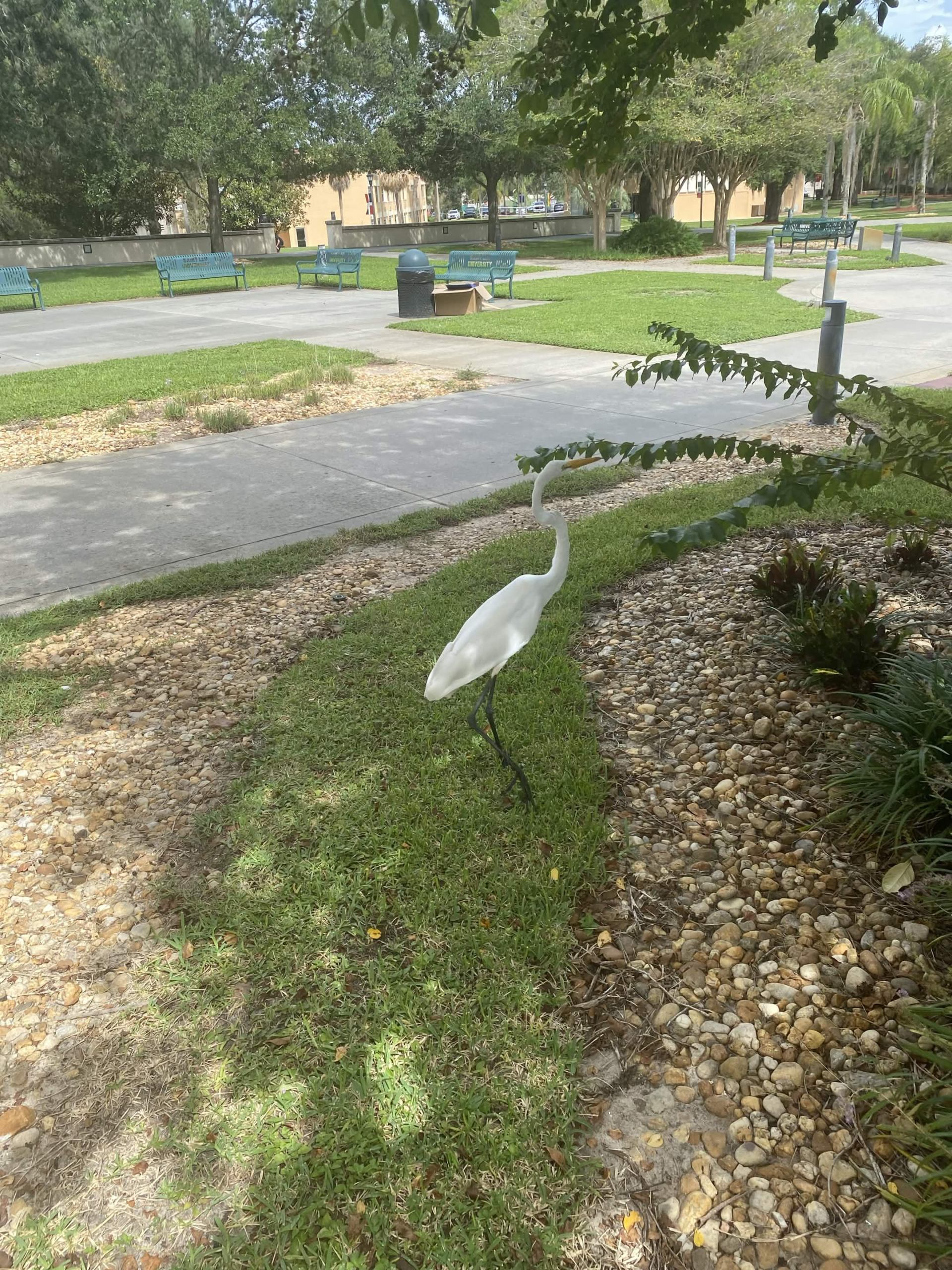
These animals enhance campus life, and it is lovely to admire Saint Leo’s unofficial mascots as we go about our days.
“The wildlife on campus enhances my experience at Saint Leo because taking pictures and watching wildlife and nature is something that I enjoy,” stated Tagarao.
It seems that the wildlife on campus plays a part in our community. As Lions, we can exercise the core value of respect when crossing paths with these animals as we appreciate their presence on campus.