


By Sanjea Taylor, World News Editor
In January, many Microsoft users were hit by a major outage that blocked access to the platform, and although it was fixed, another outage occurred just weeks later that disrupted Microsoft Teams. Now, many users are confused as to why these outages are happening and what Microsoft is doing to prevent this from happening in the future.
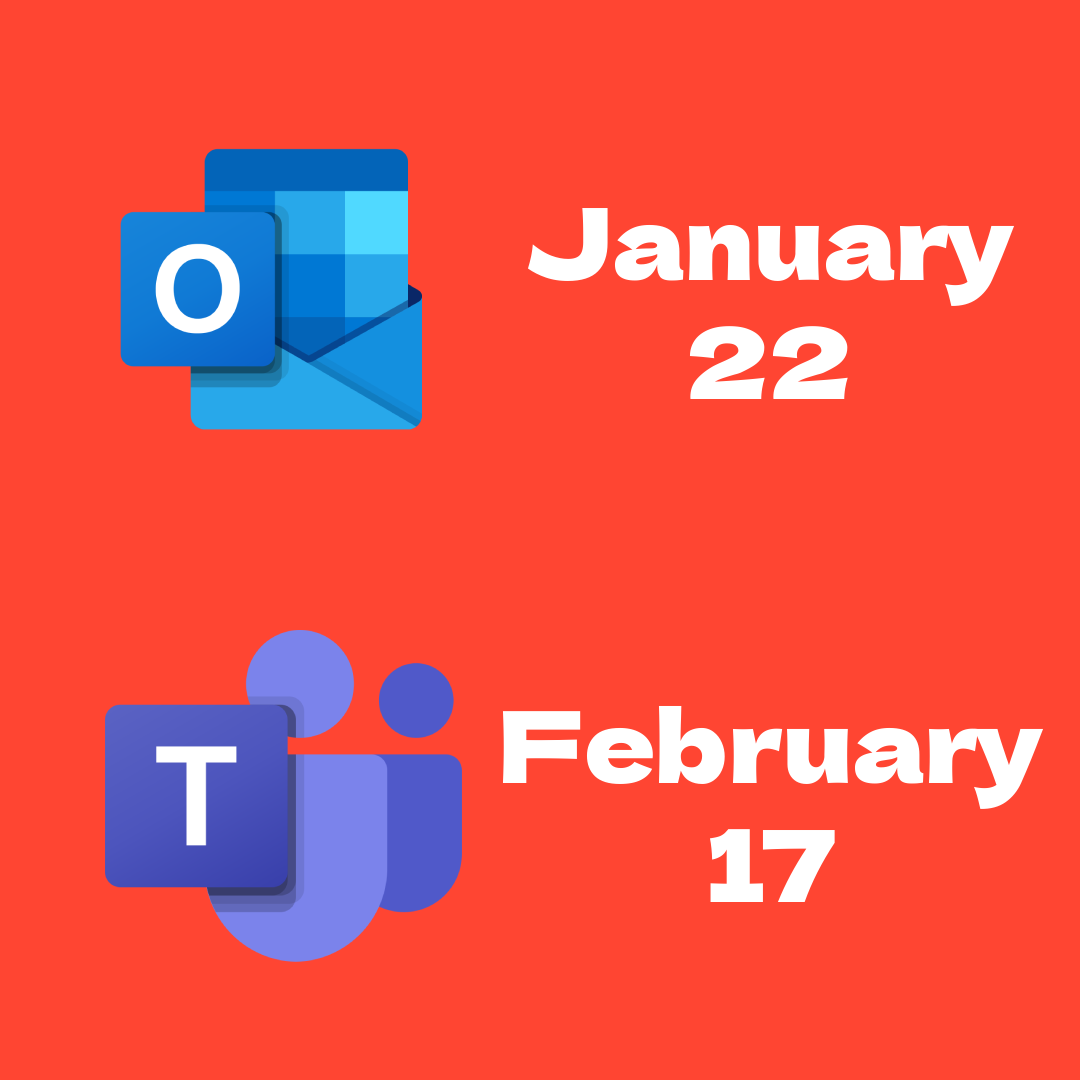
On Jan. 22, the first Microsoft outage occurred affecting Microsoft 365, which is a subscription-based cloud productivity suite that brings together desktop and web applications such as Word, Excel, PowerPoint, and Outlook, along with cloud-powered services like Microsoft Teams.
This outage caused thousands of users in North America to experience problems accessing email and administrative tools. According to CNET, Downdetector (a site-monitoring service) reported nearly 350,000 outage complaints within 24 hours, making it one of Microsoft’s biggest productivity disruptions in recent months.
Despite this, the issue was resolved with Microsoft confirming this on Jan. 23.

Dr. Okey Igbonagwam, an associate professor for computer science at Saint Leo University, shared his thoughts on the Microsoft 365 outage and how outages like this may affect users.
“The major issue [with the Microsoft 365 outage]is as a result of lack of capacity planning,” said Igbonagwam. “Microsoft 365 is a robust and encompass all the applications inside it and if you don’t anticipate the number of demands, then you are bound to run into such bottleneck.”
Igbonagwam explained that Microsoft was attempting a temporary system upgrade when technical issues occurred, which led to outages and reduced traffic.
The second outage occurred on Feb. 17, four weeks after the first outage. With this outage users in the U.S. and Europe experienced problems using Microsoft Teams. According to Bleeping Computer, this outage resulted in users having trouble joining meetings, were unable to sign in, and even faced delays.
Unlike the first outage, the Microsoft Teams’ outage was short-lived, lasting only an hour, despite affecting many users. According to reports from The National CIO review, Microsoft described the issue as a service degradation, which means the system was still online but was running very poorly, causing noticeable slowdowns and disruptions for users.
During this outage, many users reported it to Downdetector and there was later an investigation done by Microsoft on this issue. Microsoft later revealed that a portion of the infrastructure that handles caching, the temporary data storage system that helps the app run faster, fell below normal performance standards.
Microsoft further stated that its engineering team responded by rolling back a recent configuration update and restoring the system to a previously stable version. After implementing this change, the company confirmed that the problem had been successfully resolved.
With outages happening only weeks apart, many are starting to wonder if outages are becoming more common.
“I will not say it’s becoming more common compared to in the past. Now even when the outage happens, it is easier and quicker to resolve because there is a lot more automation that happens compared to the past,” stated Igbonagwam.
Despite this, many organizations rely heavily on Microsoft 365 and other cloud tools. Outageslike this raise concerns about how prepared companies should be. It brings up many concerns as companies wonder if depending on cloud services is the right way to go.
“That is why you have a contingency plan; every contingency has a cost. So, as a company, you must know what your contingency plan will cost you. And then, you make a plan for that,” saidIgbonagwam.
“But in my opinion, they should not be afraid of Microsoft because it’s a company that has been tested,” said Igbonagwam.
While individual businesses need strong contingency plans to handle disruptions, the responsibility doesn’t stop there. The outage also shifts attention to what Microsoft itself can to prevent future outages like these two outages that occurred.
“Planning is very important, you get a problem, you analyze it, you plan [for it and the future], And part of your planning is you analyze the problem,” said Igbonagwam.
In Igbonagwam’s view, planning isn’t just for big companies like Microsoft but it’s something students should practice, too.



“There’s a process, so follow the process. Many of these processes, they’ve been tested over and over again, and they work. So, don’t try to reinvent them. Now, if you find a better way of improving that process, go ahead,” stated Igbonagwam.
Since the outages occurred, Microsoft has worked to restore services and address the underlying issues. With stronger planning, careful analysis, and continued investment in infrastructure, the company aims to reduce the risk of similar problems in the future.
At the same time, these incidents serve as a reminder that businesses and users should also prepare for different unexpected outages that may happen. By learning from these events, both companies like Microsoft and users can build stronger and more stable systems moving forward.