

By Alina Rezepova, Staff Writer
With Halloween just a few weeks away, many are already thinking of what fun faces they can carve on their pumpkin this year. But did you know that the first Halloween carvings were not cute at all and were cut out of a turnip?
In the past, people mutilated turnips, making them terrifying to scare away spirits. According to history.com, in the early 17th-18th centuries, there was a popular legend of a figure known as Stingy Jack that originated in ancient Ireland.
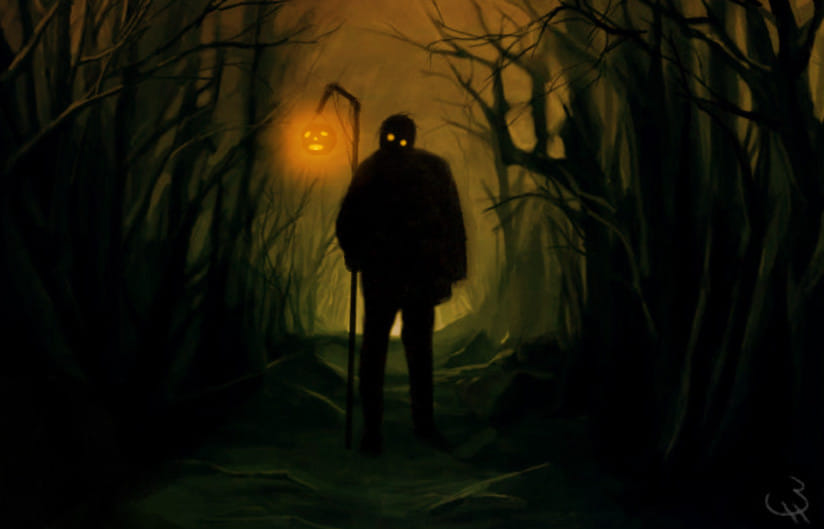
Jack got this nickname because of his reputation for constant deception and failure to pay bills. One day, the devil came to Jack, but Stingy Jack tricked the devil into not taking his soul to hell after death.
Years later, after Jack died, he was denied entry into heaven because of his sinful lifestyle andwas not allowed into hell because the devil remembered his promise. All the devil did was throw Jack a burning ember.
In order not to burn his hands, Stingy Jack cut a hole in the turnip and placed an ember inside, making a lantern that lit his way. According to the legend, Jack continues to wander the world with a turnip lantern in his hands to this day.
“It is fun to study how events evolve and change shape over time. Stingy Jack is one of the evil spirits that people would hope to protect themselves from, and scare away, by carving menacing faces into vegetables like turnips and pumpkins and lighting them with a candle, which is largely symbolic,” said Dr. Elisabeth Aiken, an Associate Director of Honors and Assistant Professor of English.
Also, History.com noted that in ancient Ireland, superstitious people began carving scary faces on turnips to ward off evil spirits and Stingy Jack. There was a festival called Samhain, which is celebrated on Oct. 31. It was believed that on this day and throughout Nov. 1, the boundary between the living and the afterlife was blurred, and evil spirits began to roam among the living.
“Samhain was traditionally a Celtic festival to mark the end of the harvest season in late fall. During Samhain, because the distance between the living and the dead is at its thinnest, people would light bonfires and dress in costume to confuse any stray spirit who was wandering through,” said Aiken.
In the 19th century, Irish immigrants brought with them the tradition of carving scary turnips for Halloween. In America, they soon discovered the pumpkin, a vegetable much larger and easier to carve. Its size and hollow shape quickly made it the new symbol of the holiday.
While living next to Americans, the Irish continued to celebrate Samhain; however, during their celebrations, curious children started to imitate the Irish and their “strange” traditions during this holiday. For the children, it was more fun than the belief that “evil pumpkins” scare away spirits, especially Stingy Jack.
Based on National Geographic, by the end of the 19th century, newspapers began to appear that mentioned the “irresistible Irish pumpkin lanterns,” and this was associated with elements of folk traditions. This caused a strong reaction among the Americans, and they began to transform this tradition into a more cheerful holiday.
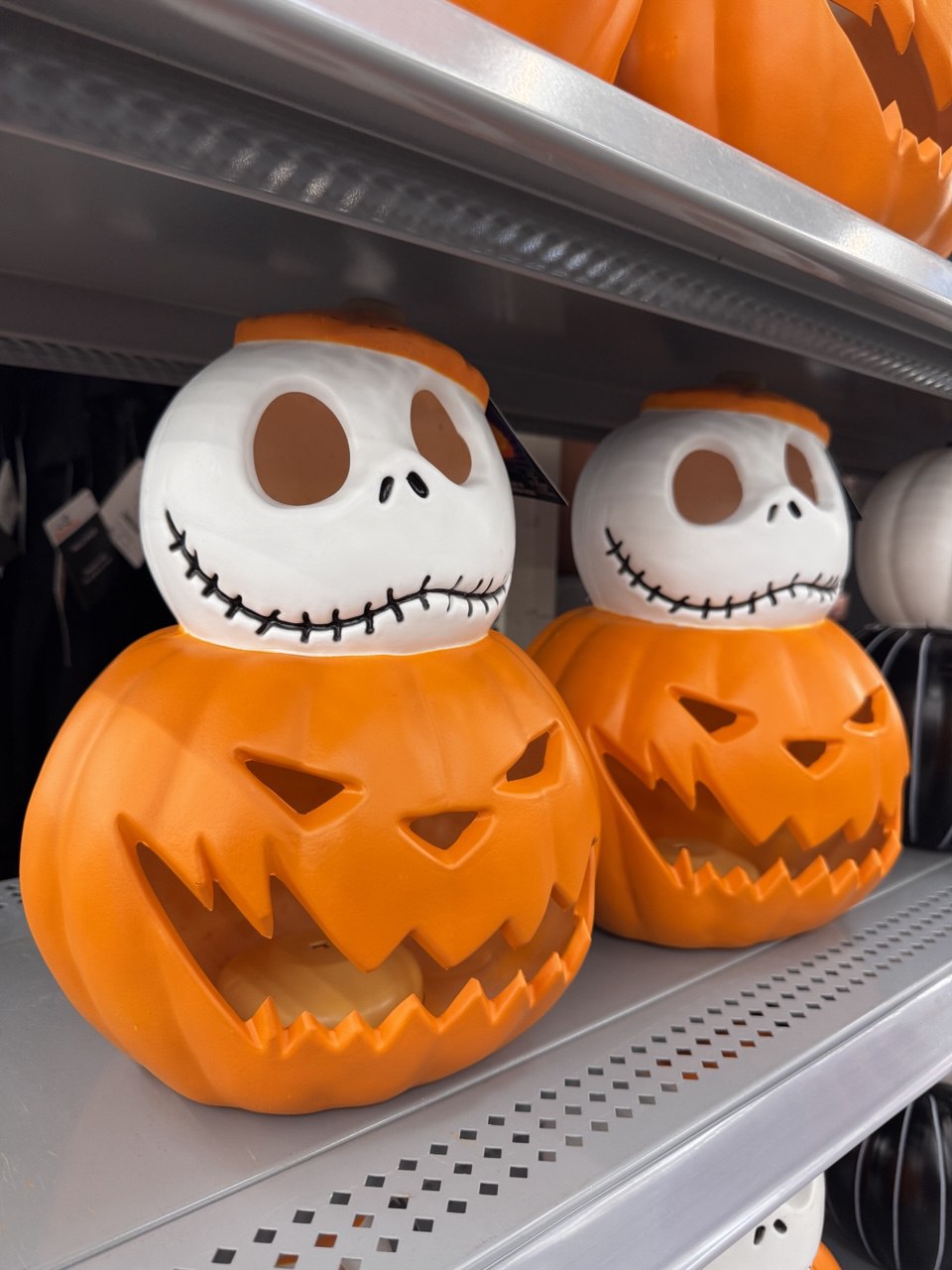
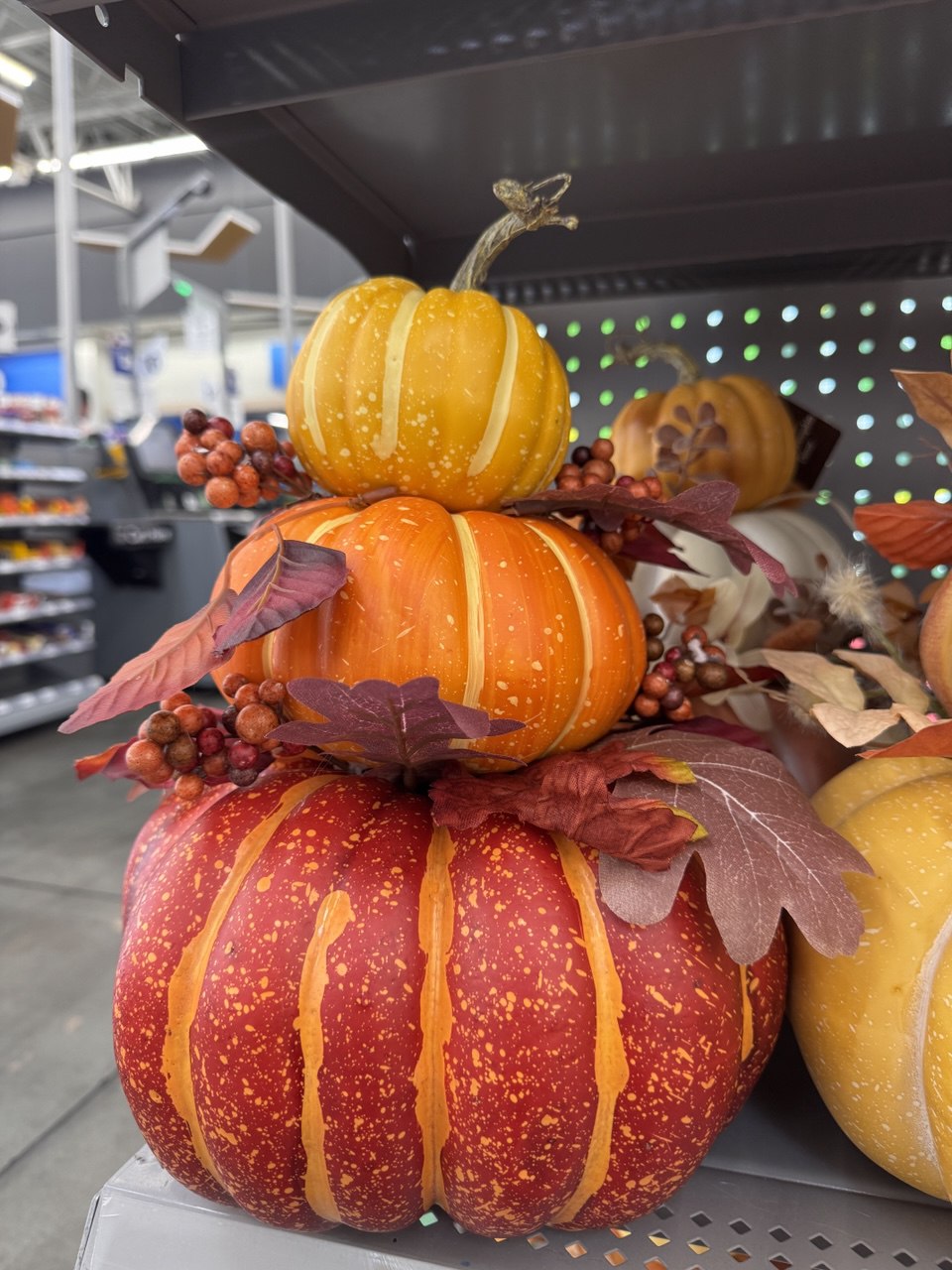
American schools and churches began hosting Halloween parties, adopting traditions from the Irish but making their holiday more fun and family friendly. And thus, at the beginning of the 20th century, the holiday began to become widespread, which led to the fact that ready-made pumpkin lanterns and costumes began to be sold in stores.
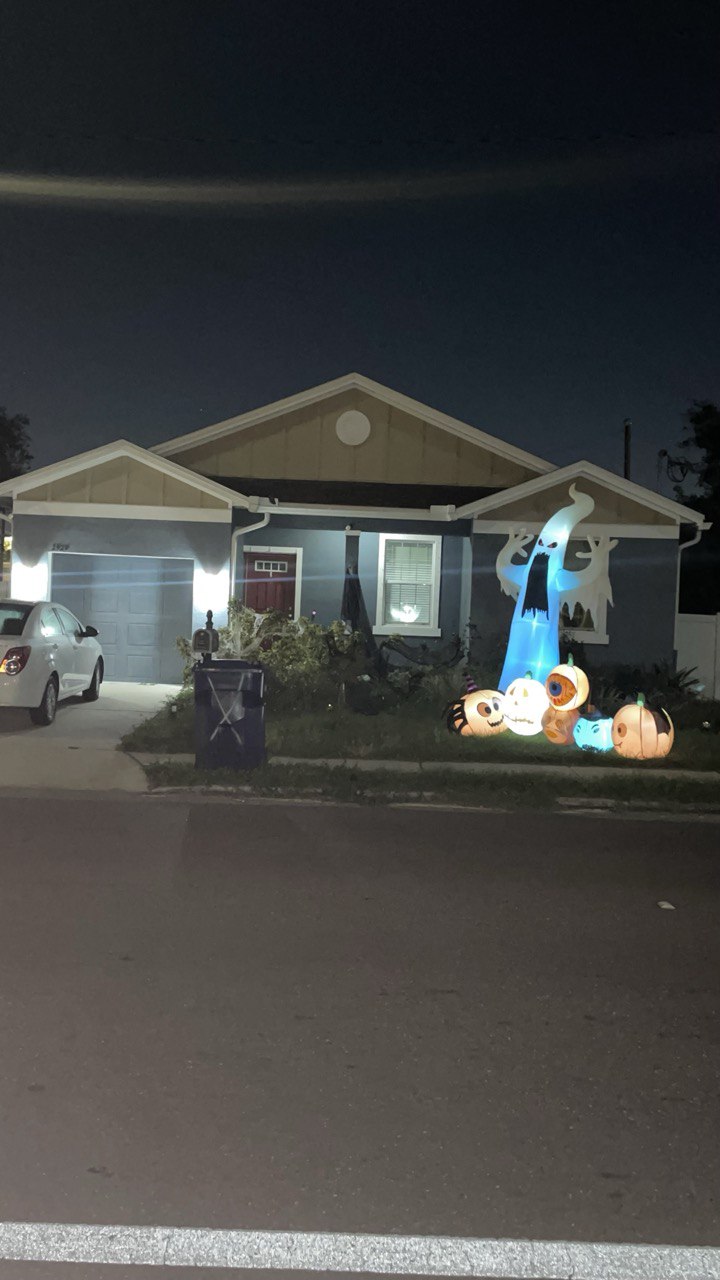
Today, Halloween is one of the most popular holidays, especially in America. Pumpkins, costumes, masks, and parties have become an autumn tradition that is so eagerly awaited, especially by children.
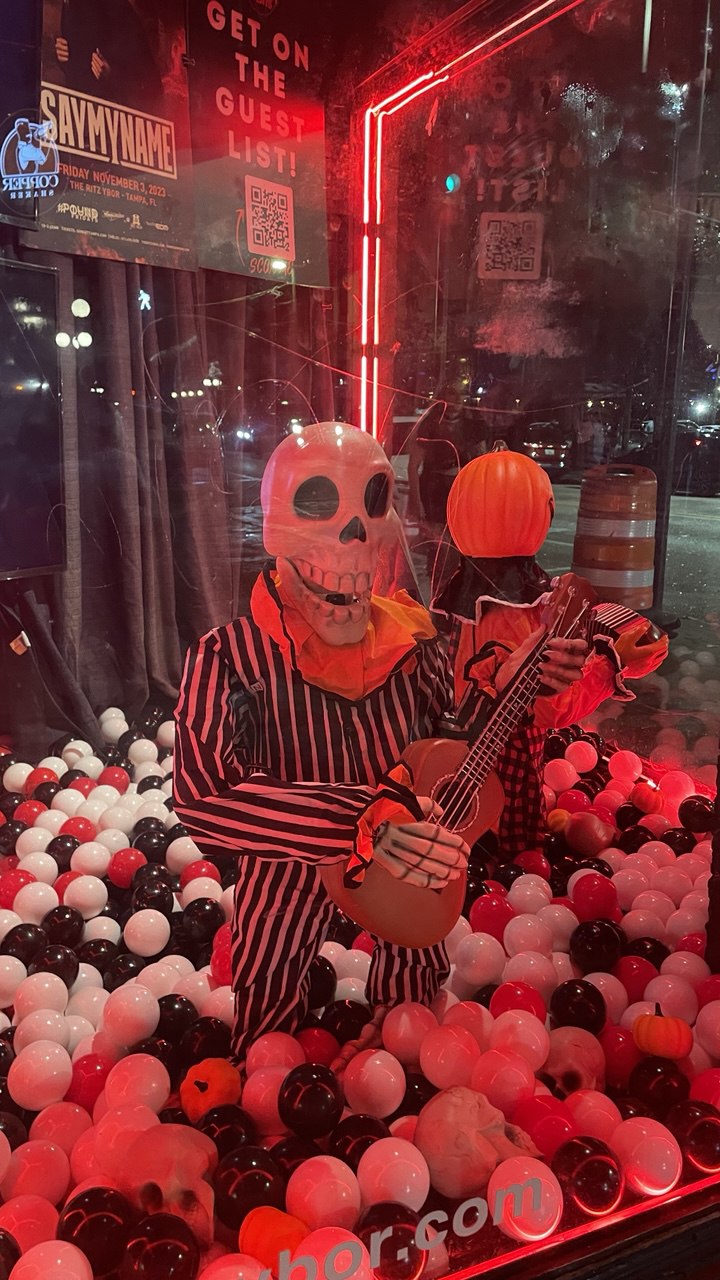

“In elementary school, I really enjoyed celebrating Halloween. Although I do not celebrate it much anymore, it still reminds me of my childhood,” said Jacob Wright, a sophomore majoring in marketing.
Over the centuries, the frightening Irish tradition has turned into a fun holiday known as Halloween. As early as September, people start preparing for Halloween, buying decorations, costumes, sweets, and carving pumpkins into faces that can be scary, funny, or even friendly.
“I have been celebrating Halloween since I was a kid, dressing up and going out with my friends to get treats. It is a lot of fun,” said Brianna Ortega, a sophomore majoring in sports business.
Who would have known that because of their fear of Stingy Jack, the Irish people would carve scary faces on turnips, which would later turn into a world-famous holiday like Halloween?