

By Alina Rezepova, Staff Writer
Films can shape people’s understanding of racial justice and help them understand complex stories. During Black History Month, it is especially important to highlight stories that encourage honest conversations about racial inequality. Some historical events force that conversation directly. Have you ever wondered what happens when an entire town disappears, not because of a natural disaster, but because of hatred?
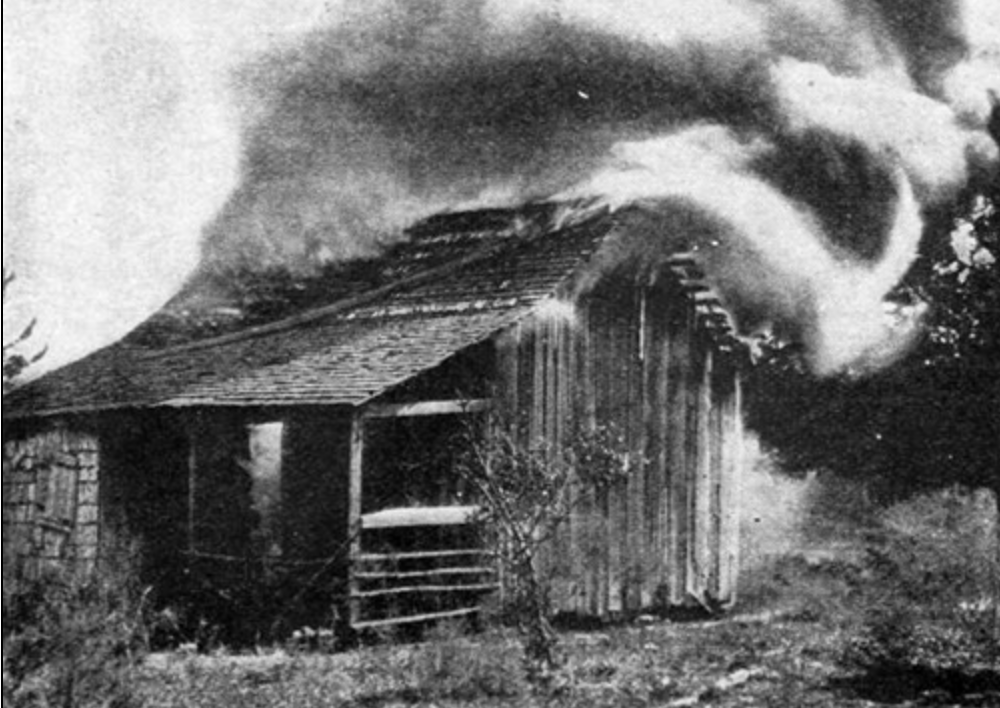
The film “Rosewood” (1997), directed by John Singleton, is based on real, tragic events that took place in Florida in 1923. The plot tells how the unproven accusation of a black man assaulting a white woman led to the destruction of the city of Rosewood. This film has a special meaning for the people of Florida, as it raises the local history.
According to Encyclopedia Britannica, the film is based on a massacre in which white people destroyed an African American community. These events became an example of how racial violence was supported by the inaction or complicity of government officials.
“It is the first film I ever watched that depicted racial violence, and it was life-changing for me. My parents used the film to introduce me to this difficult topic as a middle schooler,” said Professor Marissa Rhodes, Assistant Professor of History at Saint Leo University.
For viewers, the plot becomes significant for understanding the nature of racial violence and its consequences. “Rosewood” forms a civic consciousness and allows people to experience the historical reality of racial injustice.
The film not only reproduces tragic events but also shows how fear, rumors, and ingrained racism can lead to collective violence. Through artistic images, the viewer sees the mechanisms that make such tragedies possible. In Dr. Rhodes’s view, it is precisely this analysis of the underlying causes that makes the film especially significant today.
The film prompts viewers to consider the mechanisms of collective fear and misinformation that can escalate into mass aggression. It shows how fragile a social order can be when based on prejudice.
“The story explores how white supremacist violence could destroy thriving Black communities with impunity, enabled by complicit law enforcement and mob mentality,” added Dr. Rhodes.
The film pays special attention to the economic factor. In the past, the prosperity and development of the black community were perceived as a threat to the existing order. This caused tension and increased hostility on the part of those who sought to maintain social and racial superiority.
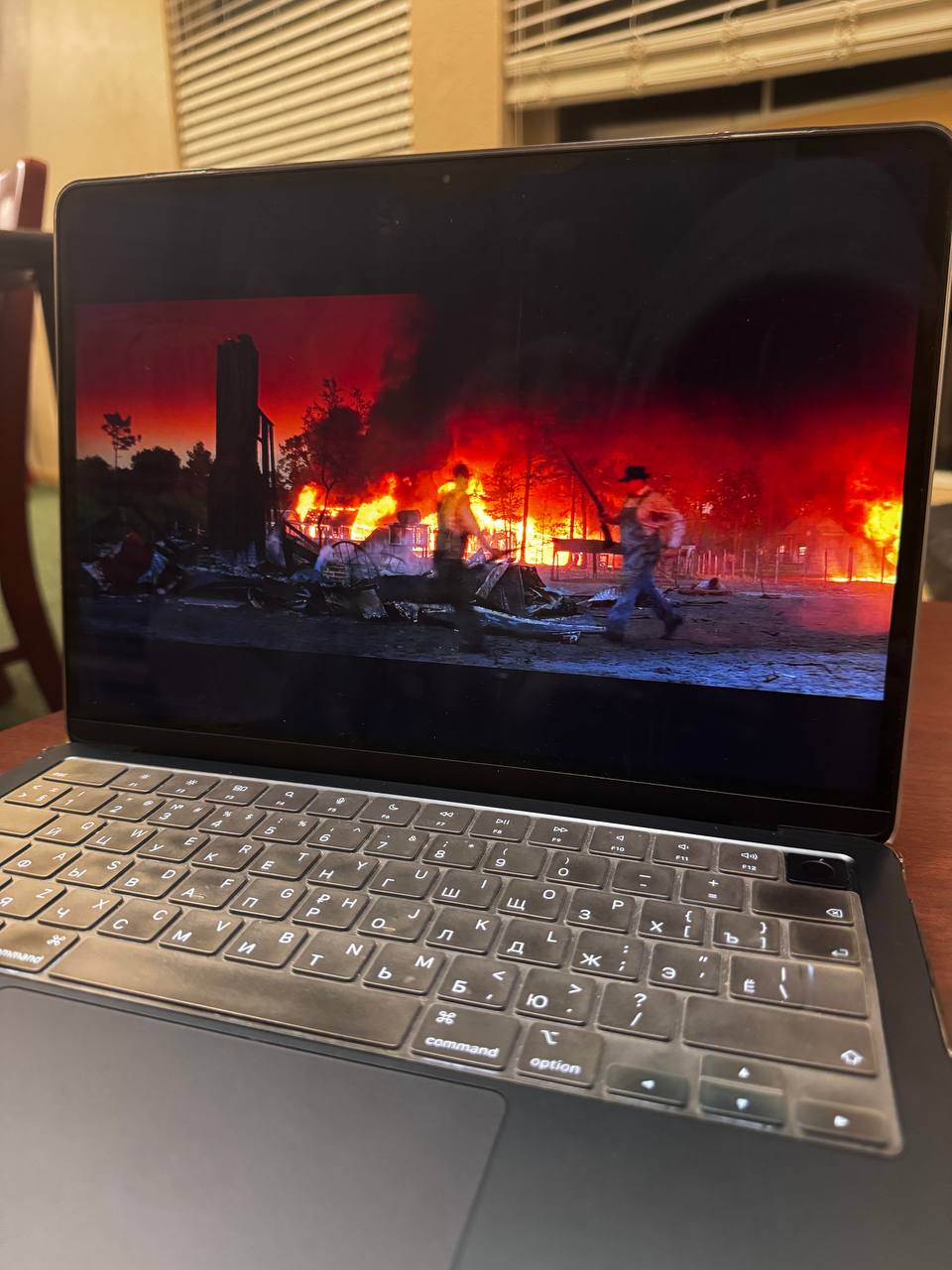
“It examines the economic resentment fueled by Black prosperity, the vulnerability of African Americans without legal protection, and the erasure of racial atrocities from collective memory,” said Dr. Rhodes.
The study of such stories is currently of fundamental importance. Understanding how certain groups of society were treated unfairly in the past helps to understand that racial inequality is not a natural phenomenon; instead, it was formed as a result of specific historical decisions and policies.
“Studying history reveals how systemic racism was constructed through laws, institutions, and violence over centuries. By understanding these patterns—from slavery to segregation to mass incarceration—we recognize that racial inequality isn’t natural but manufactured, empowering informed advocacy for meaningful, lasting change,” said Dr. Rhodes.
The story of Rosewood is not only the tragedy of 1923, but also a reminder of how the effects of racial hatred affect generations. The film connects the past with modern discussions about racial justice and equality. That is why watching it during Black History Month becomes a relevant and meaningful public dialogue.