
By Togzhan Baikenova, Staff Writer
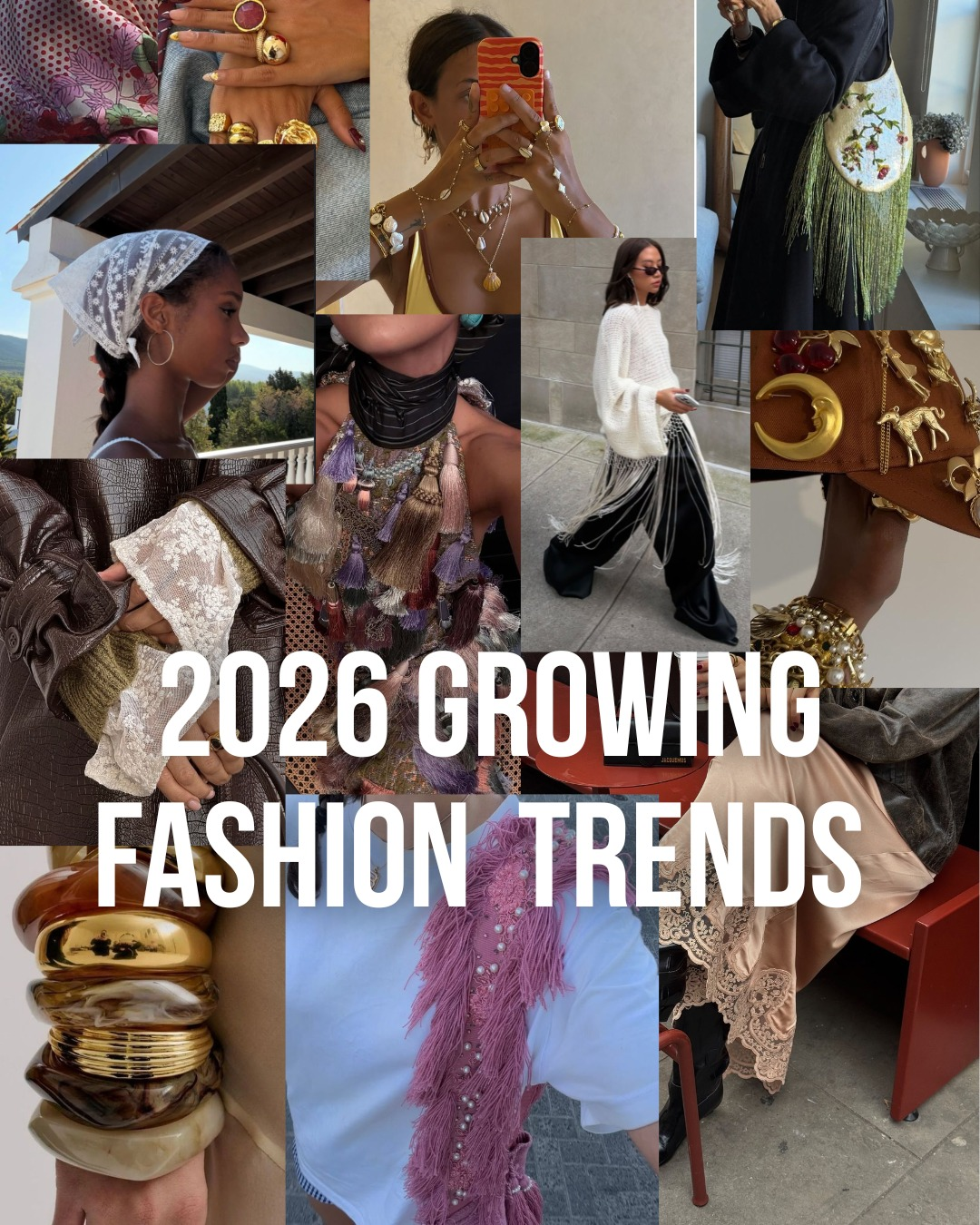
With just a couple of months left in 2026, the fashion season can already be summed up by the many styles and outfit choices that defined it.
In recent years, trends usually followed a single aesthetic, but 2026 was an exception, with several directions setting the tone at once, from a full-blown 2016 revival to Y2K maximalism and Eastern-inspired motifs.
2026 fashion transitioned a minimalistic style into contrasting colors and vibrant details. The season’s most recognizable trend was the atmosphere of 2016 in clothing, music, and social media visual culture.
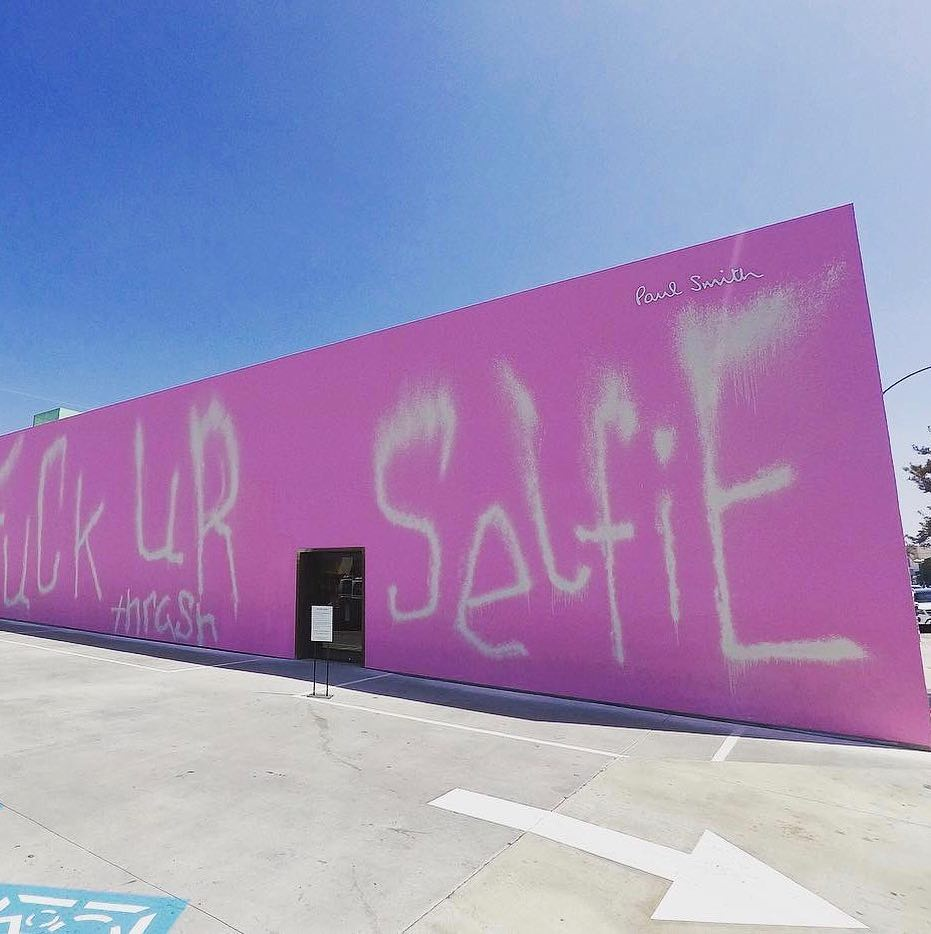
Chokers, bomber jackets, ankle boots, ballet flats, and lace gradually made their way back into wardrobes. But it wasn’t just the clothes that had returned. There was a longing for the whole vibe of that era: pink filters on photos, the music of the time, and aesthetics like the pink wall in Los Angeles, a bubblegum-colored wall on Melrose Avenue that became not only one of the most photographed backdrops on the platform, but a go-to spot for outfit posts and a symbol of 2016’s Instagram aesthetic as well.
The result was a reimagining of 2016 through the lens of 2026.
The idea that fashion is cyclical isn’t new: stylists have long talked about the “ten-year rule”, the period after which a forgotten aesthetic becomes desirable again.
Experts note that the nostalgia cycle has gotten shorter as digital culture speeds up how quickly we rediscover past aesthetics. In an article published by pop culture publication Weverse Magazine, stylist Marina Ingvarsson explained it this way: we’ve hit that nostalgia “sweet spot,” where 2016 is distant enough to feel interesting again, but close enough to trigger genuine emotional memories.
The phenomenon extends far beyond clothing. According to data reported by Weverse Magazine, TikTok searches for “2016” rose by 452 percent in the first week of 2026, and the hashtag #2016 has appeared in over 37 million Instagram posts.
The moment found its symbol in Zara Larsson: her 2015 song “Lush Life” became the third most popular track on playlists tagged #2016, and a viral dance to the song brought the track back to the top of the charts in Germany, Austria, Czechia, and Norway for the first time in a decade.
In addition to 2016 nostalgia, 2026 also embraced Chinoiserie, a reinterpretation of Eastern designs driven by the increasing influence of Chinese designers and brands. In fashion, this manifested via Chinese collars, qipao-like shapes, ornamental closures, dragons and various Eastern motifs made of silk, brocade, and lace combined with contemporary, casual attire.
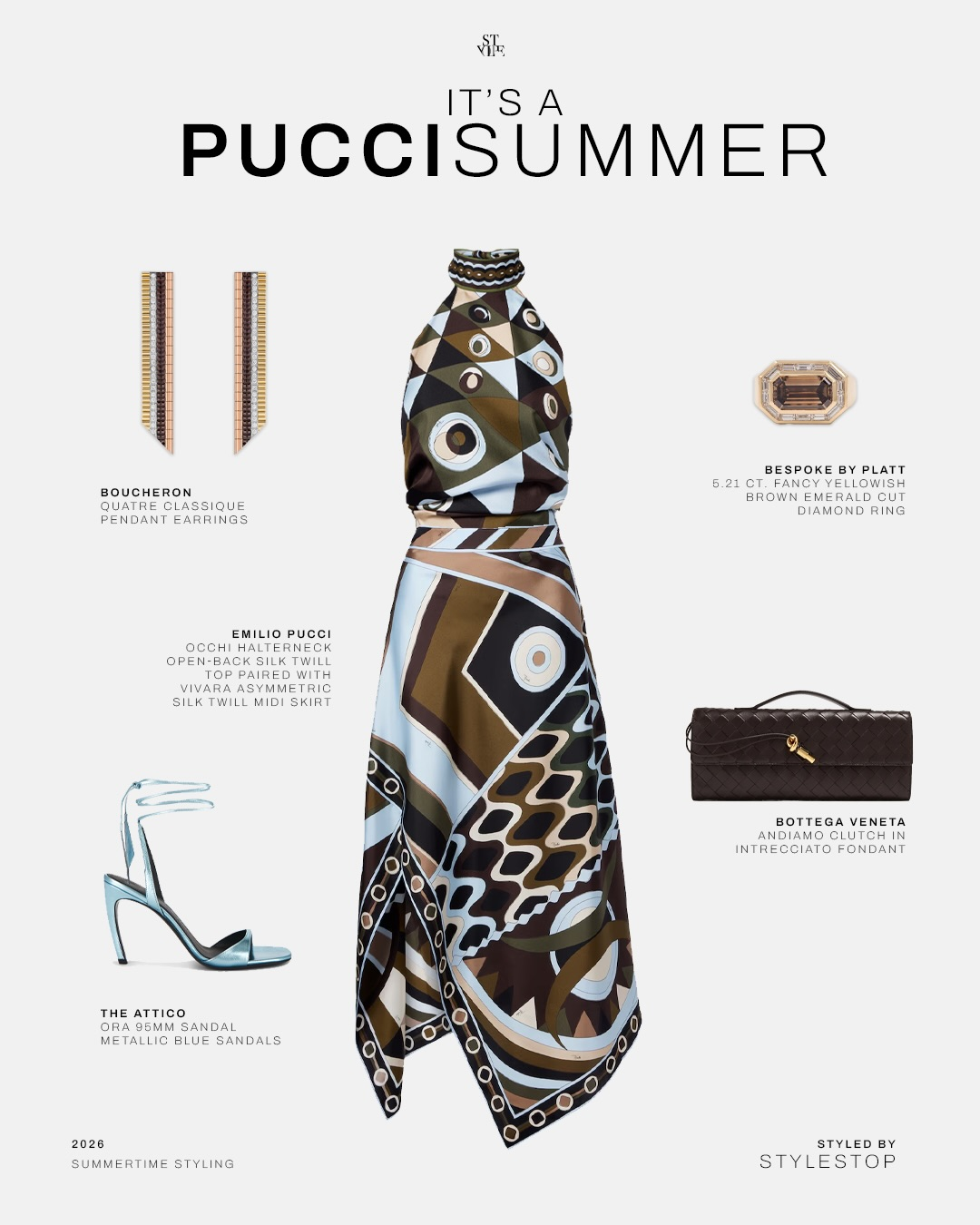
Another standout print of the season was polka dots, which returned to the runways of Carolina Herrera, Valentino, Miu Miu, and Khaite, though in a more restrained form through sheer fabrics, sculptural silhouettes, and in an expanded palette ranging from chocolate brown to warm neutrals.
At the same time, 2000s maximalism made a comeback through the “bedazzling” trend: rhinestones and crystals on clothing, accessories, phone cases, and even nails.
And once again, Zara Larsson comes up: her makeup artist and stylist are credited with the “whimsymaxxing” phenomenon, in which the singer performs covered in crystals and 3D gems, laying the groundwork for the trend as a reaction against the “clean girl” aesthetic of recent years.
According to Pinterest Predicts, 2026 officially closes the era of the clean girl and quiet luxury, giving way to a maximalist style dubbed “Glamoratti.”
Karina Kadyrova, a junior majoring in finance, said, “I definitely noticed a lot of old trends coming back this year: polka dots, 2016 vibes, low-rise yoga pants, loose one-shoulder T-shirts, and Chloé bags from their 2000s collections.”
She explained her perspective on fashion’s cyclical nature.
“Brands successfully sell items that evoke nostalgia, so that creates pleasant memories,” Kadyrova said.
2026 marked a stark contrast, beginning with the of a return to a broad color palette and vibrant details, following a long wave of minimalism’s popularity.
All in all, 2026 proved how fast fashion’s cycle has become. What felt outdated just a few years ago is now defining how a new generation dresses, listens to music, and shows up online, and if the ten-year rule holds, it won’t be long before we’re doing this all over again.