

By Faith Skierkowski, Copyeditor
Florida is a diverse state, home to many populations of unique animals that fly, swim, and glide through our ecosystems. Like humans in the winter, many animals flock to Florida to escape the cooler temperatures; a few of these include manatees, sandhill cranes, striped bass, and milkweed bugs.
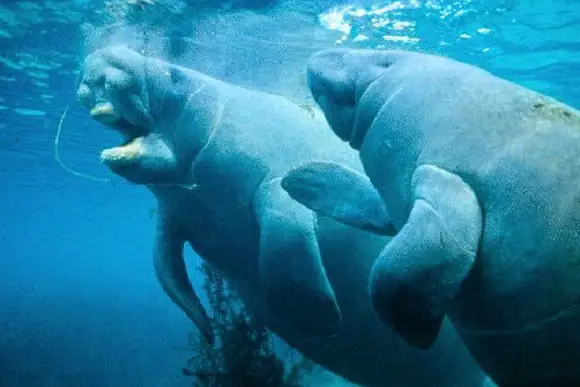
Manatees are slow, peaceful mammals that migrate to the warmer waters of rivers, springs, and even powerplant outflows as temperatures begin to drop below 72 degrees Fahrenheit.
All around the waters of Florida, you will find designated manatee zones that call for no-wake and reduced boat speeds to protect these majestic creatures. According to WFTV 9, on Jan. 19, at Blue Spring State Park, rangers counted over 700 manatees taking refuge from the cold waters of the St. Johns River.
The best times to observe this mingling mayhem of manatees are mid-November through March, with peak numbers in January and February. It is important to remember not to harm or bother these majestic mammals.
Manatees are federally protected under the Endangered Species Act (ESA) and the Marine Mammal Protection Act (MMPA). According to the Marine Mammal Commission, the MMPA was the first legislation to mandate an ecosystem-based approach to marine resource management.
Another migratory species that makes Florida its home during cold weather is the sandhill crane.Florida is home to two subspecies of sandhill cranes: the non-migratory Florida sandhill crane and the larger, migratory greater sandhill crane.
The greater sandhill crane chooses Florida as a winter snowbird, but nests across North America and breeds in northern regions during summer. Our year-round resident Florida sandhill cranes can be found in freshwater wetlands, prairies, and even your local golf courses.
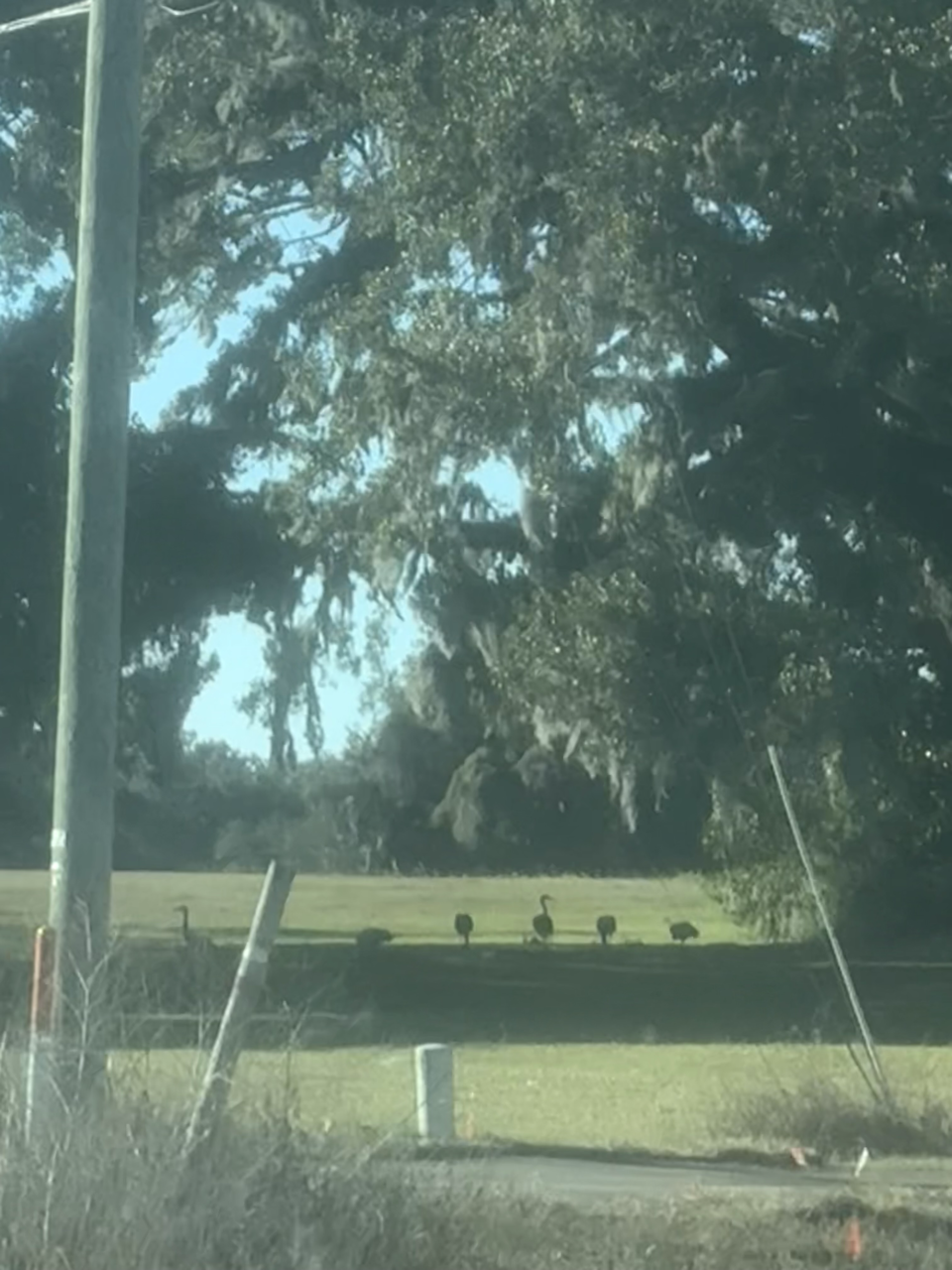
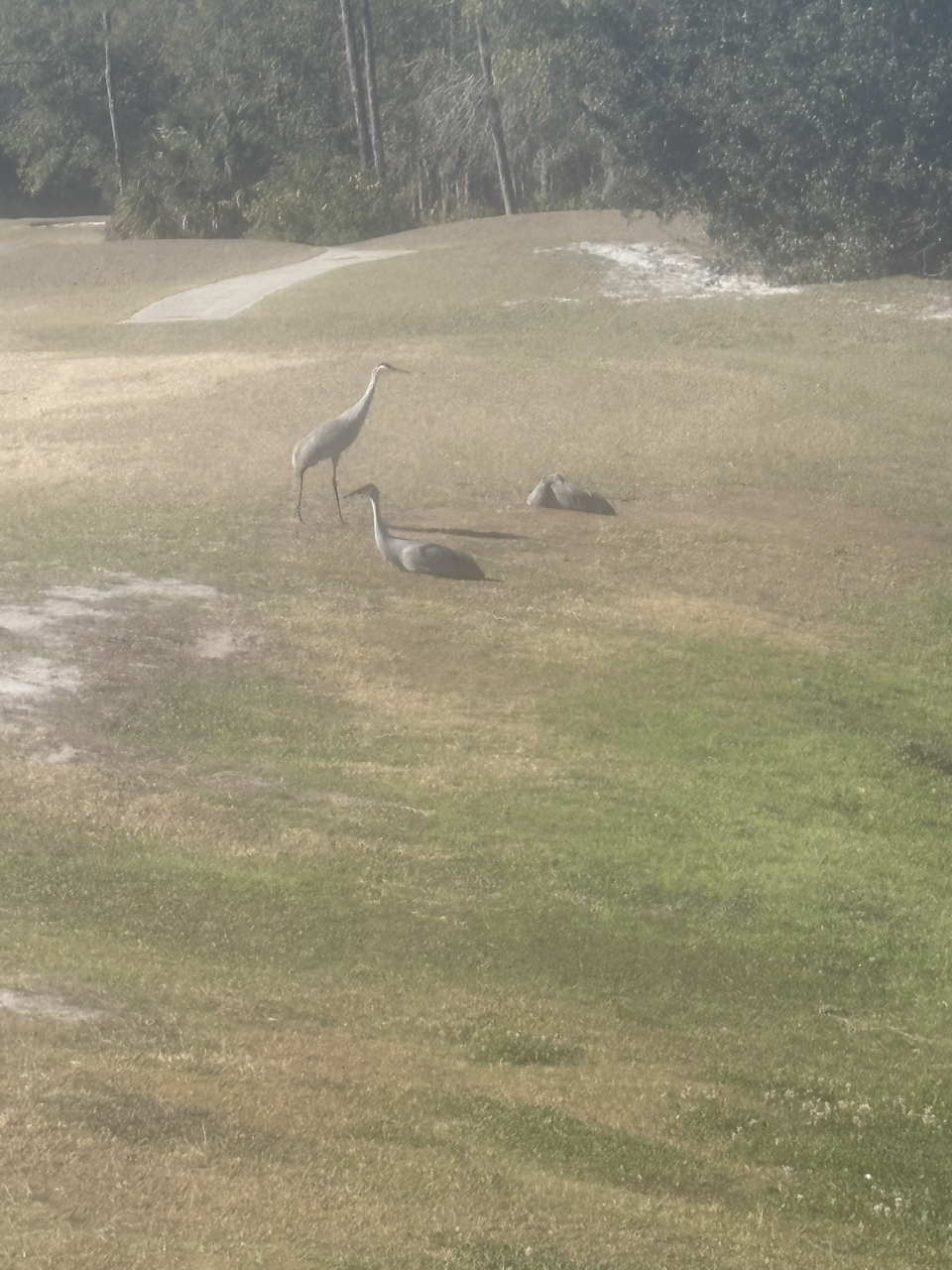
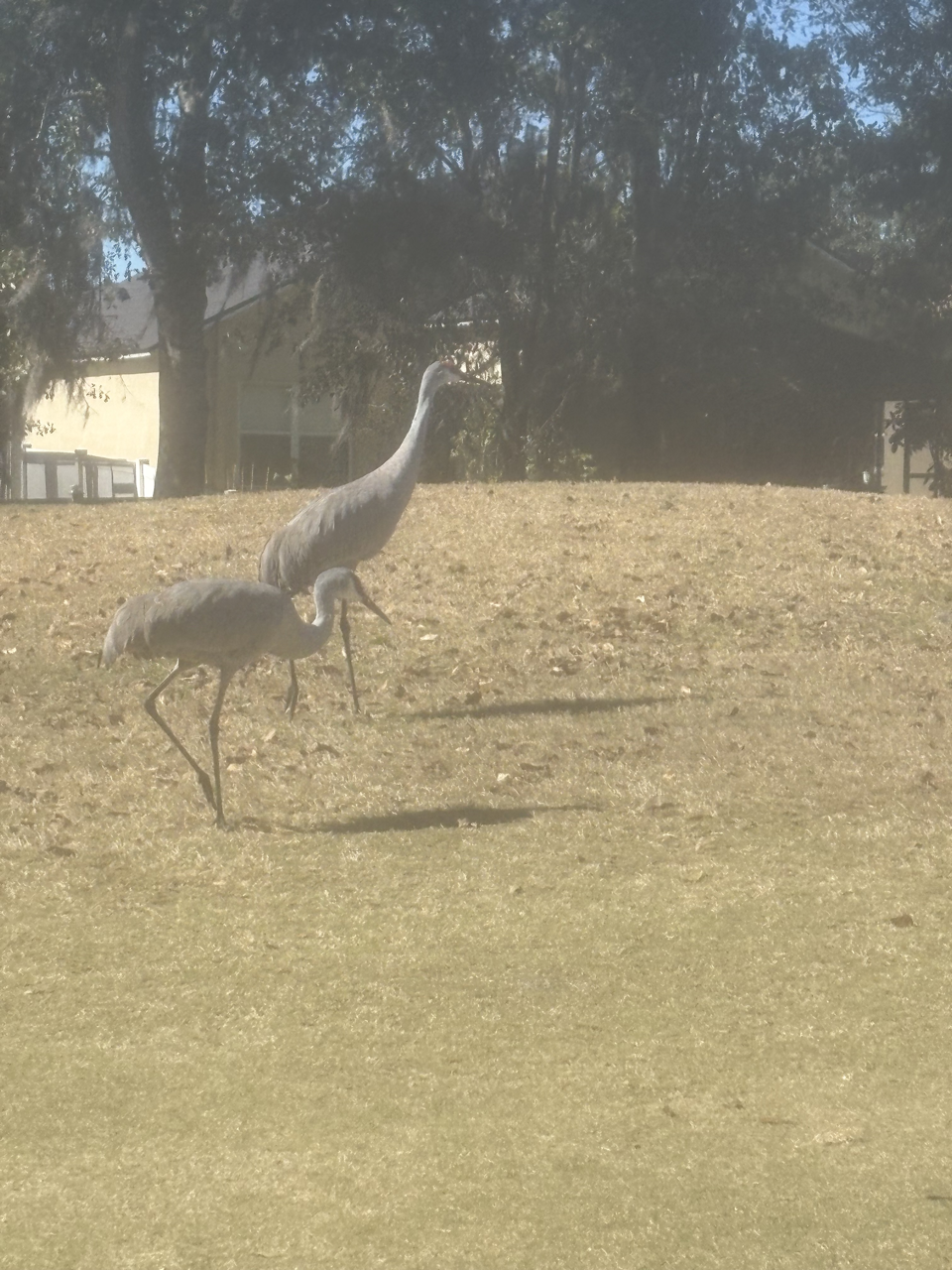
“Although they’re no longer extinct, I can’t help but feel protective over sandhill cranes. I was born and raised in Florida, so seeing them cross the street or pecking at someone’s front lawn is not a foreign phenomenon to me,” said Brenna Schauer, a Saint Leo University alumna.
“My favorite thing about sandhill cranes is the fact that they mate for life. It’s both so incredibly touching and horribly gut-wrenching—especially when you realize that if one dies, the other is often left to mourn alone,” continued Schauer.
Just like our manatees, they are a state-threatened species, making it against the law to harass or kill them. It’s important to remember, never feed the cranes as it can disrupt their natural diet or create a co-dependency on food.
“Cranes are attracted by open settings (mowed grass) and the availability of foods such as acorns, earthworms, mole crickets, and turf grubs,” according to the Florida Fish and Wildlife Conservation Commission (FWC).
Here is a little advice: If there are cranes in your vicinity, try to remove the number of reflective objects around, because they have been known to cause damage and ruckus when they observetheir own reflections.
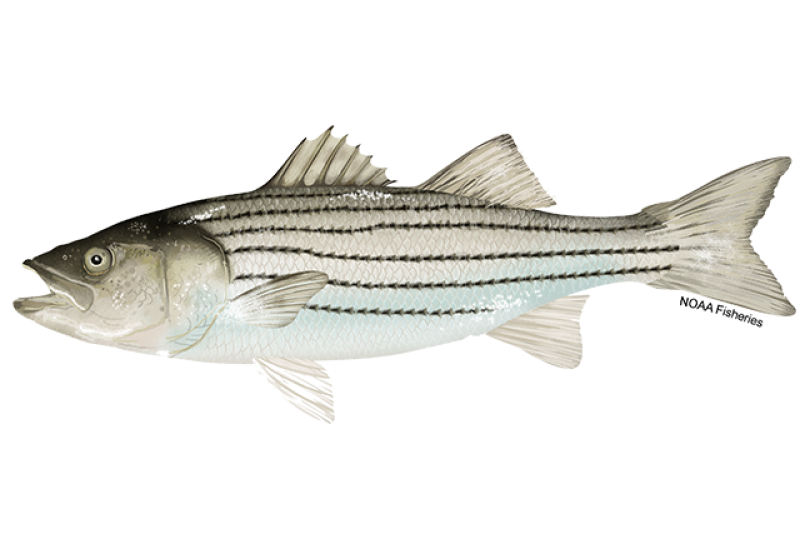
One of the most popular hobbies in Florida is fishing, and you can expect to see a few more striped bass on your hook than usual during the wintertime. Striped bass migrate to southern waters during the winter to find cooler waters under 75 degrees Fahrenheit.
Major populations of the species head to the Carolinas, but a few unique populations come down to Florida to areas like the panhandle in the Ochlockonee River and Lake Talquin, and some even hang out with the manatees in the St. Johns River.
This species of fish seeks shelter in deeper holes like bridge pilings or in current breaks, along with their food, since they don’t stop feeding in the winter, but simply change their feeding patterns to bottom-dwelling prey that lie in deeper waters.
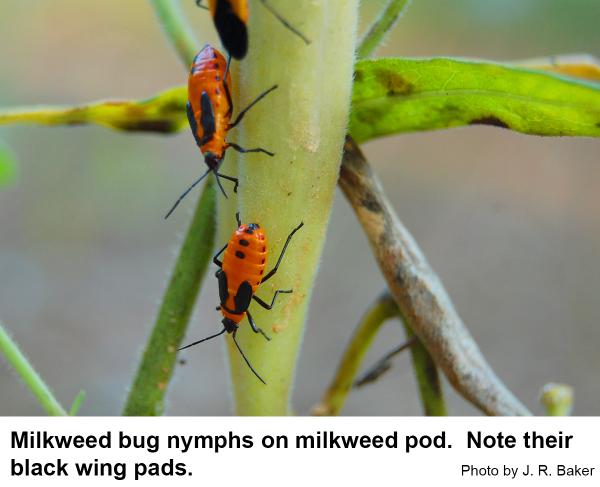
Finally, large milkweed bugs migrate to Florida to join other southern populations, to escape the winter, and continue to breed and feed with the remaining native Florida population, which has a year-round presence in southern Florida.
These intrepid insects consume milkweed seeds, helping regulate the spread of the plant, which can sometimes grow aggressively.
Milkweed bugs, along with the well-known monarch butterfly, both find their nutrients and feed on the milkweed, so it’s important to help contribute to and foster your local ecosystems by planting native milkweed, as it’s the only food for monarch caterpillars.
Adding nectar-rich plants like coneflowers that bloom throughout spring, summer, and fall provides nectar for adult butterflies to help fuel their migration south.
Florida serves as a critical wintering ground and stopover point for many species. Florida’s unique subtropical climate and geography make it a vital hub for wildlife year-round, but especially during seasonal changes when animals struggle to survive in the cooler environments.
Every small action helps to keep these lovely travels safe and protected. From planting milkweed in your yard, to keeping our waterways clean, and supporting local conservation efforts. Every small effort helps ensure they continue their remarkable seasonal travels.