

By Elijah Penn, Copyeditor
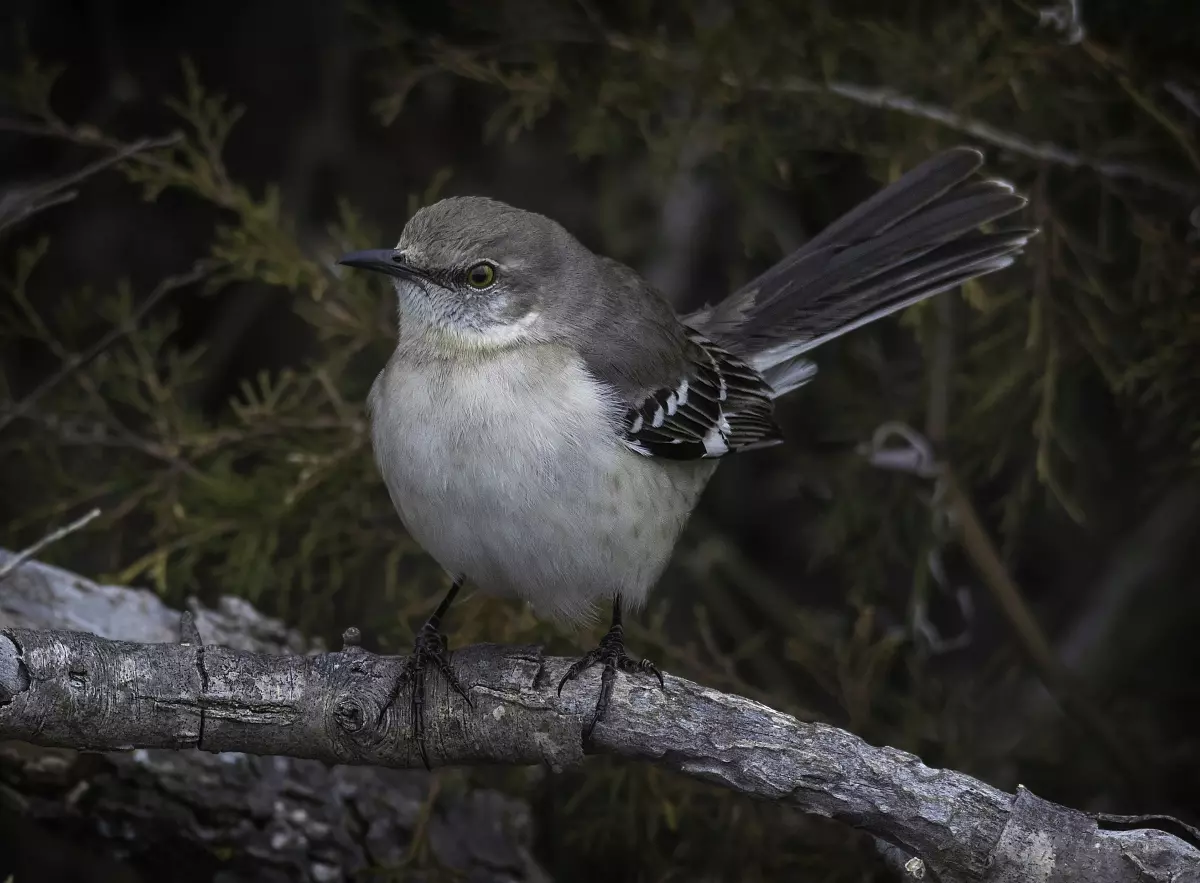
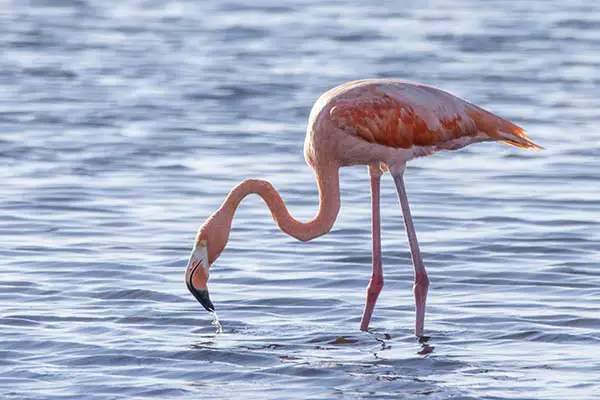
The northern mockingbird has enjoyed its lofty status as Florida’s state bird since 1927. However, this near-century reign of the mockingbird is close to an end, as the flamingo threatens to take its throne.
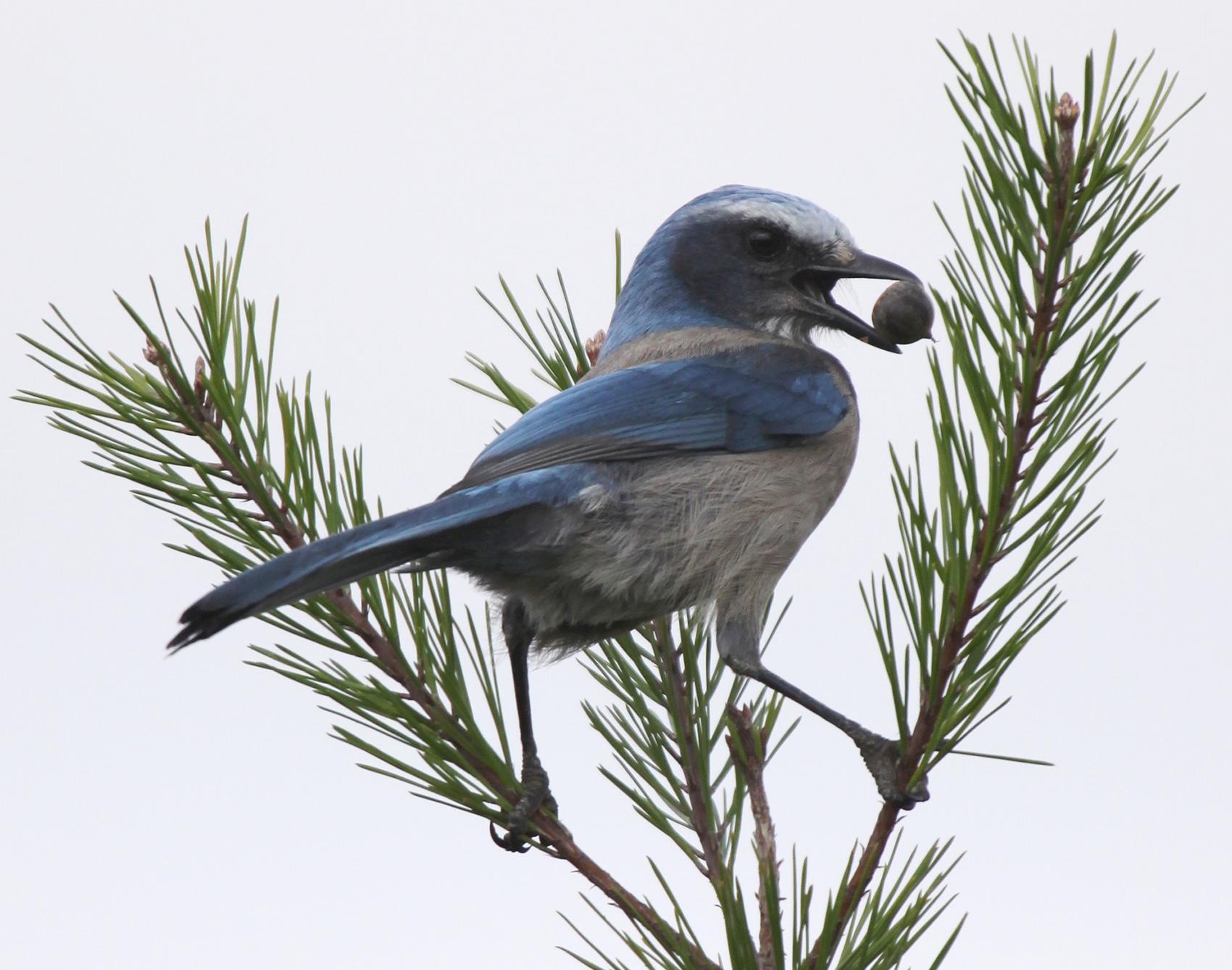
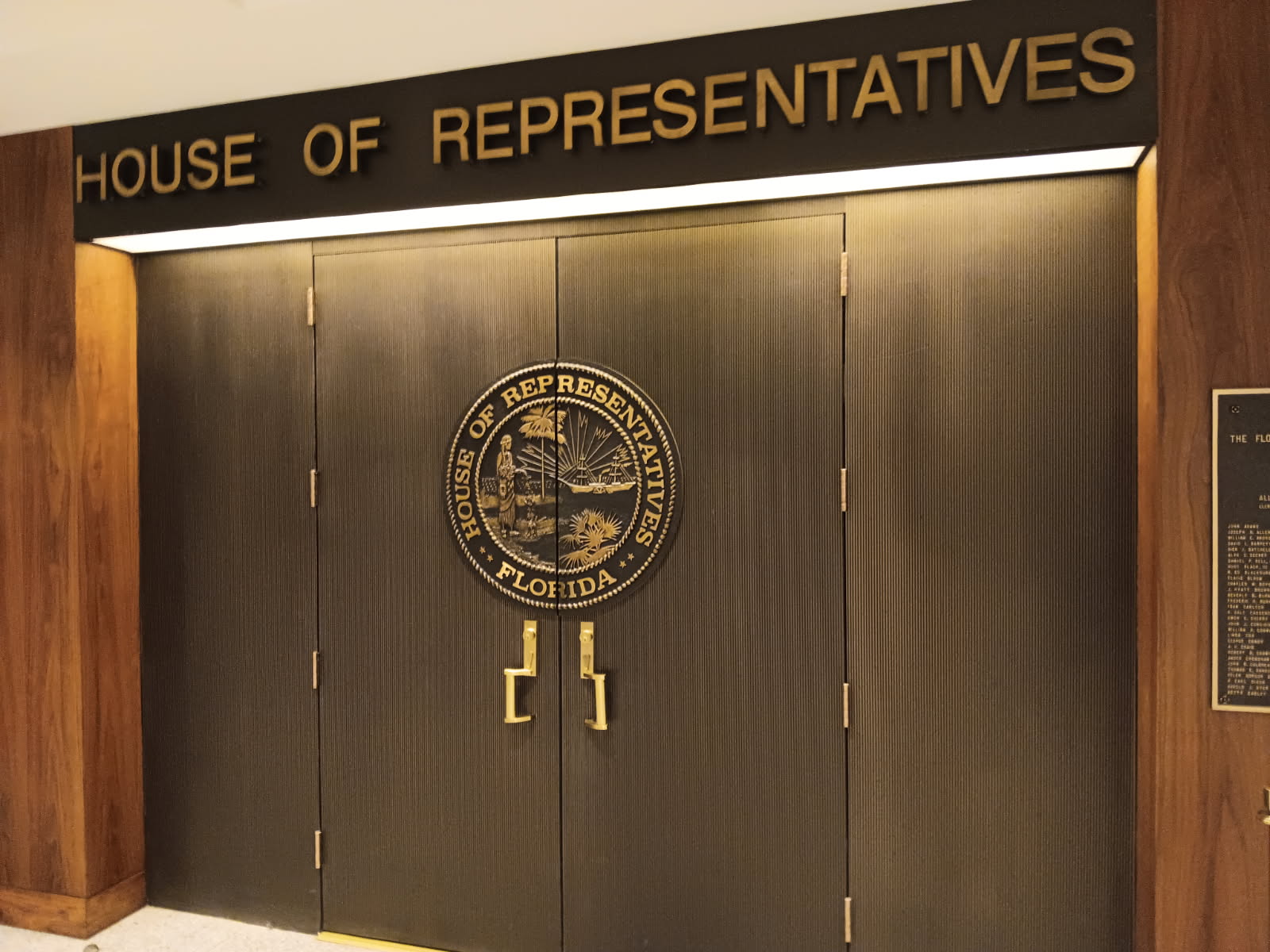
On Feb. 11, the Florida House of Representatives passed HB11 by a vote of 112–1. The bill would replace the mockingbird as Florida’s state bird with the flamingo and also designate the Florida scrub-jay as itsstate songbird.
According to the Florida Department of State, the northern mockingbird, which has year-round residence in Florida and is known for its “fierce defense of the family nest,” is the state bird of four other states.
This bill, which was passed, was co-sponsored by Rep. Jim Mooney and Rep. Chip LaMarca. Mooney explained why he co-sponsored this bill when presenting it to the State Affairs Committee, joking that he has been standing on one foot for the past five years.
“HB11 invites us to show how Florida represents itself—not formally but symbolically,” Mooney said, adding that the flamingo represents Florida’s uniqueness.
“This bill updates official bird designations to better align with who we are today … [These] are symbols truly representative of our state and its natural heritage. At its heart, HB11 is about pride, education, and environmental stewardship,” Mooney concluded.
Its Senate version, sponsored by Sen. Ana Maria Rodriguez, hasn’t officially passed but is making rapid headway through the legislative process. If passed, it will take effect on July 1.
In January, Breakthrough Research found that a significant majority (29 percent) of Floridians polled said that the flamingo was the bird that best represented Florida. Only 18 percent said the mockingbird, which barely beat the sandhill crane at 17 percent.
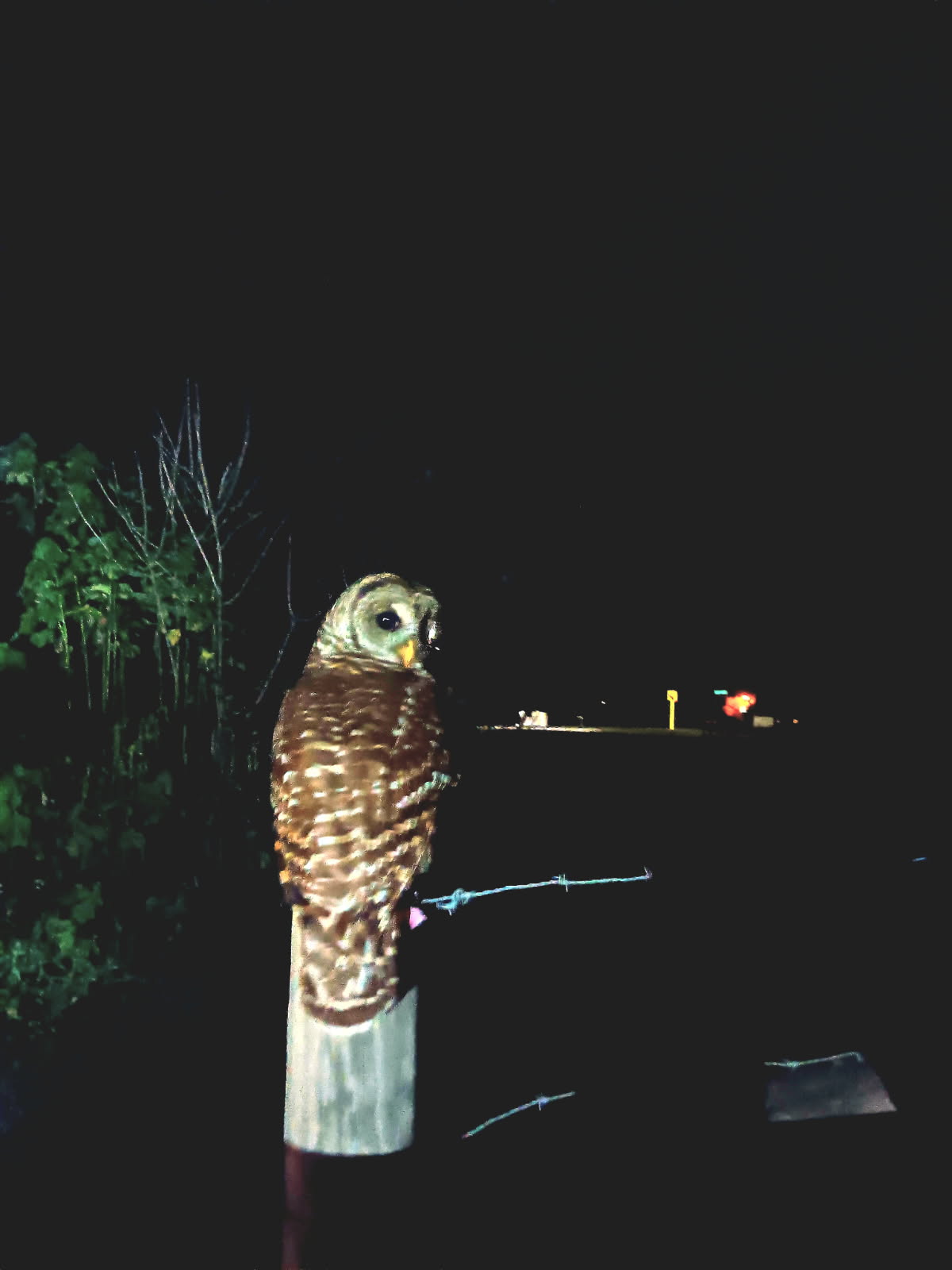
Elias Karnaby, a junior majoring in Political Science and a self-described bird enthusiast, is among those who consider the sandhill crane more fitting.
Karnaby found it ironic when he first learned that the “northern” mockingbird was Florida’s state bird, but developed a love for their song, which he prefers to the scrub-jay’s. He finds Florida’s change sad but expected.
“I just think that if we are going to have a bird represent Florida, it should have been the sandhill,” Karnaby opined. “The Florida state bird should represent the people, not the brand.”
Karnaby notes that sandhill cranes can be seen across the state, unlike the flamingo, which can only be seen in parts of southern Florida. Moreover, he points out the personality of the sandhill crane, opposed to the famous pink icon.
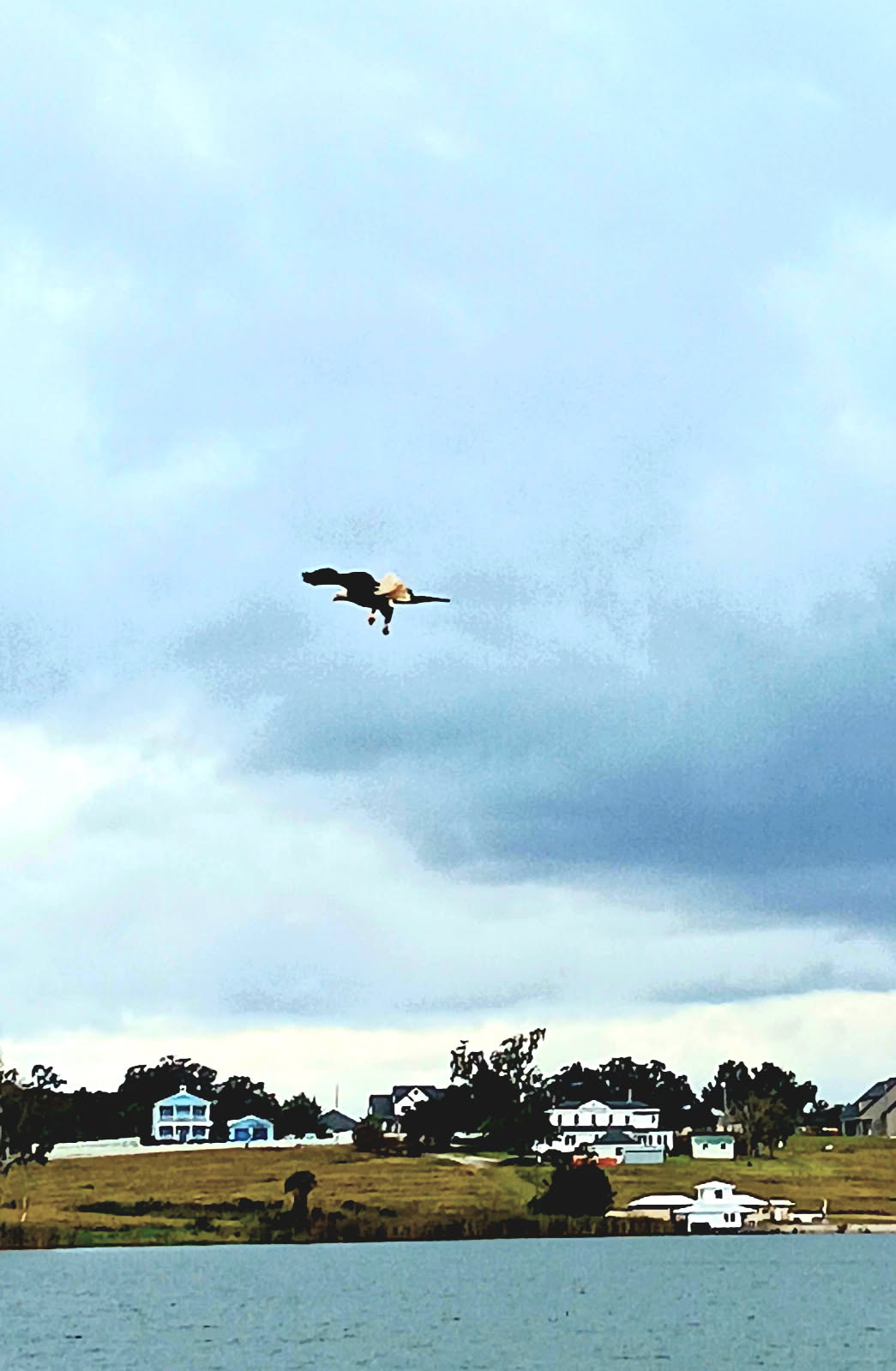
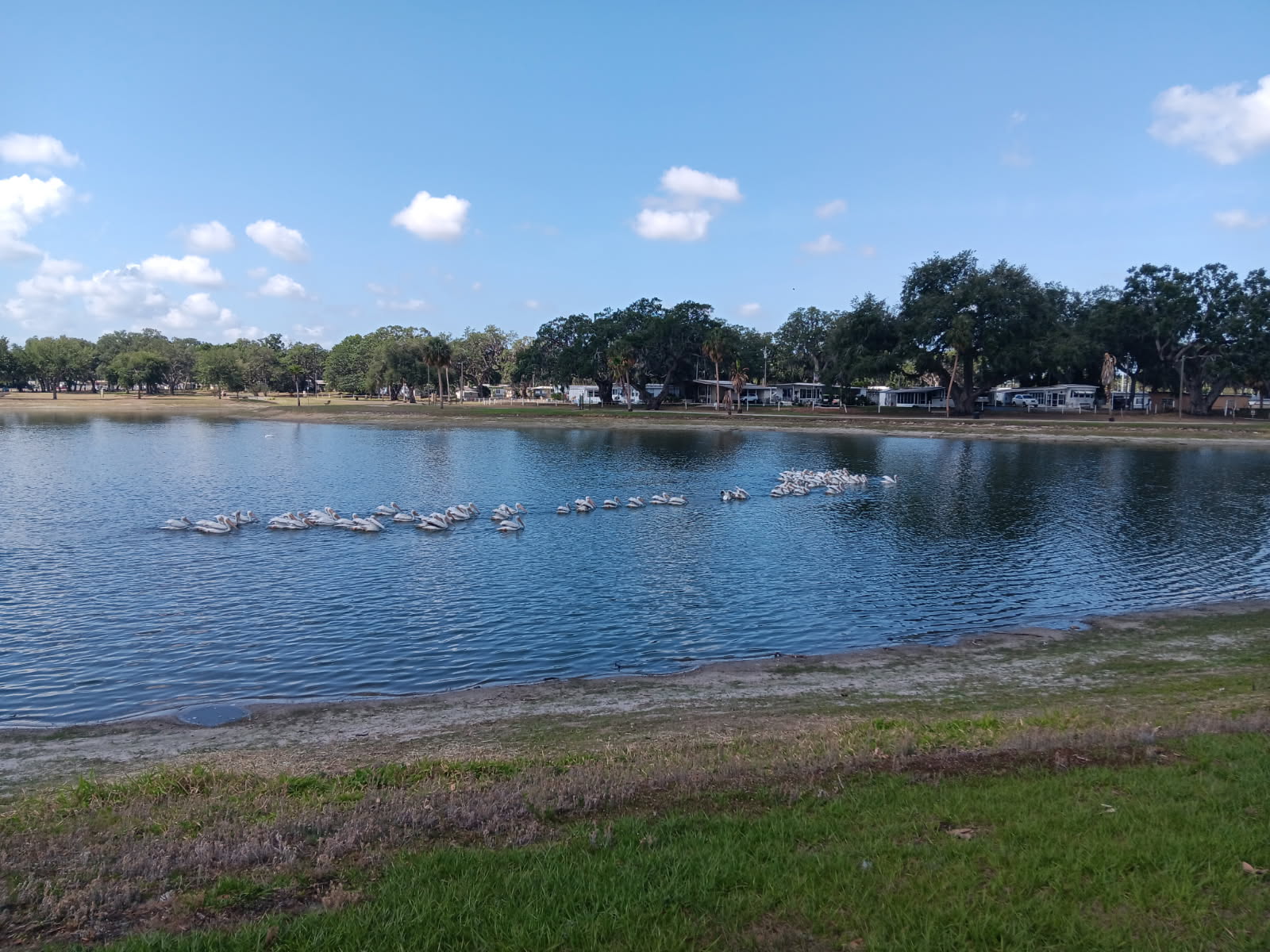
“The sandhill … embodies Florida’s values much more. The sandhill is not very aggressive, but if you come at it or its mate and child, they will fight back,” Karnaby added.
Karnaby continued that sandhills cranes, which mate for life and raise chicks together, present a goodexample of traditional family values.
“This is unlike the flamingo, which is a cowardly bird that has no concern for the fellow members of its flock,” said Karnaby before joking, “That type of behavior is only found in Miami residents and doesn’t represent the rest of how Floridians act.”
Karnaby suspects that Florida lawmakers’ move to establish the flamingo as the state bird is to improvethe state’s tourism marketing.
“Florida has been working on its brand recently … Since tourism is our biggest money maker, having a better recognized bird for the brand makes sense. It’s a business play,” Karnaby said.
“The flamingo does not embody any of the characteristics of a Floridian. It is, however, a very recognizable and most importantly, advertisable bird,” stated Karnaby, “It’s the bird on the state lottery; there’s a statue of it in the international airport. It’s in postcards, billboards, novelty keychains, and playing cards.”
“So, while the flamingo, in my opinion, doesn’t embody the spirit of Florida culture, it is the recognizable ‘Miami Vice’ that brings in the tourists,” Karnaby concluded.
This move shows a shift in Florida’s identity. Residents may debate over which bird represents them best, but it shows an underlying change in Florida’s culture and how it wishes to present itself to the world as a state.