

By Alina Rezepova, Staff Writer
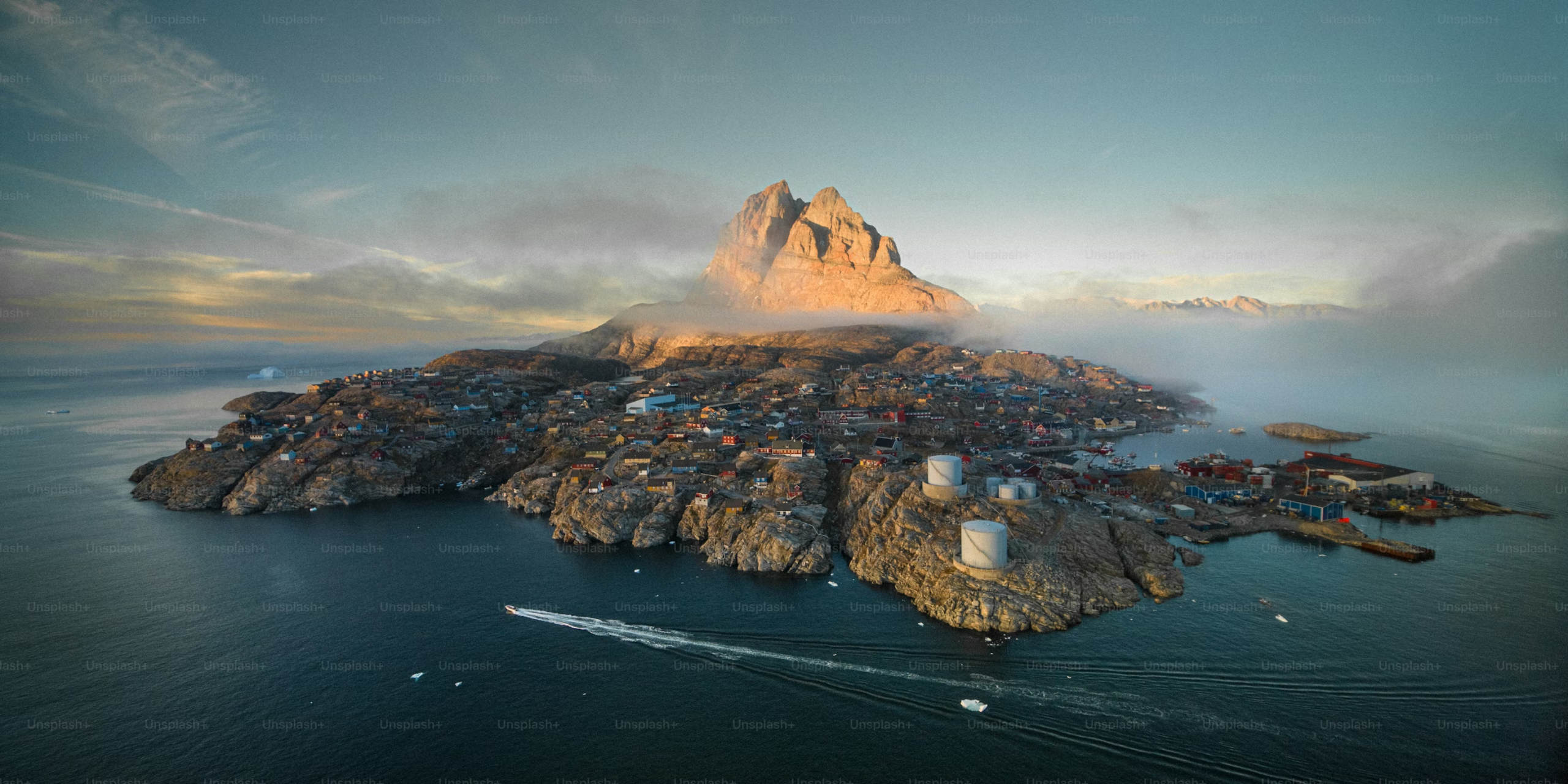
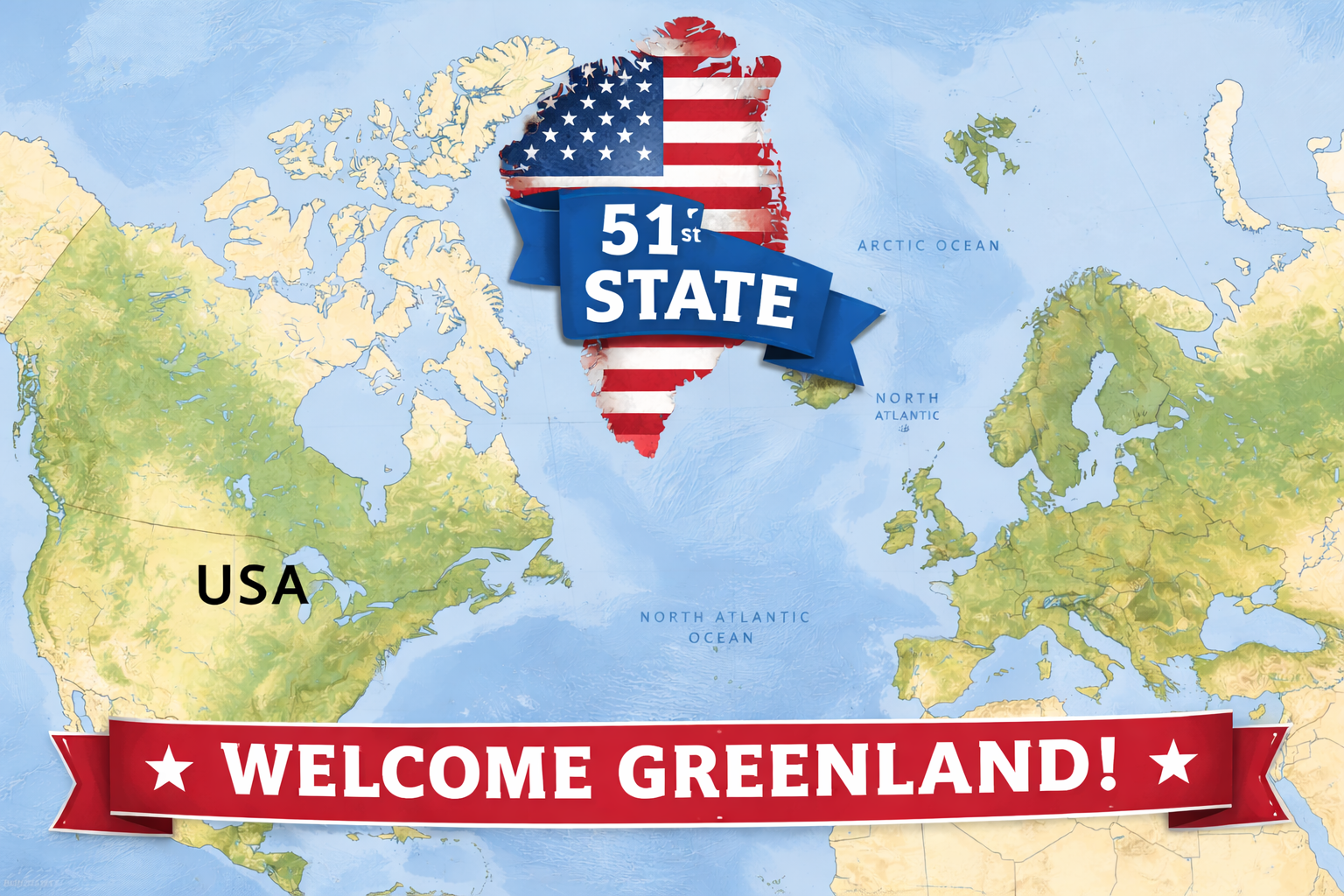
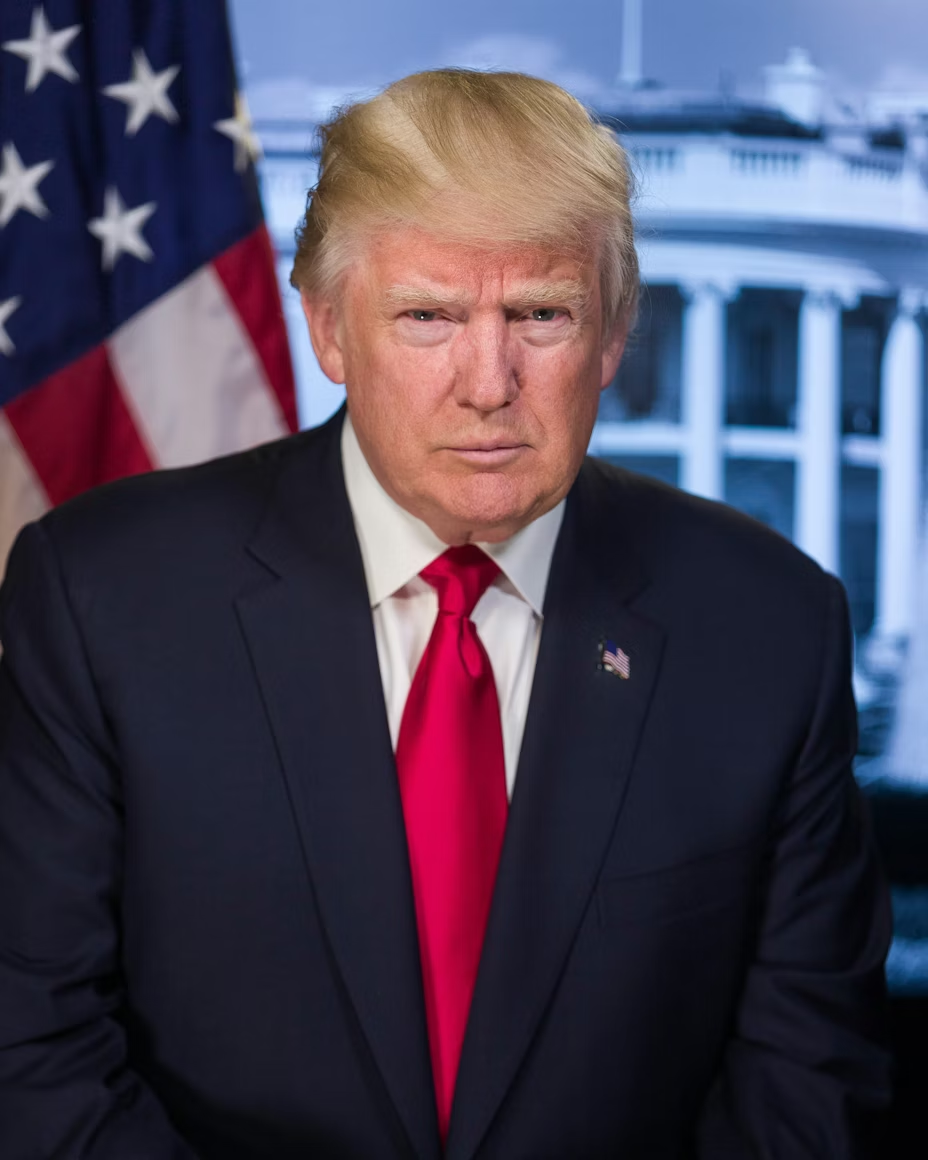
Greenland, an island that is roughly 80 percent covered by ice, has recently attracted international attention. The focus comes after U.S. President Donald Trump made comments about potential American involvement in the territory.
According to the Ministry of Foreign Affairs of Denmark, Greenland is not formally an independent state but is part of the Kingdom of Denmark, with the rights of broad autonomy. The island has its own government and parliament that controls domestic policy and natural resources.
The issue of Greenland’s autonomy from other states began to be discussed quite a long time ago,within the country itself.
According to Veriangroup.com, many residents of the island do not support a potential transfer of authority to the United States, but they also show little interest in maintaining the current arrangement with Denmark.
Also, according to NineNews.com, President Donald Trump first showed interest in Greenland in 2019, when he publicly called the idea of acquiring it “strategically interesting,” as he viewed Greenland as an important element of U.S. national security.
With this interest, discussions about Greenland’s political future have increased. Francis Orlando, instructor II of political science at Saint Leo University, shared his thoughts.
“It is unclear how much of President Donald Trump’s rhetoric is sincere, or is merely just a way to bargain,” said Orlando.
According to WorldAtlas.com, Greenland is the world’s largest island and holds strategic significance due to its geographic position between the Arctic and Atlantic Oceans, as well as its proximity to North America and Europe. This location has contributed to ongoing international interest in the territory.
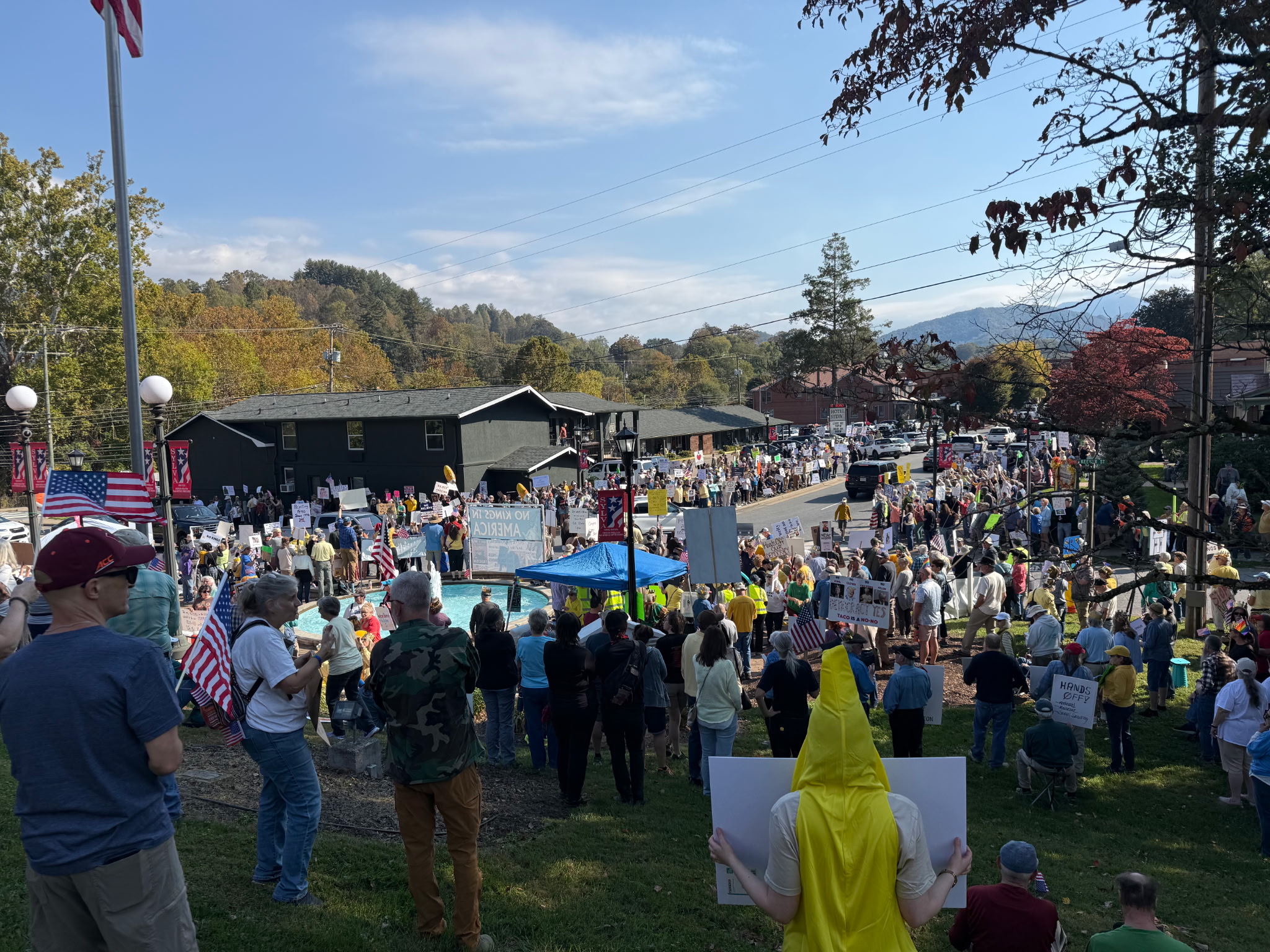
Although opinions vary on the potential involvement of the United States, some people express support for the president’s approach to this issue.
“I think President Trump cares about what is important for the security and prosperity of the U.S.A.,” said Yulissa Barrios, a junior majoring in marketing at Saint Leo.
“And his approach to international relations, including managing assets in Greenland, helps ensure America maintains a strategic position in the Arctic while sharing resources responsibly through treaties,” stated Barrios.
While this discussion continues, Washington is concerned about Greenland’s possible future independence. In the future, this may affect the vulnerability of the island to external influence.
“Denmark is a part of the North Atlantic Treaty Organization (NATO), but one concern was that Denmark may turn Greenland loose as an independent country in the future,” said Orlando.
However, the United States is not the only country interested in Greenland. Based on information from CSIS.org, China has already invested in Greenland’s mining and infrastructure projects, actively seeking access to strategic natural resources.
These investments have raised the United States’ interest, as they could affect America’s access to critical minerals and strategic influence in the Arctic.
“China has been aggressive in courting small populations, poor countries that are rich in resources or strategically placed,” added Orlando.
Greenland is a key strategic target for Beijing, offering both valuable minerals and a foothold in the Arctic. This is causing concern in Washington, as the United States could miss out on a potentially rich resource, and thus an opportunity, if China strengthens its influence first.
Special attention is drawn to the possible introduction of 10 percent U.S. tariffs on goods from several European countries. According to Reuters.com These measures were seen as a pressure tool in negotiations related to control of Greenland.
“These tools were used by President Trump to extract a deal that suited his demands. In the end, it looks as though the U.S. will get some of what Trump wants, and these tariffs will not come into effect,” said Orlando.
“The longer-term issue is that episodes such as these can weaken the strategic partnership between the U.S. and the E.U. and harm NATO’s cohesion,” added Orlando.
President Trump’s interest in Greenland reflects how economic competition and strategic rivalry with other powers can shape America’s foreign policy priorities, even as Washington continues to manage relationships with its allies.