


By Togzhan Baikenova, Staff Writer
The United States recently paused the issuance of immigrant visas for citizens of 75 countries. This raised concerns about immigration policy and its potential impact on international students and global mobility.
On the Jan. 21, the pause was in effect and affected people seeking permanent residency in the United States, including those applying through family sponsorship, employment, anddiversity visa programs.
According to Reuters, this action was cited as part of a broader review of immigration processing and the national security policy. The main concern, according to Mintz Law Firm, is that officials view foreign nationals from these countries as more likely to become a “Public Charge,” someone who relies primarily on government assistance for financial support.
Non-immigrant visas are issued to people with permanent residence outside the United States but wish to visit the United States on a temporary basis for tourism, temporary work, or study. The pause may not directly affect non-immigrant visas, but it still raises concerns for most immigrants and international students.
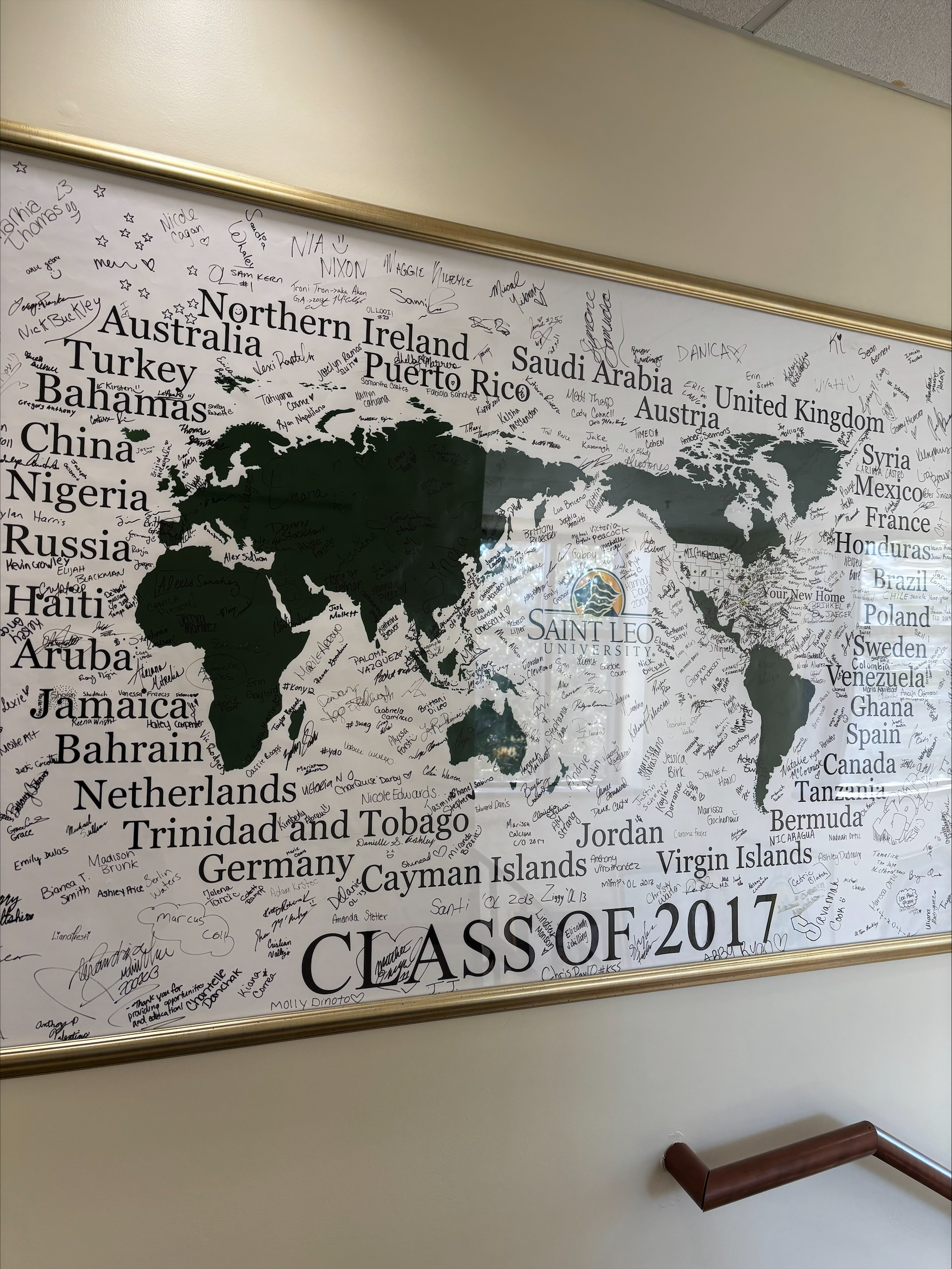
Many international students have expressed uncertainty about how the policy could affect their future. Aisuluu Osmonova, a sophomore international student from Kyrgyzstan majoring in computer science, shared her thoughts on the pause.
“Even though this policy is about immigrant visas, it still makes international students nervous because immigration rules can change quickly,” said Osmonova.
Despite student concerns, university officials emphasized that the pause does not change current rules for international students on non-immigrant visas.
The Executive Director of the Global Engagement Center, Paige Ramsey-Hamacher, sharedher perspective regarding the issue.
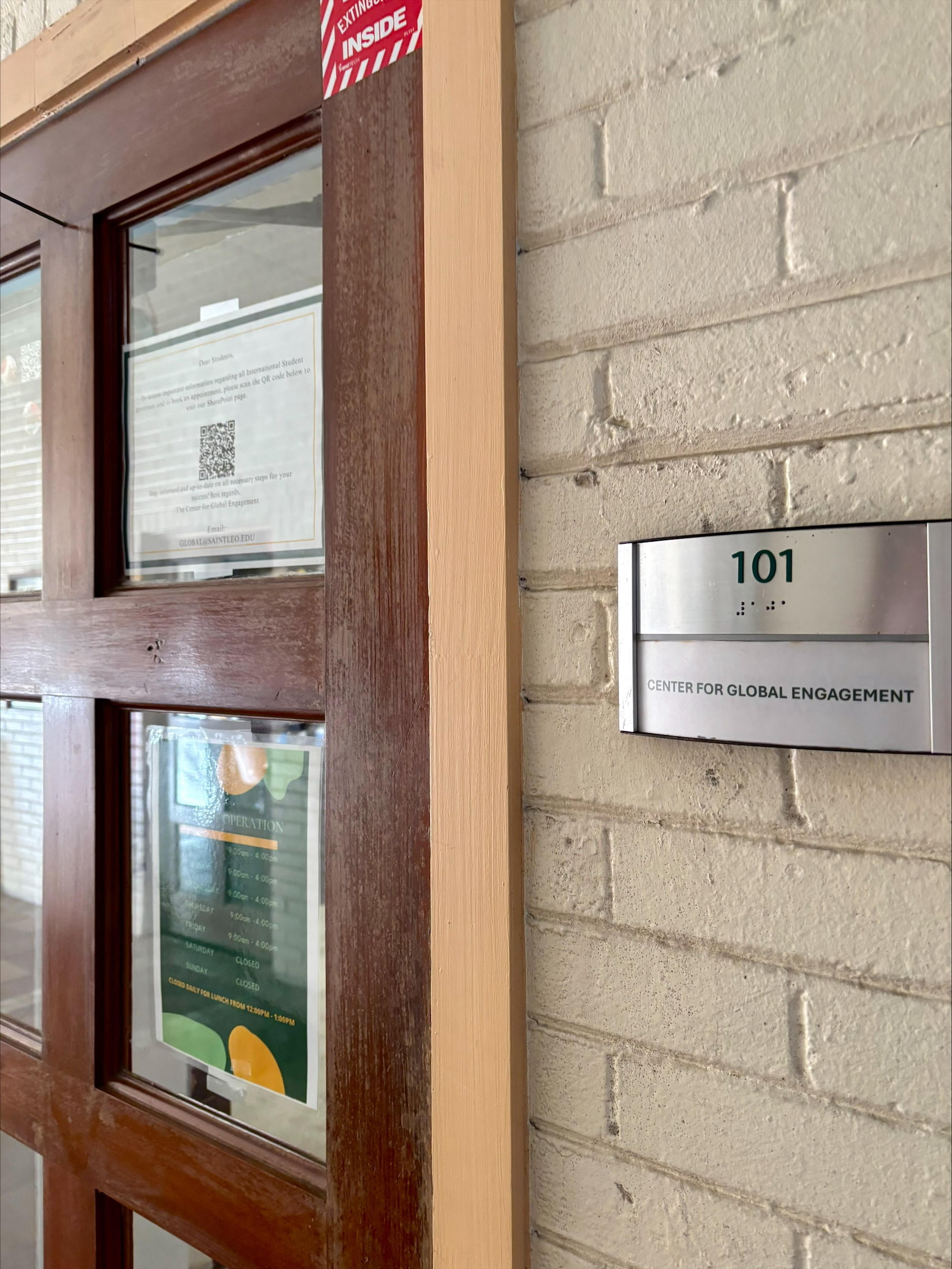
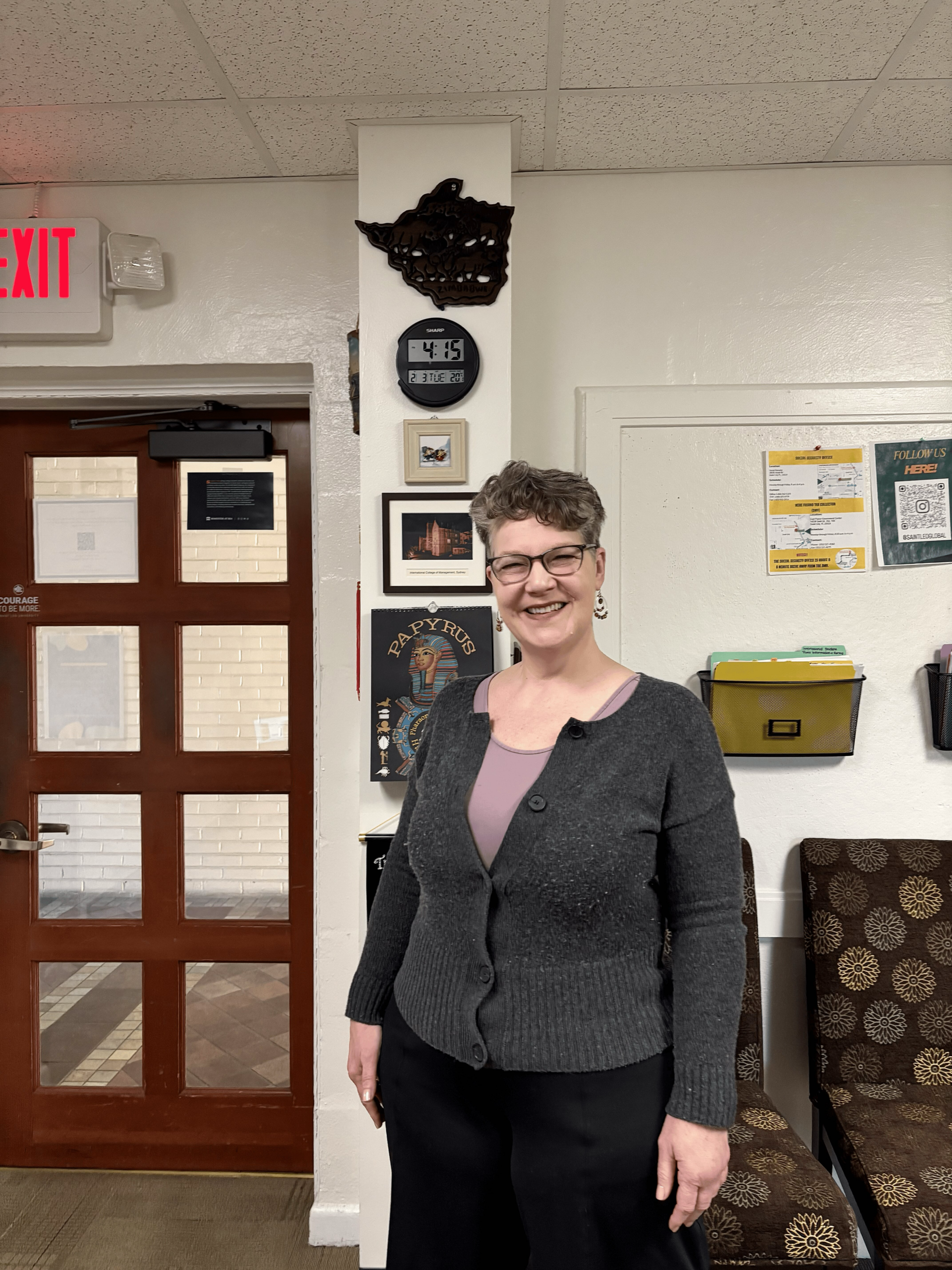
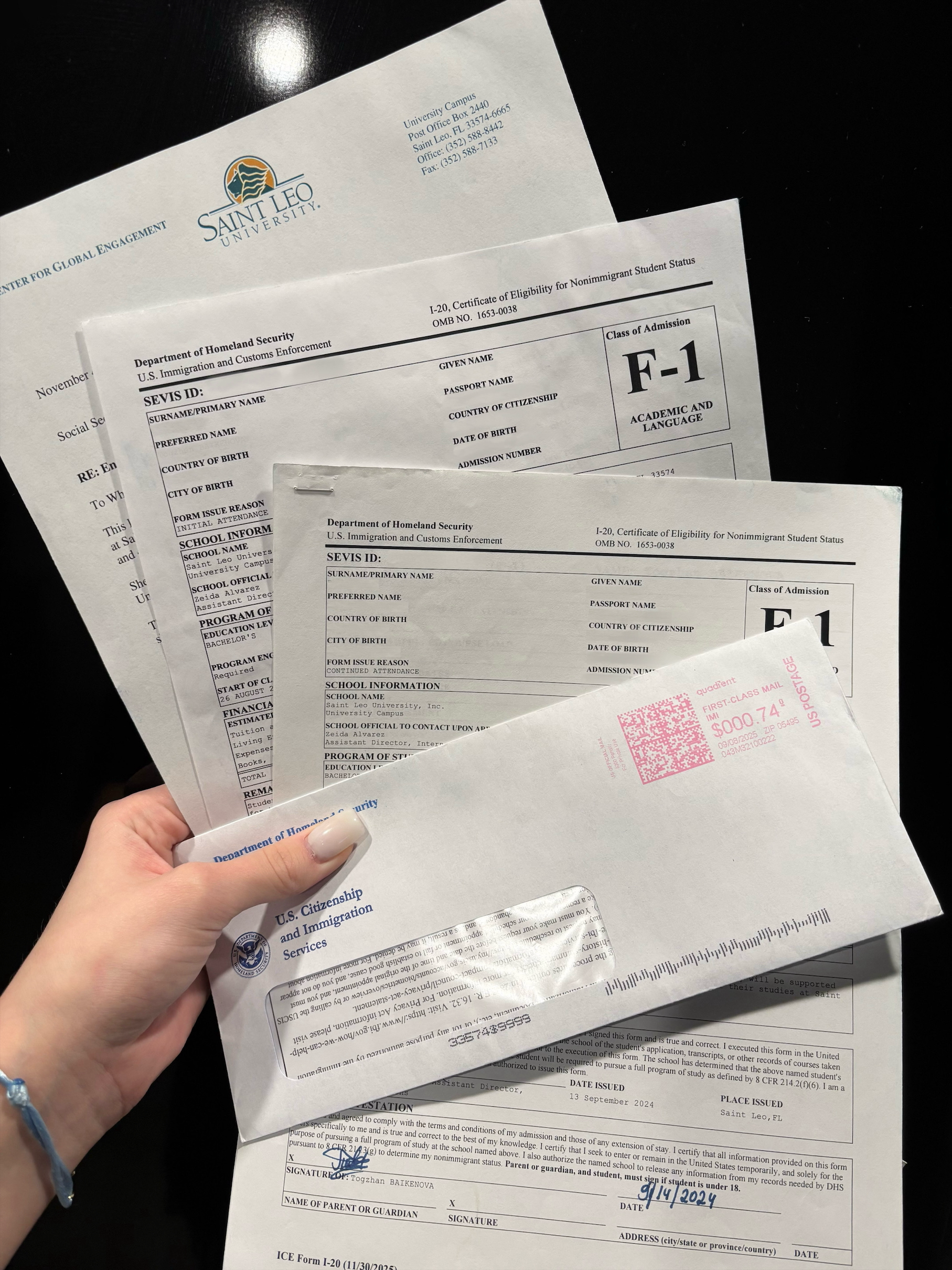
“For students on F-1 visas, the regulations related to employment and staying in the United States are the same as they have been for quite some time,” said Ramsey-Hamacher.
“Optional Practical Training and STEM OPT are still available options for eligible students, and those policies are still being followed,” stated Ramsey-Hamacher.
Ramsey-Hamacher added that while the immigration pause primarily affects individuals seeking permanent residency, policies like this can still shape how students and their families view the United States.
“Any policies that a country has are going to shape a person’s view of what possibilities they would be able to have to study, stay, or build a future,” Ramsey-Hamacher said.
Although the long-term effects of the immigration pause remain uncertain, Ramsey-Hamacher emphasized that the policy is primarily focused on immigrant populations rather than international students.
“This pause is more for immigrants than it is for non-immigrants,” Ramsey-Hamacher stated.
While the immigration pause does not directly impact student visas, it indicates the ongoing uncertainty international students face regarding their future in the United States.
As immigration policies continue to evolve, Saint Leo students are always welcome in the Global Engagement Center with any concerns regarding their education and rights.