

By Elijah Penn, Copyeditor
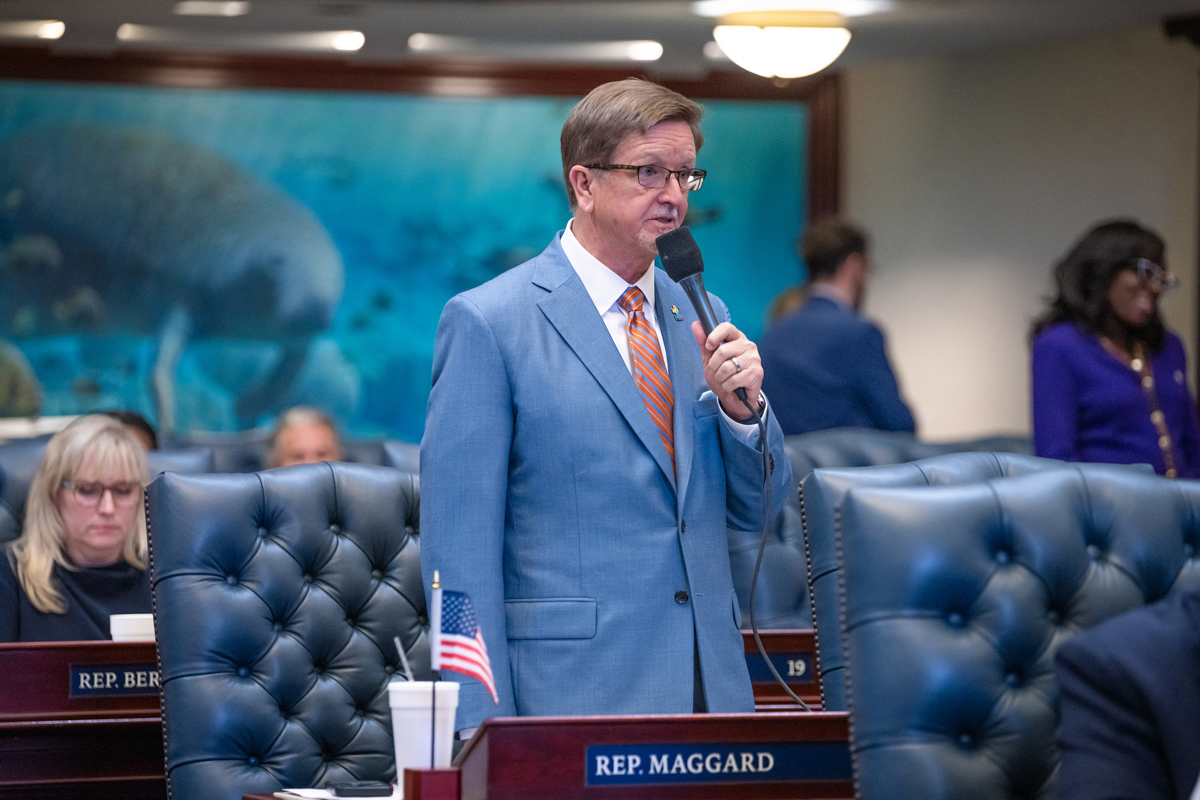
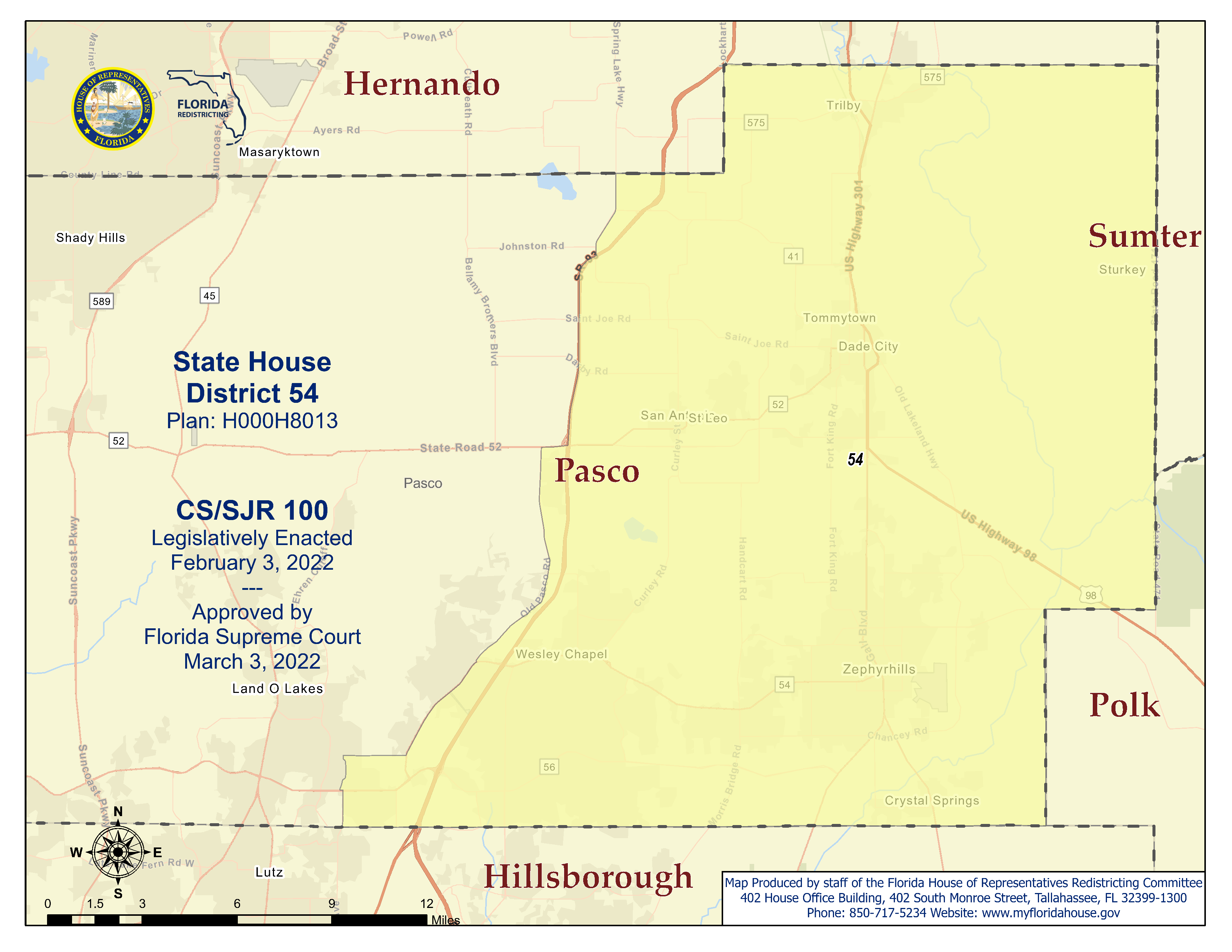
The 2026 Florida Legislative Session has brought many bills that are being closely watched by Floridians, from changing the state bird to reducing the purchasing age for firearms. However, another bill that has gained a lot of attention recently is House Bill (HB) 479 by RepresentativeRandall “Randy” Maggard of District 54, which includes the Saint Leo community.
Upon its original filing, HB 497 stated, “The regulation of water quality, water quantity, pollution control, pollutant discharge prevention and removal, and wetlands, including any delineation, is exclusively preempted to the state,” preventing county and municipal governments from enforcing rules relating to those issues.
The bill also included a provision that allowed the state to refuse funding to municipalities or counties that violated this statute.
HB 479 was met with mixed reception, with notably strong opinions from its opponents. Craig Pittman of the Florida Phoenix went as far as describing Maggard’s bill as the “Worst Bill of the Year.”
This isn’t the first year that Maggard has proposed this statue change. In fact, Maggard ran similar bills in 2023 and 2024, although neither made it to the House floor.
However, on Jan. 14, HB 497 was substituted to only focus on preventing local governments from enforcing wetland buffer laws beyond a minimum of 15 feet and an average of 25 feet.
It would also repeal Section 373.591 of the Florida Statutes, effectively disbanding “Management Review Teams” for conservation, preservation, and recreation lands owned by state water management districts.
While changes in the bill, since it was originally introduced, have addressed many of the major concerns of critics, many still raise alarm about the potential effects of the bill, even in its narrowed scope.
Critics of HB 497 point to environmental concerns or limiting “home rule” when the state restricts the authority of local governments over the land in their borders. Supporters point to the time and cost savings for landowners wishing to develop land adjacent to wetlands.
If passed, the bill will directly impact the practices of current local governments. Pasco County currently requires buffer sizes up to 50 feet for specific waterways such as the Anclote River. Buffer size requirements are based on the size, connectivity, and water quality of the wetland.
Almost two-thirds of Florida counties have wetland buffer requirements that often go well beyond state law requirements. These codes would be invalidated by the new statute.
Maggard was unable to provide a comment by the deadline when reached by The Lions’ Pride Media Group.
When presenting the bill to the Natural Resources and Disasters Subcommittee, Maggard stressed that the bill would not eliminate wetland buffers but prevent the state’s average buffer from being increased by local governments.
Wetland buffers are an upland area not aimed at protecting water quality or quantity, butprotecting the wetland from secondary impacts from nearby development, Maggard also stated.
Maggard noted that approximately one-third of Florida is wetland. Thus, many building projects are affected by wetland buffer rules.
Maggard considers Management Review Teams to be a superfluous step that slows down public accountability and often lacks the required volunteer board members.
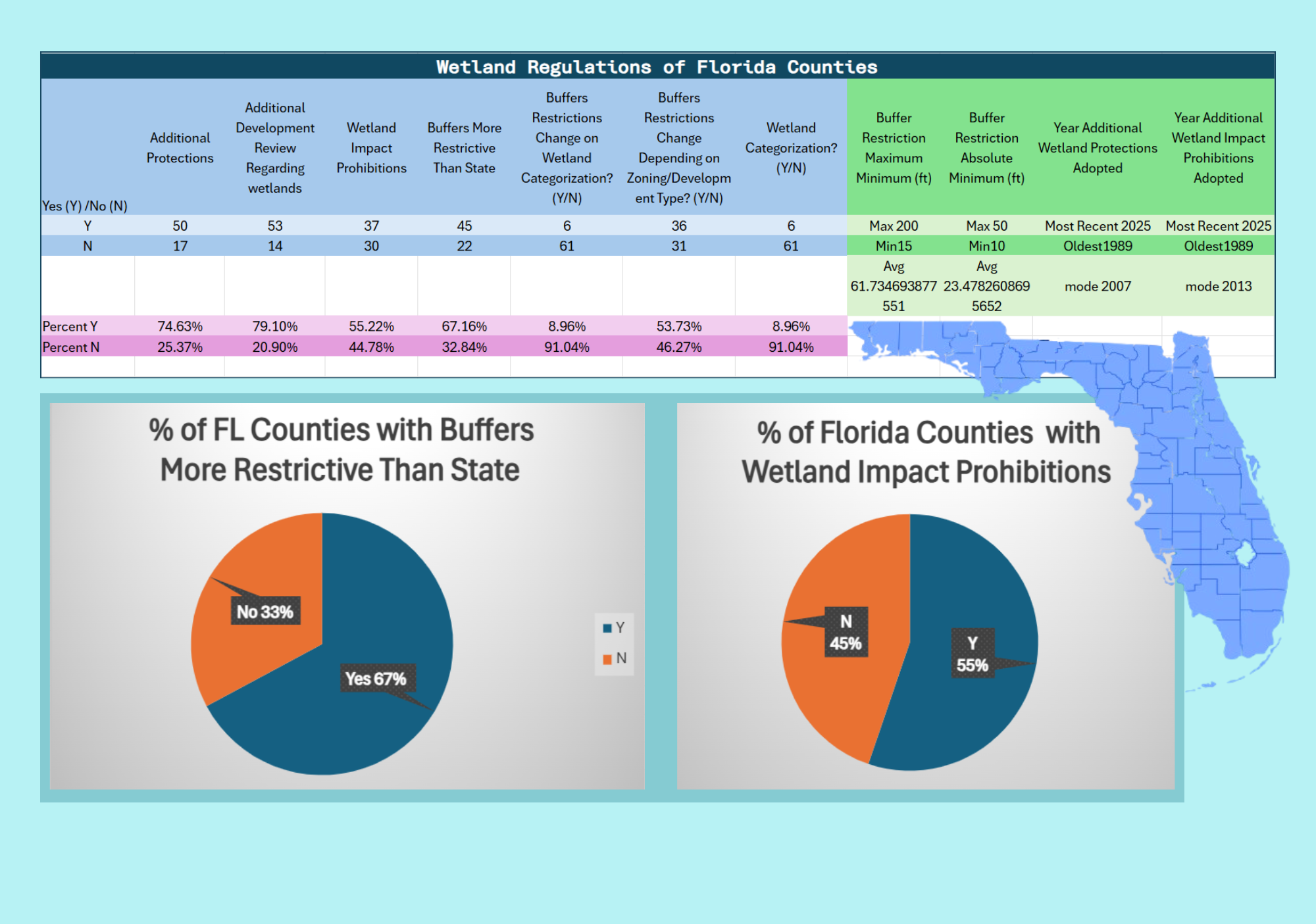
When asked by Rep. Kelly Skidmore why the state is more qualified to set wetland buffer laws, Maggard contended that most counties were “putting random numbers” for wetland buffer sizes.
“Water is science. If we ever let it become emotional, we’re in trouble,” said Maggard, “Nobody knows the water layout more than water management … they do one thing only: water. We know water better than anyone, the state does.”
“I don’t think it’s right to take that person who bought that property, and you take more of it. We take a right-of-way from them on the road; now we’re taking more than what the state says we have to take on [wetland buffers],” added Maggard.
Thomas Ries is the president and founder of the Tampa Bay-based not-for-profit organization Ecosphere Restoration Institute, which works to restore critical habitats; like Maggard, Ries also worked for the Southwest Florida Water Management District (SWFWMD).
Ries supports larger buffers and worries that if HB 479 is passed, the state will be unable to adequately review the increased project load, and reduced wetland buffers will have negative consequences, such as habitat loss or even flooding and water shortages.
“I hate to see the local decisions made that fit that area get taken away so everything is more power control state level. The state is not small,” said Ries.
“The geographics of the northern part or central and southern are not all the same. And, so, if you’re in one of those,” Ries continued, “you may have to have slightly different rules for your situation. So, that should be the way it goes—not one size fits all.”
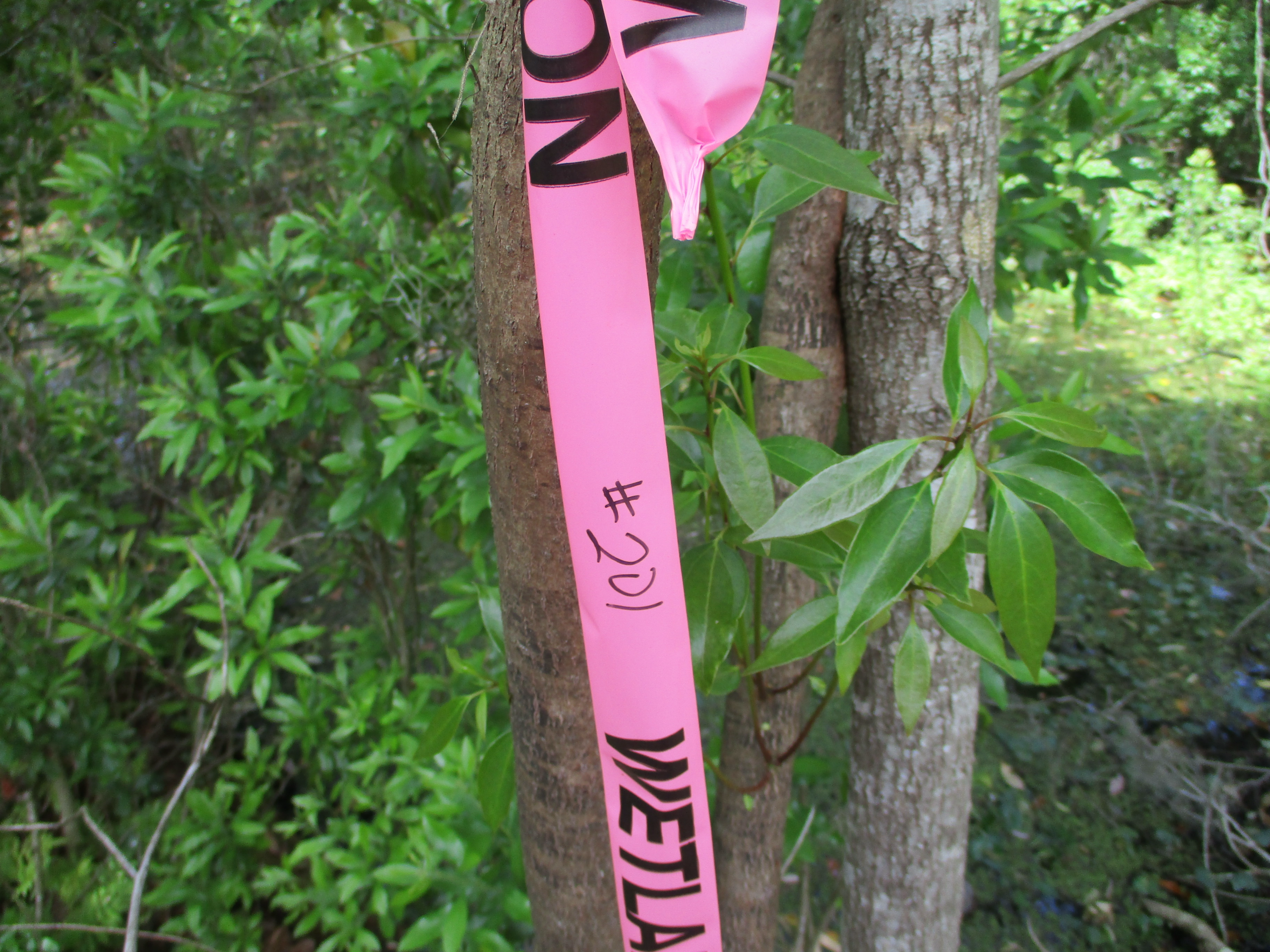
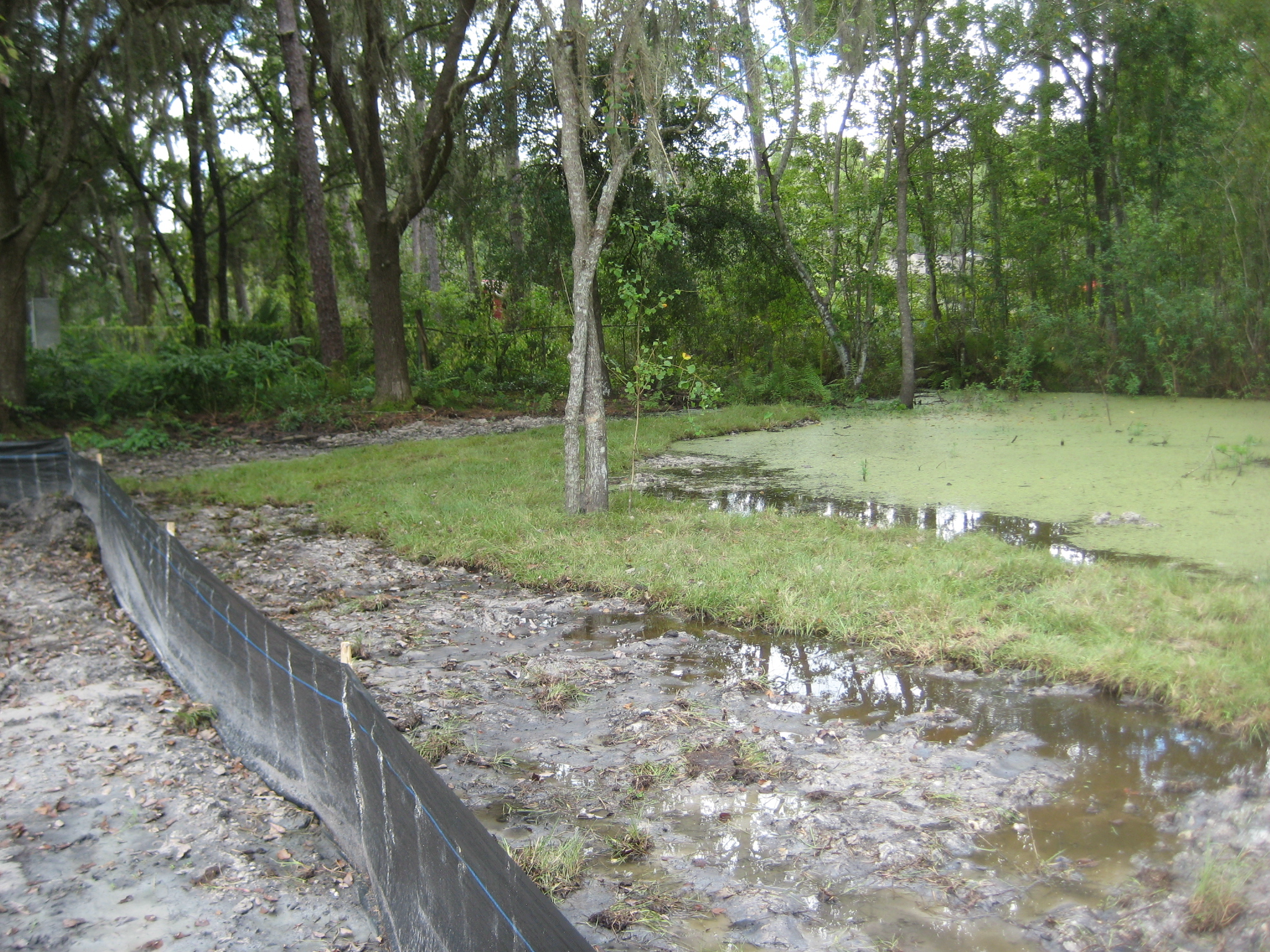
From his experience with SWFWMD and going through permitting for restoration projects, Ries has seen firsthand how overtaxed and understaffed state and federal agencies are. He worries that the increased burden of reviewing all wetland buffers would exacerbate long wait periods.
Additionally, Ries explained that wetland buffers indirectly prevent flooding as they allow greater capacity for the wetland to hold water after major storms, before that water ends up in someone’s yard or home, where a buffer would otherwise be.
Ries cited a USF study that found that most existing wetland buffers were not adequate to protect wetlands. Even when the buffers were large, there were often secondary impacts due to the proximity of urban spaces where impacts such as fertilizer runoff or improper lawn debrisdisposal encroached into the buffer habitat.
The controversy surrounding Maggard’s bill underscores the complex nature of state politics and how even the most seemingly minuscule changes have wide-reaching impacts on the lives of Floridians, for the better or worse. Unfortunately, a single course of action or remedy is seldom agreed upon by everyone.