


By Elijah Penn, Copyeditor
Florida residents responded with mixed opinions after the Florida First District Court of Appeal unanimously ruled its ban on the open carry of firearms as unconstitutional a few months ago.
As of Sept. 25, following the McDaniels v. State of Florida decision, open carry became legal in Florida. This controversial ruling invalidated Florida Statutes § 790.053, which was in place since 1987 and had previously banned open carry in the state.
“Allowing open carry only applies to those legally allowed to possess a gun. This means that other current firearm restrictions in Florida remain in effect for those under twenty-one, as well as convicted felons and those with restraining orders against them,” said Dr. Austin Trantham, Assistant Professor of Political Science at Saint Leo University.
While this law change comes as a shock to many Floridians, most other states already allow some form of open carry.
“Florida is an outlier. Along with California, Connecticut, and Illinois, it is one of the few States that generally prohibit the open carrying of firearms,” read the McDaniels opinion.
In the unanimous ruling, the three-member court found that Florida had failed to provide enough evidence to prove that prohibiting the open carry of firearms was rooted in historical tradition around the time when the United States Constitution was ratified.
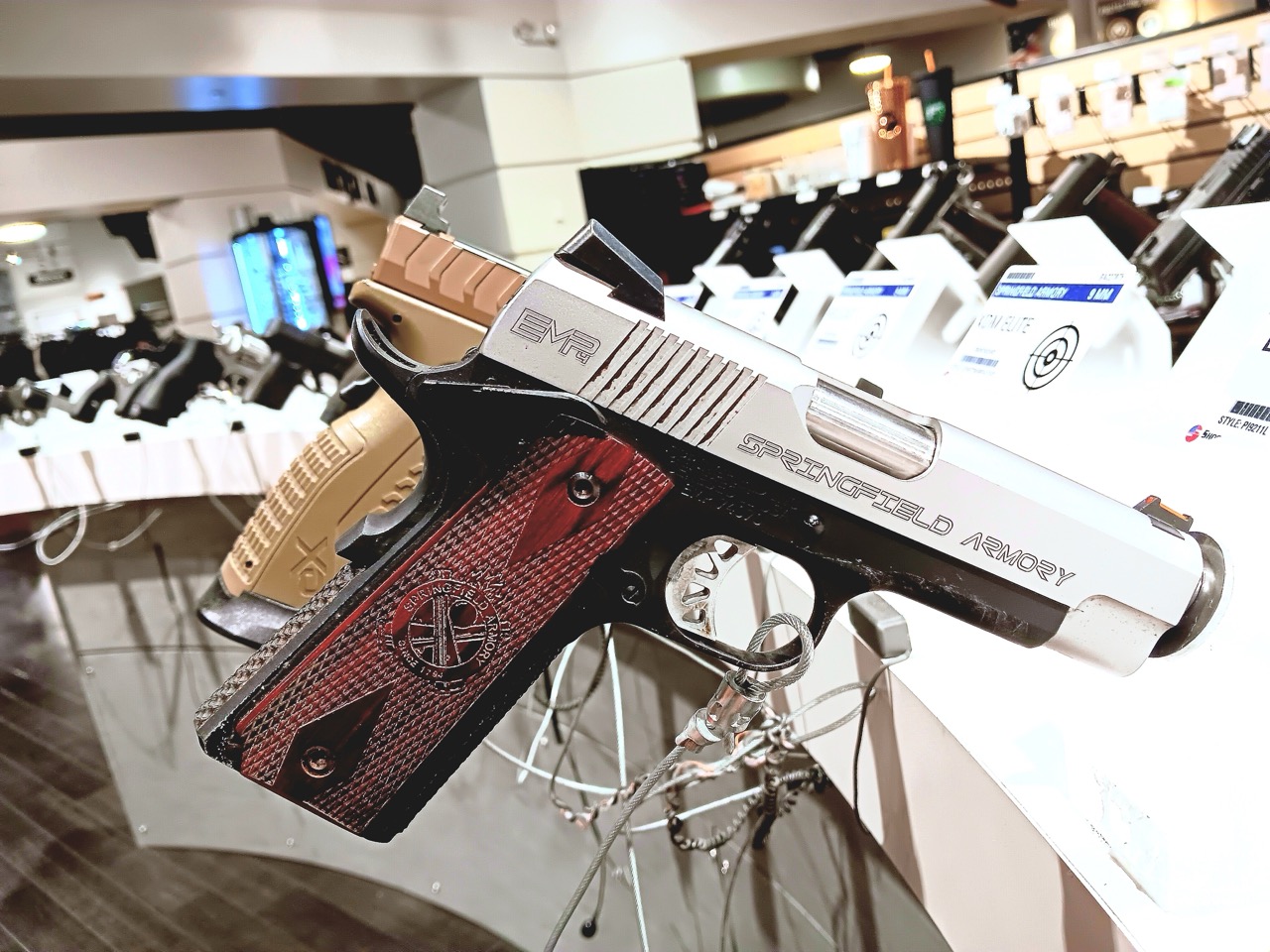


Indeed, the Court opined that at the time that the Constitution was written, open carry was regarded as a safer and more effective means of self-defense compared to concealed carry, which was already legal in Florida.
“No historical tradition supports Florida’s Open Carry Ban. To the contrary, history confirms that the right to bear arms in public necessarily includes the right to do so openly,” wrote Judge Stephanie W. Ray of the First District Court of Appeals, in the opinion.
“That is not to say that open carry is absolute or immune from reasonable regulation. But what the State may not do is extinguish the right altogether for ordinary, law-abiding, adult citizens,” concluded Ray.
This decision comes years after the Florida Supreme Court upheld Florida’s open carry ban in Norman v. State (2017). The District Court acknowledged the higher Court’s Norman precedent but cited the more recent (2022) decision of the U.S. Supreme Court in New York State Rifle & Pistol Association, Inc. v. Bruen.
Therefore, the Court was “bound to apply the analytical framework reaffirmed by the United States Supreme Court” over the older Florida Supreme Court decision.
Florida Attorney General James Uthmeier indicated in a memo following the McDaniels decision that his office would not be challenging the Court’s ruling.

This change in Florida gun laws follows a recent shift in state gun regulations. In July 2023, Florida began allowing “constitutional carry,” which means that people legally allowed to conceal carry no longer needed a permit to do so.
“It is hard to imagine increasingly restrictive policies being put in place in Florida as a result of allowing open carry. The state has a pro-gun culture, and recent efforts by Democratic lawmakers to propose restrictions have not seen action by the Republican-controlled state legislature,” said Trantham.
Trantham noted that in recent years, several bills have been filed in the Florida State House and Senate aimed at relaxing gun regulations in the state.
Trantham noted that the debate about whether the Second Amendment requires open carry centers on the amendment’s purpose to provide a “well-regulated militia.” He added that those in favor of open carry argue that this supports such a militia to visibly carry weapons; opponents, however, pointed out that the clause allows for the militia to be “regulated,” and thus the government has the authority to enforce laws on the public carrying of firearms.
“The operative clause of the amendment permits a ‘right to bear arms.’ Those supporting open carry could directly cite the language to argue that one has the right to openly ‘bear’ or publicly carry a firearm,” Trantham stated.
“However, those against open carry may state that this is a general ‘right,’ but does not specify who, if anyone, should actually have a right to carry openly,” added Trantham.
Since the law has passed, Floridians are still getting used to the change. Emergency call centers are receiving a flood of reports of people with guns. This has impacted law enforcement’s effectiveness as they must respond to each call to determine if a law has been broken and explain the new law to concerned citizens.
Gracie Fusco of Wink News reported that gun sellers have seen an increase in sales following the open carry law and that people who previously were unsure about owning a gun feel more legally secure with the extension of Constitutional rights.
Reactions to the law remain mixed. Private businesses grapple with the question of whether to allow open carry. Floridians who were not used to seeing guns in public are adjusting to this new era of policy. Those who choose to open carry must carefully navigate the changing rules surrounding open carry. Law enforcement continues to reevaluate department policies, and courts face new questions about when open carry is and isn’t protected.

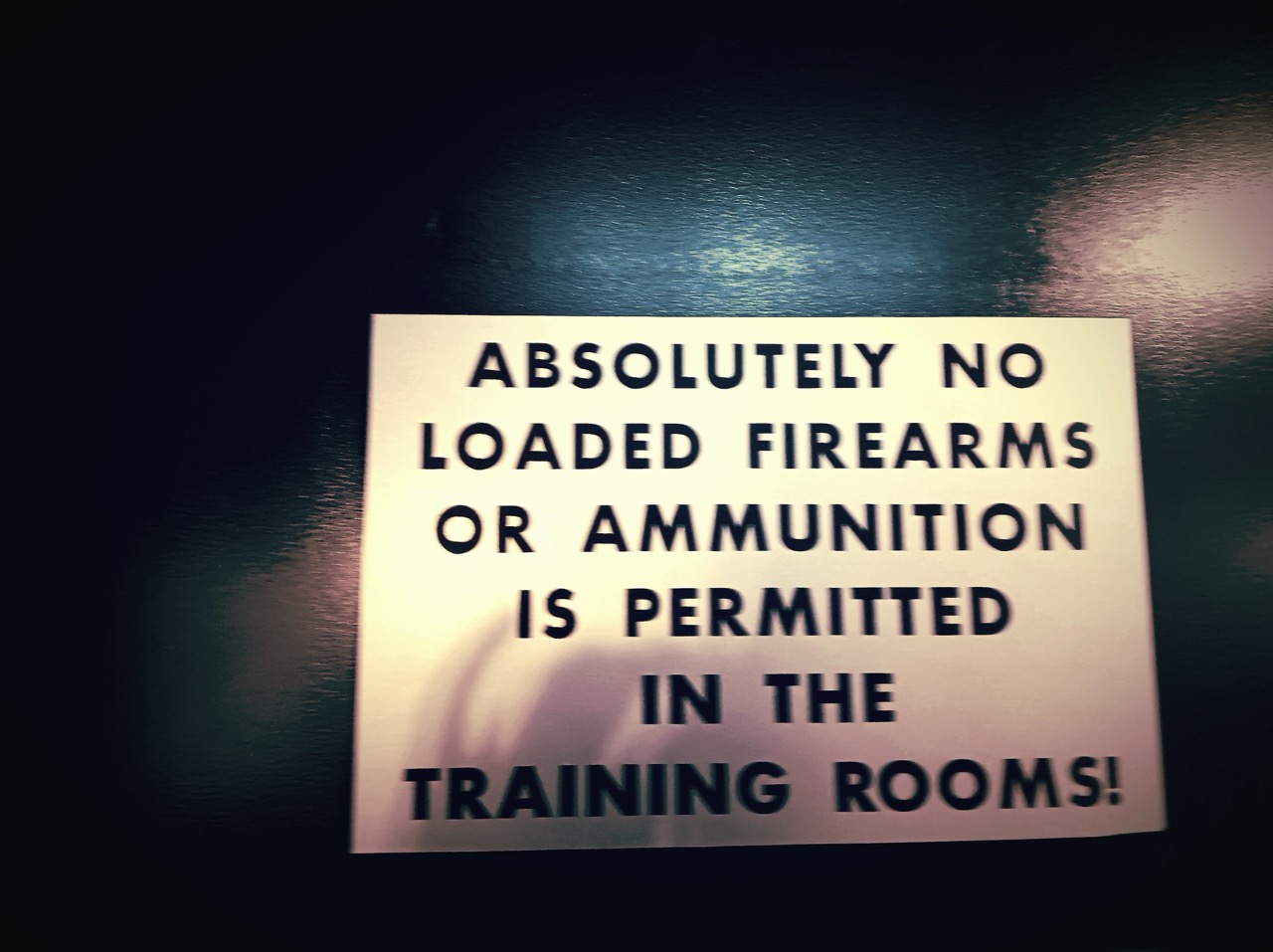
Regardless of the legality of open carrying in Florida, firearms are not welcome on the Saint Leo University campus.
“No open carry or concealed carry is allowed on educational campuses,” said Saint Leo Chief of Safety and Emergency Management, Vincent “Mike” D’Ambrosio. He cited the federal laws that prohibit carrying weapons on school property, in which such an act is considered a felony offense.