
By Sanjeá Taylor, World News Editor
The state of Florida has motioned to end all vaccine mandates, a decision that has sparked many mixed emotions amongst citizens.
At Saint Leo University, many are now wondering how this motion could impact both the campus and the community.
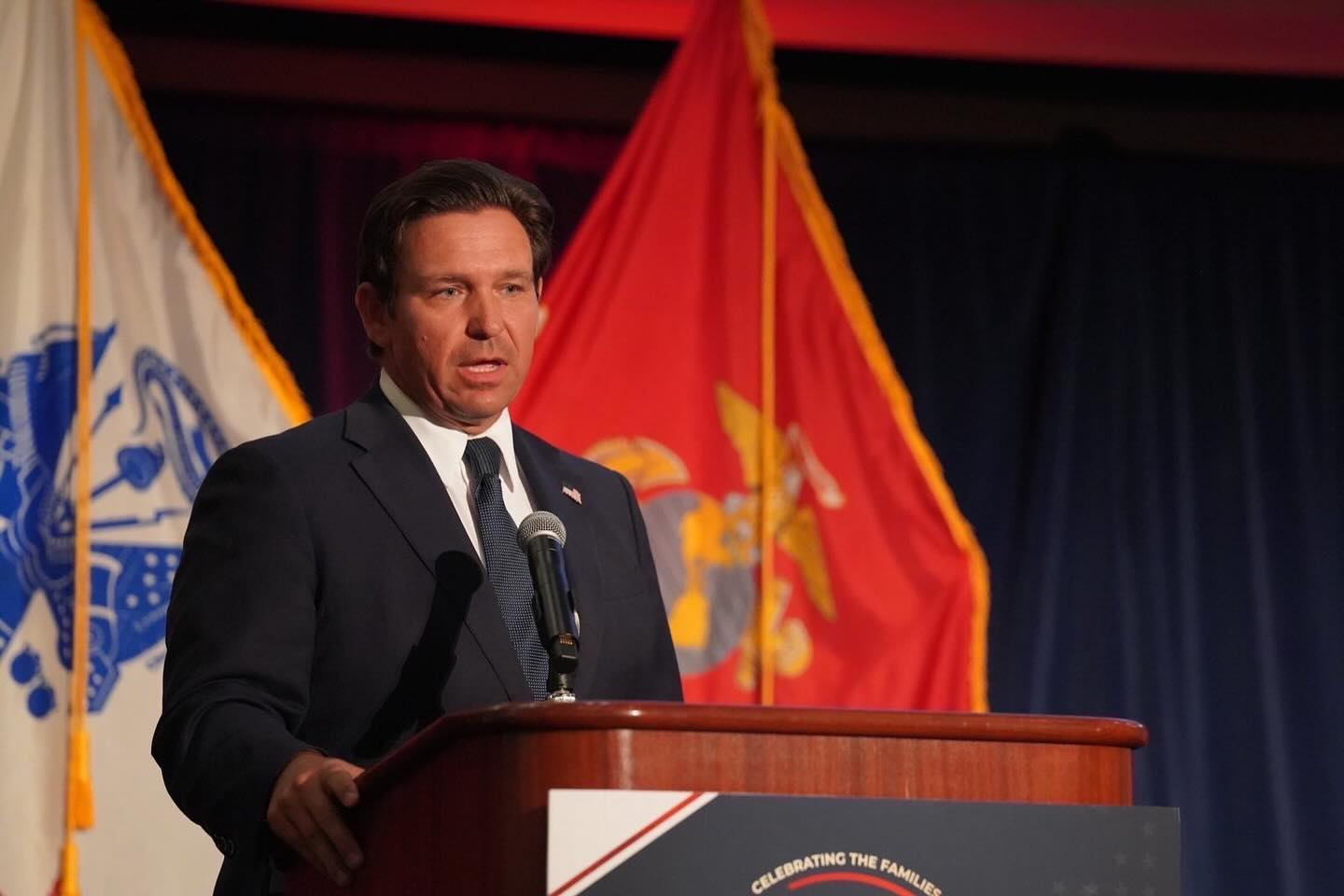
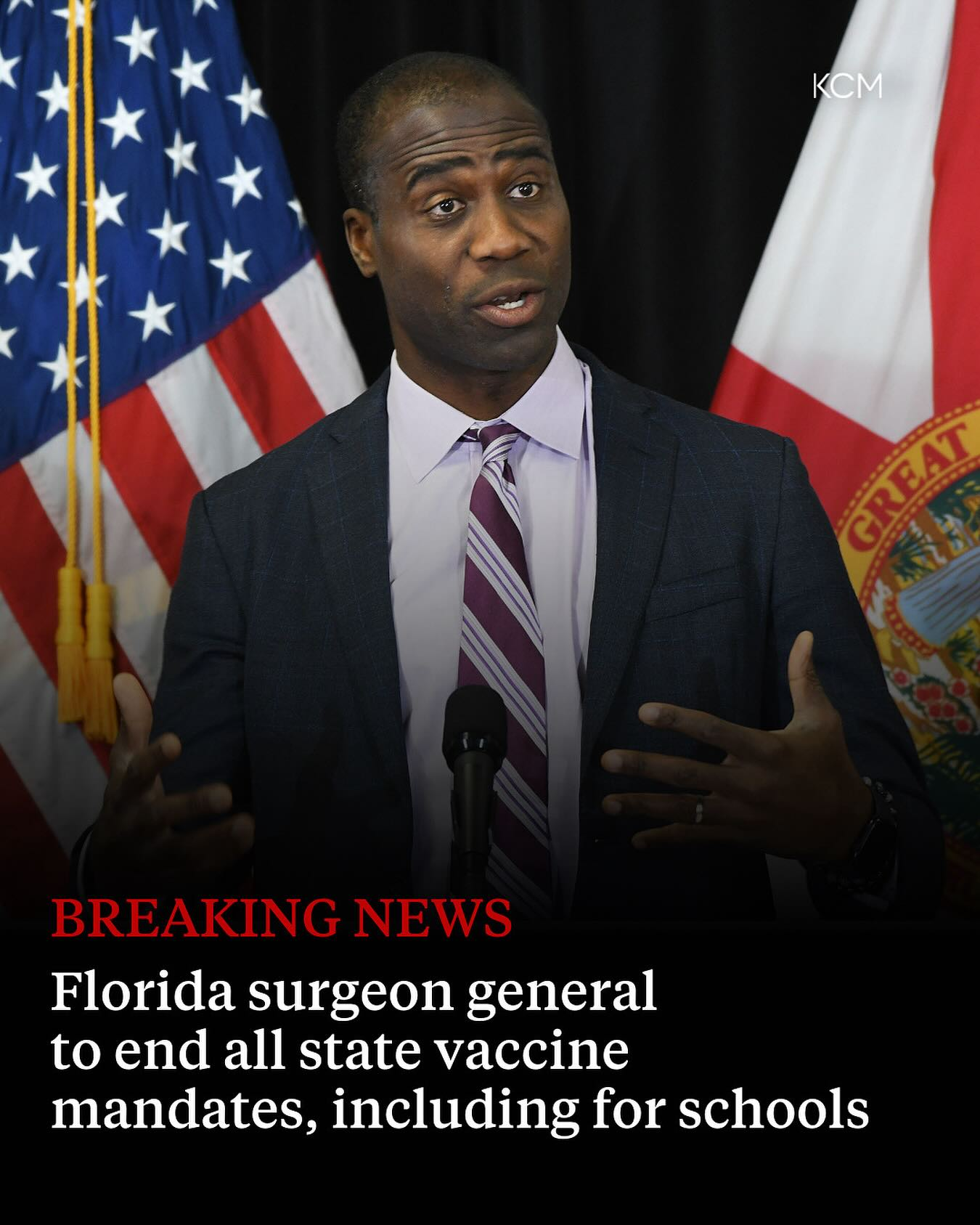
It was reported by ABC News, that on Sept. 3, Florida Surgeon General Joseph Ladapo, with the support of Governor Ron Desantis, announced his plans to end all school vaccine mandates,making Florida the first state to do so. These vaccines include mandatory immunizations students are required to have before attending school.
These vaccines helped many parents feel safe when sending their children to school. However, during an interview with the American Thought Leaders podcast, Ladapo called the practice “immoral,” saying it’s not the role of anyone or organization to dictate what people put into their bodies.
“Obviously, there are special circumstances, like when people join the military. But just in general, everyday life … It’s just completely inappropriate,” said Ladapo. “If you own anything, you do own your body just as you own your free will.”
Although these vaccine requirements have not yet been fully eliminated, DeSantis is pushing to end them with an effort to make the ban state law. What does this all mean for Saint Leo and the state of Florida?
During his press conference, Ladapo explained that parents should have the right to make their own informed decisions about whether to vaccinate their children against certain diseases. However, Dr. Cheryl Kozina, associate professor of biology at Saint Leo, shares her thoughts on this.
“This would affect K-12 public schools where currently there are requirements for particular vaccinations for kindergarten and middle school,” said Kozina.
Kozina explains that while the impact this change will have on Saint Leo may not seem obvious at first, there is currently a requirement that all students living on campus either receive the meningococcal meningitis and hepatitis B vaccines or sign a waiver acknowledging that they understand the risks of not being vaccinated.
“It is unclear if this new policy would affect this requirement as well, though it likely would since the Florida Surgeon General [Joseph Ladapo] said ‘all of them’ when discussing which vaccine mandates he’d like to remove,” stated Kozina.
Dr. Laura Alfeld, chair of natural sciences and associate professor of biology, was also able to share thoughts on this matter.
“The absence of vaccine mandates for school children raises the spread risk of preventable, contagious diseases that are transmitted person-to-person through contact and proximity within classroom and school facilities,” said Alfeld. “This risk will be elevated for all members of a school community—students, faculty, staff, and administrators.”
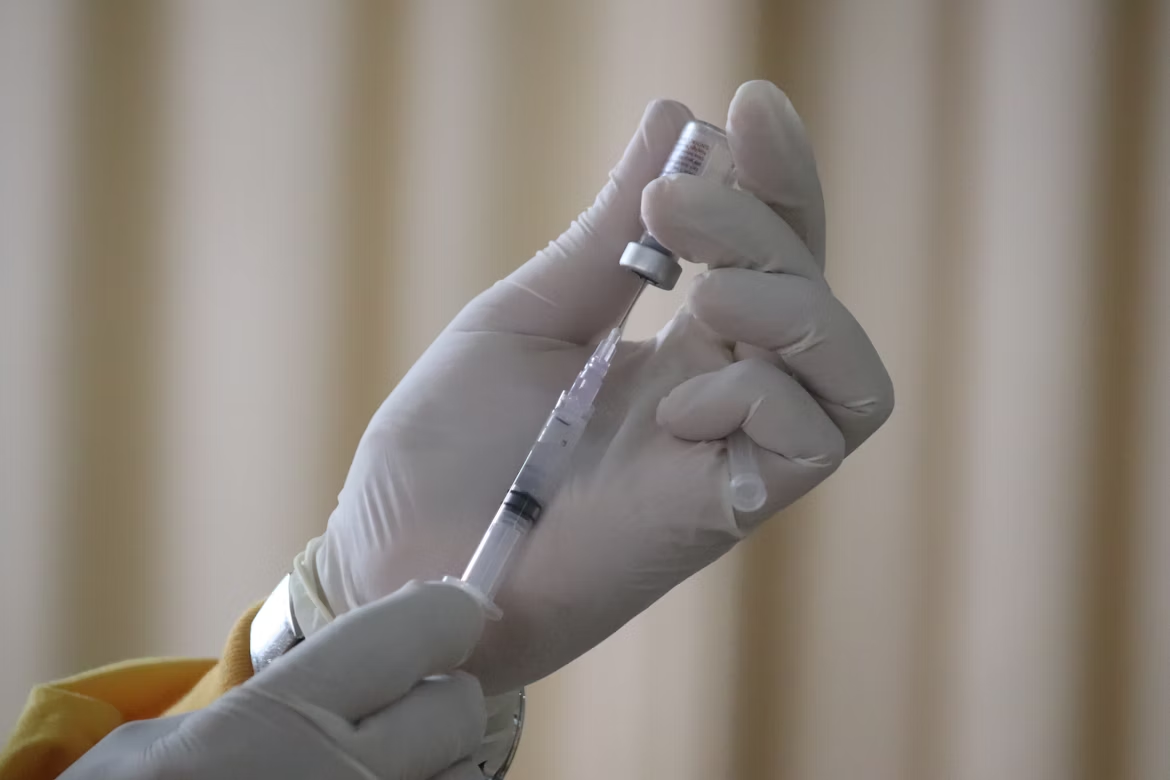
“Removing mandates may also limit easy access of vaccines that are (1) no longer stored in large quantities at medical offices (when demand goes down, supply similarly decreases), and (2) that will no longer be covered by insurance,” Alfeld added.
Critics of the law argue that with fewer students getting vaccinated, the chances of illness spreading could increase. However, this wouldn’t just affect students’ school life, but it could also have an impact on their families at home as well.
“We have to remember, too, that there are children who cannot be vaccinated because of things like childhood cancer diagnoses or immune system disorders. These vulnerable children rely on the herd immunity provided by high vaccination rates in their community,” said Kozina.
“If those vaccination rates start to drop, the families of these children may have to make tough decisions such as pulling their children from public schools and/or moving to a state with stricter guidelines,” Kozina added.
Despite this, in his interview on the podcast, Ladapo stated that he believes, when given good information, parents can make the best decisions for their children’s health. He also explained that he believes society is better when parents, not the government, have the power and responsibility to make informed choices about vaccines for students.
“On a practical level, what happens sometimes is that moms or dads may just want to, for example, spread some vaccines out, or they may not want to take particular vaccines because they have some concerns about their child’s sensitivity or their need for a particular vaccine. And for parents to be kicked out of pediatrician practices for that reason, it’s just wrong,” stated Ladapo.
However, not just students and their families would be affected by these changes if they do occur, institutions would also be affected as well as they navigate through how to accommodate both vaccinated and unvaccinated students.
“I would anticipate higher absence rates of all members of a school community—students, faculty, staff, and administrators—as communicable and preventable diseases spread through school populations,” stated Alfeld.
“While many children will ‘get over’ the illness and recover just fine, there are also children who will require hospitalization and/or suffer permanent disability from something like measles, chicken pox, or polio. Or they might also die, that happens too,” added Kozina.

However, beyond the obvious discussions of health concerns, many are also discussing how this may affect both safety and inequity.
In his interview on the podcast, Ladapo explained that while some vaccines, like measles vaccines help a lot with preventing transmission, countries like Sweden, Norway, Denmark, the U.K., and Canada all have high vaccination rates without vaccine mandates. This just shows that safety and public health can still be achieved even without all the vaccine mandates, however many others do not share the same views.
“Children who get sick risk permanent disability, and all of the inequities that go along with that. There is also an issue of access to hospital beds; if hospitals can’t predict how many patients they will have, due to an inability to prevent/predict outbreaks, then we run the risk of running out of beds, particularly in pediatric units,” said Kozina.
“Inequity of easy vaccine access and insurance coverage can contribute to more families choosing not to vaccinate, not because they don’t want to, but because they have limited access to them,” stated Alfeld.
As more information about these potential changes is hitting the news, more people are letting their thoughts on this matter be known, as their goal is to protect their community.
“To be clear, I support individual choice, but we already have processes in place for individual and family exemptions,” said Alfeld. “The lack of vaccine mandates has trickle-down effects that can significantly impact public health and exacerbate socioeconomic divides.”