

By Alina Rezepova, Staff Writer
The smell of pine trees, rustling gifts, and joyful laughter mark the beginning of the beloved holiday, Christmas; but, behind the festive cheer lie piles of plastic waste and discarded wrapping paper. Is it possible to preserve the spirit of Christmas without damaging the environment?
Every year, at the beginning of December, people stock up on all sorts of pre-Christmas items, often buying more than they need. Naturally, after the festivities, all the excess purchases end up in the trash, creating a significant environmental problem.
Based on the U.S. Environmental Protection Agency (EPA), the volume of household waste in the United States increases by about 25 percent between Thanksgiving and New Year’s Day.
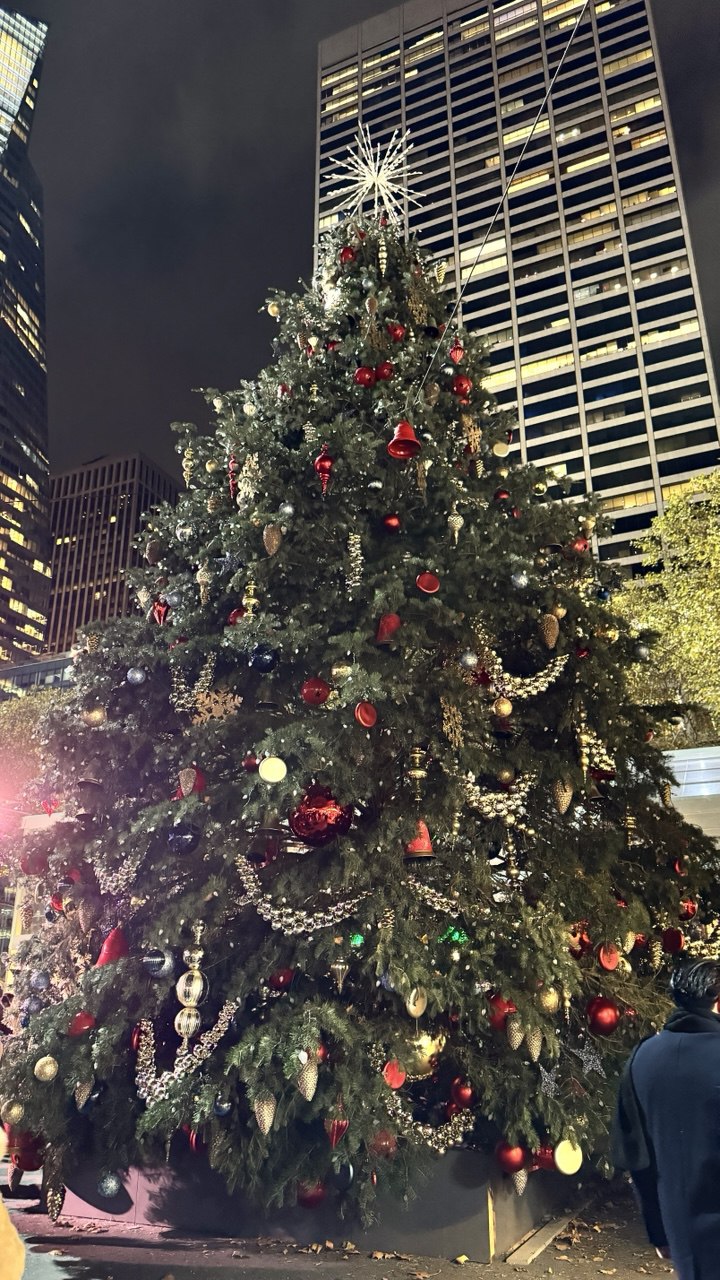
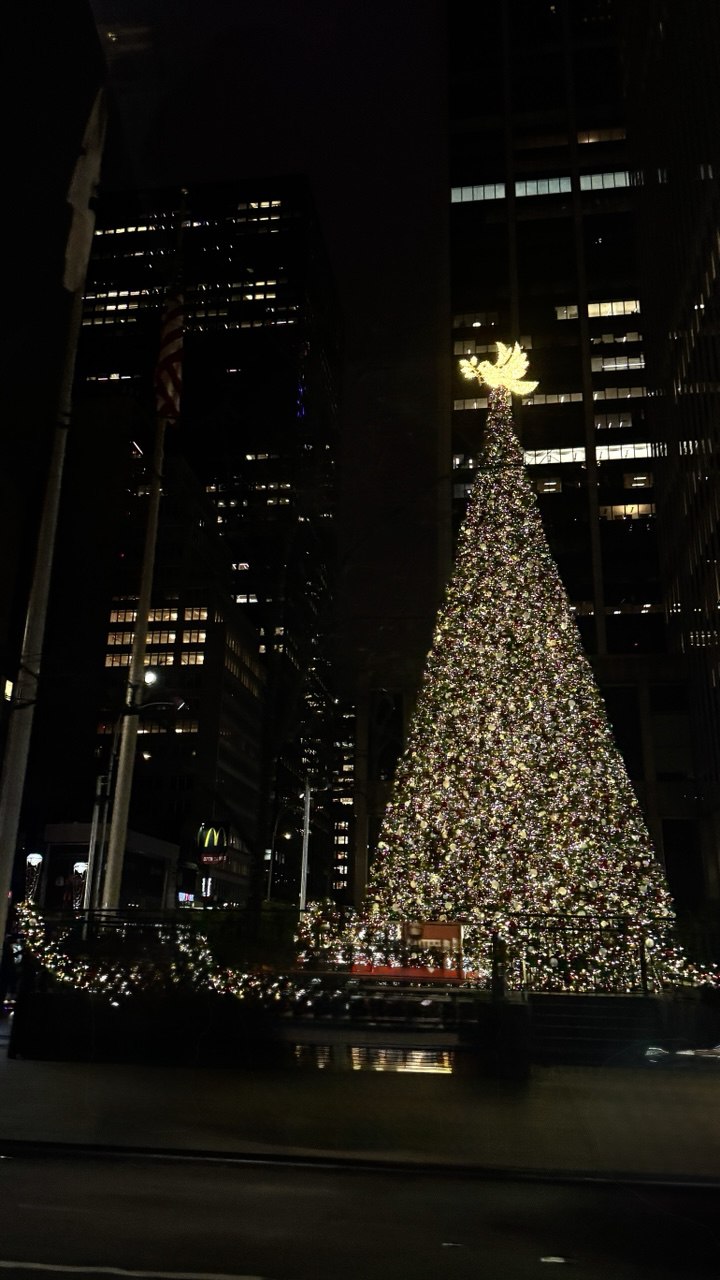
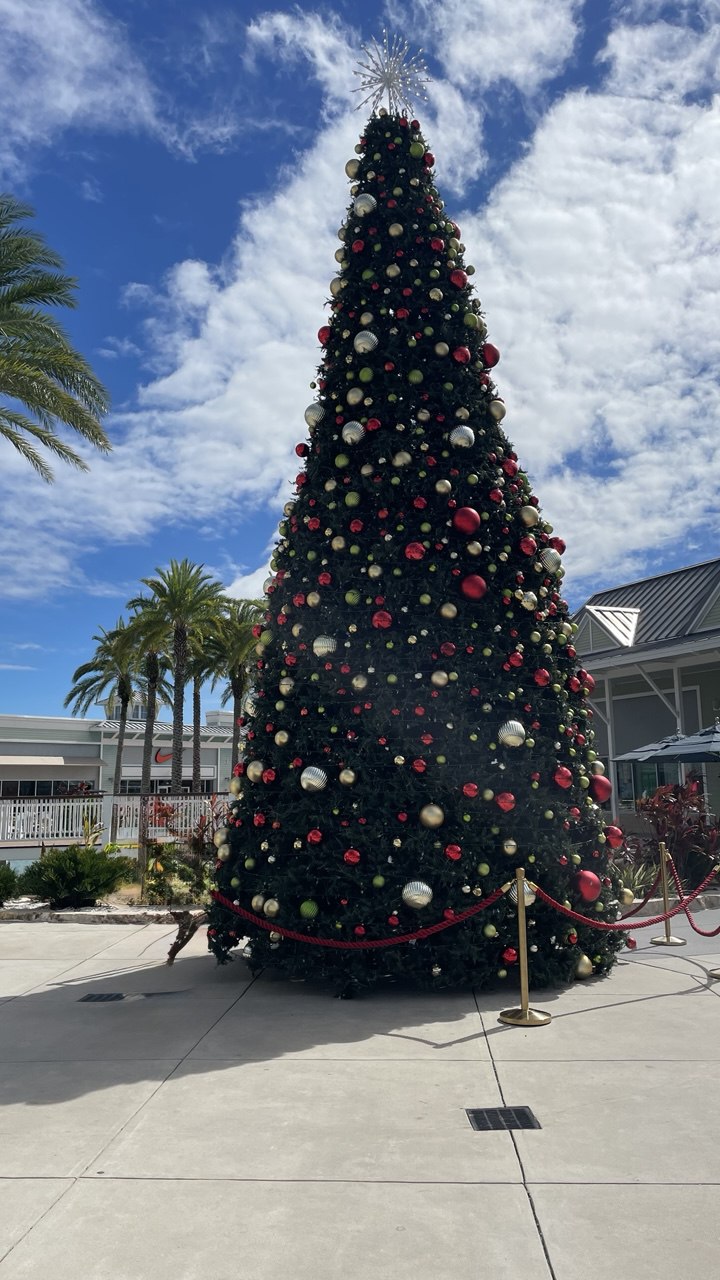
One of the most important Christmas decorations is the Christmas tree. Choosing between a real or an artificial Christmas tree is a small decision that has a big impact on the environment. The Christmas tree is the most iconic symbol of the holiday, and, every year, millions of people contemplate which tree is more environmentally friendly: an artificial or a real one.
Dr. Christopher Miller, professor of biology and ecology at Saint Leo, along with Brianna Ortega, a sophomore student majoring in sports business at Saint Leo, shared their thoughts on this topic.
“Artificial trees hurt the environment because, typically, they are made of materials that do not break down once they are thrown away. Toxic plastics and metals require manufacturing and long-distance shipping,” said Dr. Miller.
“But, because they are reused every year, the trees’ initial impacts are lessened year-over-year. Real trees have some negative impacts, too. Many real trees are grown in monocultural plantations and require many pesticides and fertilizers,” added Dr. Miller.
“I think an artificial tree is more environmentally friendly because you can use it multiple times. In my family, we have a Christmas tree that we have used for the past 15 years,” said Ortega.
The National Christmas Tree Association stated that after the holidays, trees can be chipped into biodegradable mulch, which replenishes soil in landscapes, parks, and schools. Also, when sunk in ponds, they provide excellent refuge and feeding areas for fish.
Although this option seems more environmentally friendly, it still raises the question of how willing people are to properly recycle a natural Christmas tree after the holidays. Often, it is an entirely different situation when the natural Christmas trees are sent to the landfill after Christmas rather than for recycling.
The topic of using an artificial or natural Christmas tree remains a controversial issue that people have been trying to solve for years.
“I feel like the artificial [Christmas tree] was probably more environmentally friendly because you can use them each year. However, I know that we use a real one in my house because it gives it a more natural scent,” said Yulissa Barrios, a junior student majoring in marketing at Saint Leo.

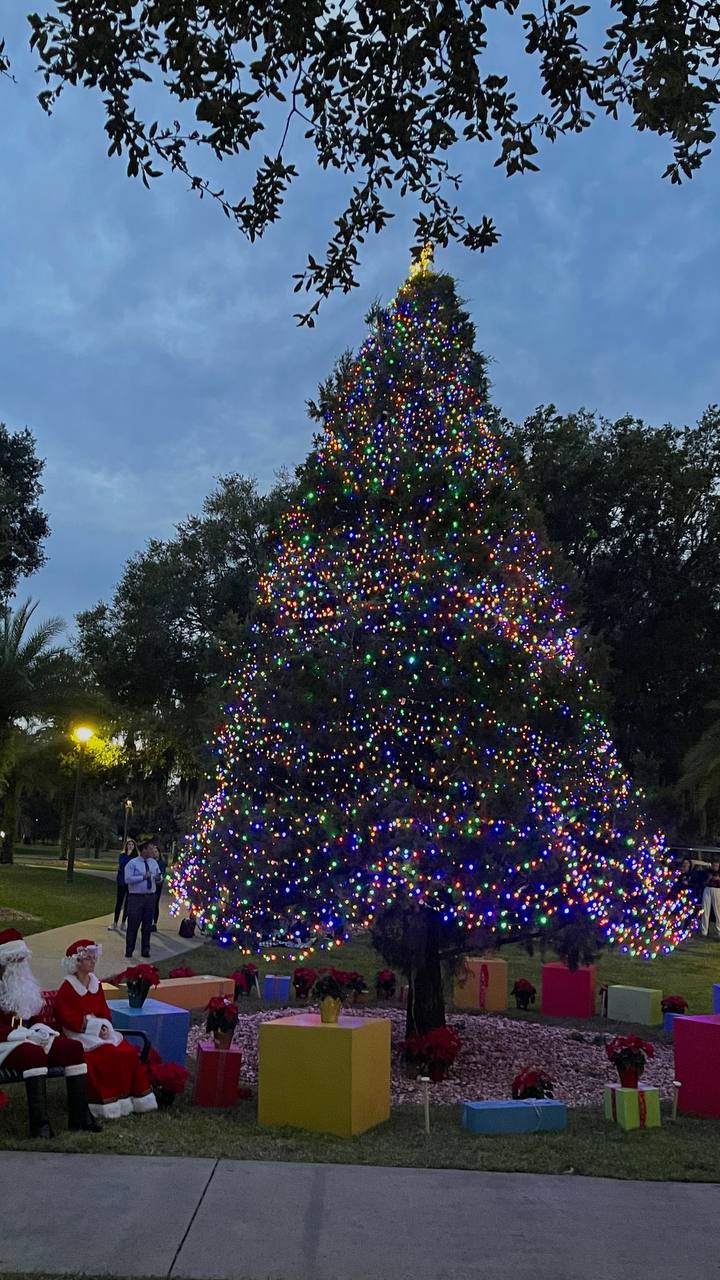
“The best solution is to have a live Christmas tree that can be replanted later,” said Dr. Miller.
According to ArboristNow.com, one sustainable alternative is to use a live Christmas tree in a pot, which can be replanted outdoors after the holidays. Such trees continue to grow, purify the air, and eventually become part of the local ecosystem, benefiting wildlife and nature.
Furthermore, ArboristNow.com points out that people who live in private homes can plant small evergreen trees in their yards, allowing them to grow year after year while adding natural beauty to their property and supporting the environment.
During the Christmas season, such a tree can be decorated outdoors, creating a festive atmosphere not only for the household but also for everyone around, without causing harm to nature. After the holidays, all that is left is to remove the decorations, allowing the tree to keep growing, producing oxygen, and providing shelter for birds and small animals.
The choice between a real and artificial Christmas tree should be conscious and thoughtful. It is not so much about which option is chosen, but rather that resources are used as efficiently and environmentally friendly as possible.