
By Brianna Brinker, Campus News Editor
During the month of February, pink surrounds us through decorations, candies, and flowers. It not only is the color that represents Valentines’ Day, but it has so much history behind it; everyone has a different story with pink!
What do our minds automatically think of when we hear “pink”? Girls.
Pink is represented as a female color. A lot of clothes, products, and toys were targeted toward girls growing up by using pink.
Before we were even born, most of our loved ones picked out pink clothing and pink hairbows for their girls to wear!
During gender reveals, pink is most commonly used for a girl and blue for a boy. It has been a symbol for females since the 1950s!
Pink is often associated with nurturing, love, compassion, youthfulness, and femininity. These qualities are commonly linked to how society describes women.
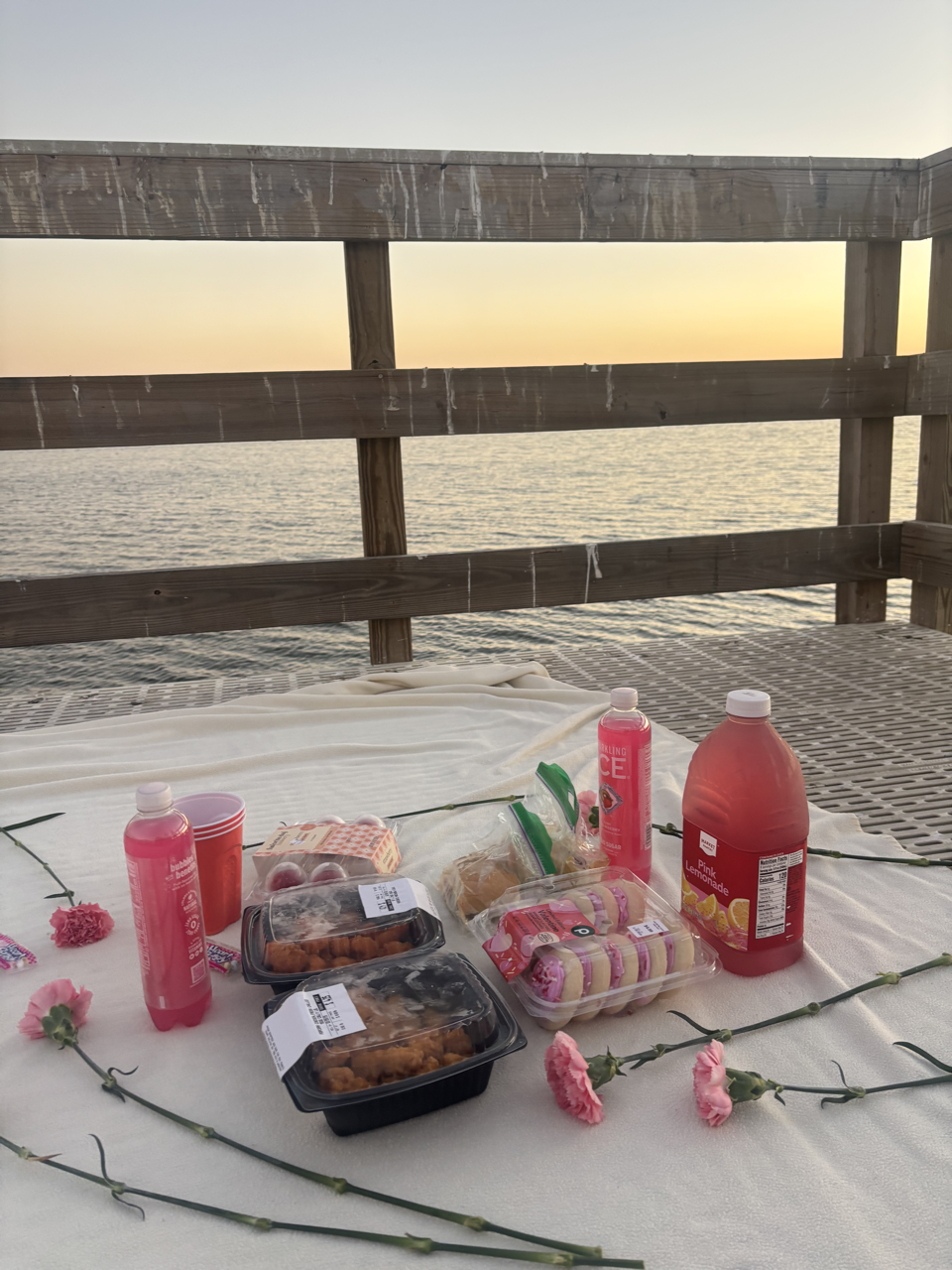

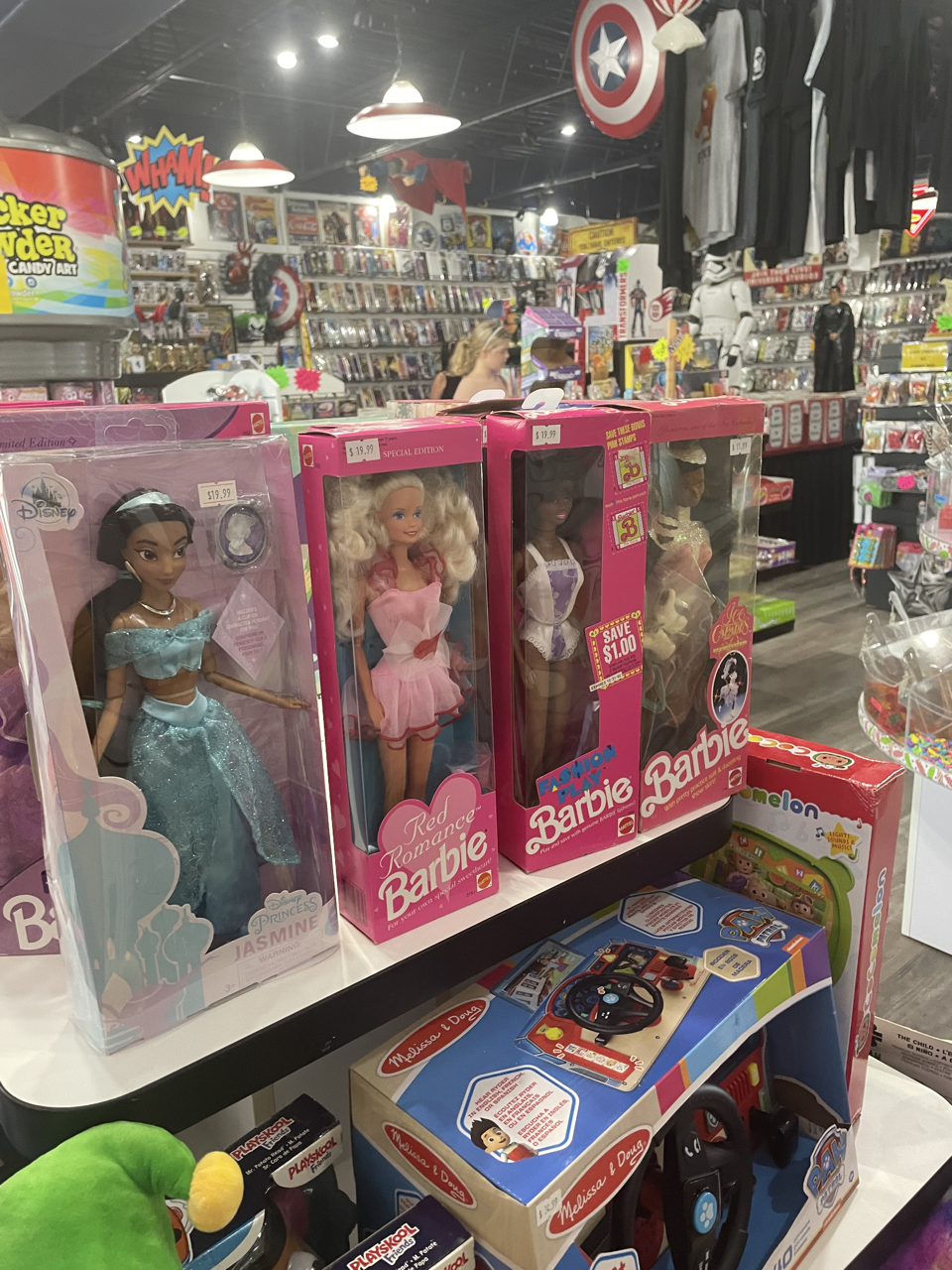
Madison Melendez, a senior majoring in criminal justice, with a focus in homeland security, said, “I associate pink with happiness. It makes me feel bright and emboldened.”
There is so much psychology behind pink. Pink is the most favored color for females; a lot of girls have an emotional connection towards it.
During childhood, most girls wore pink. As kids, there was some pressure for girls to pick pink because it is a “girly” color. Even for guys, there was pressure to not like pink due to its labels. Even if men do like pink, they won’t wear it much.
If you grew up with siblings, then you know what “assigned color” means. Every sibling gets a different color growing up. It’s the color your parents picked for you when you were born. For example, with twins, one is assigned pink and the other is assigned purple. That is the color you get everything in as a child.
Some women don’t like pink now because their whole childhood was pink-themed, and some women love pink now even if they didn’t as a kid. We are constantly changing and so are our favorite colors.
“At first, I did not like pink growing up. It felt very girly to me and at the time; I didn’t connect with that. Now, as an adult, I enjoy owning pink things and wearing pink items,” said Melendez.
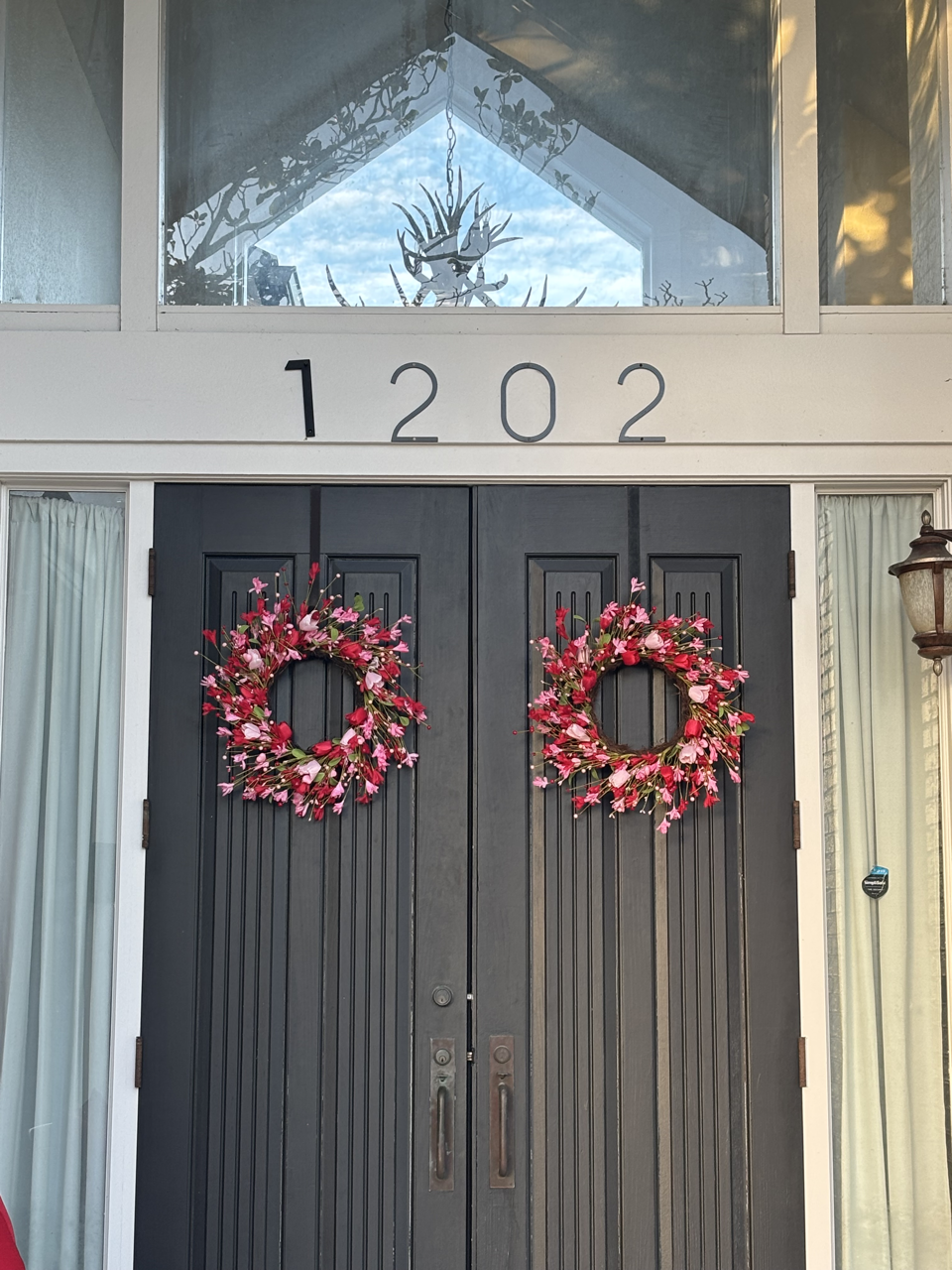
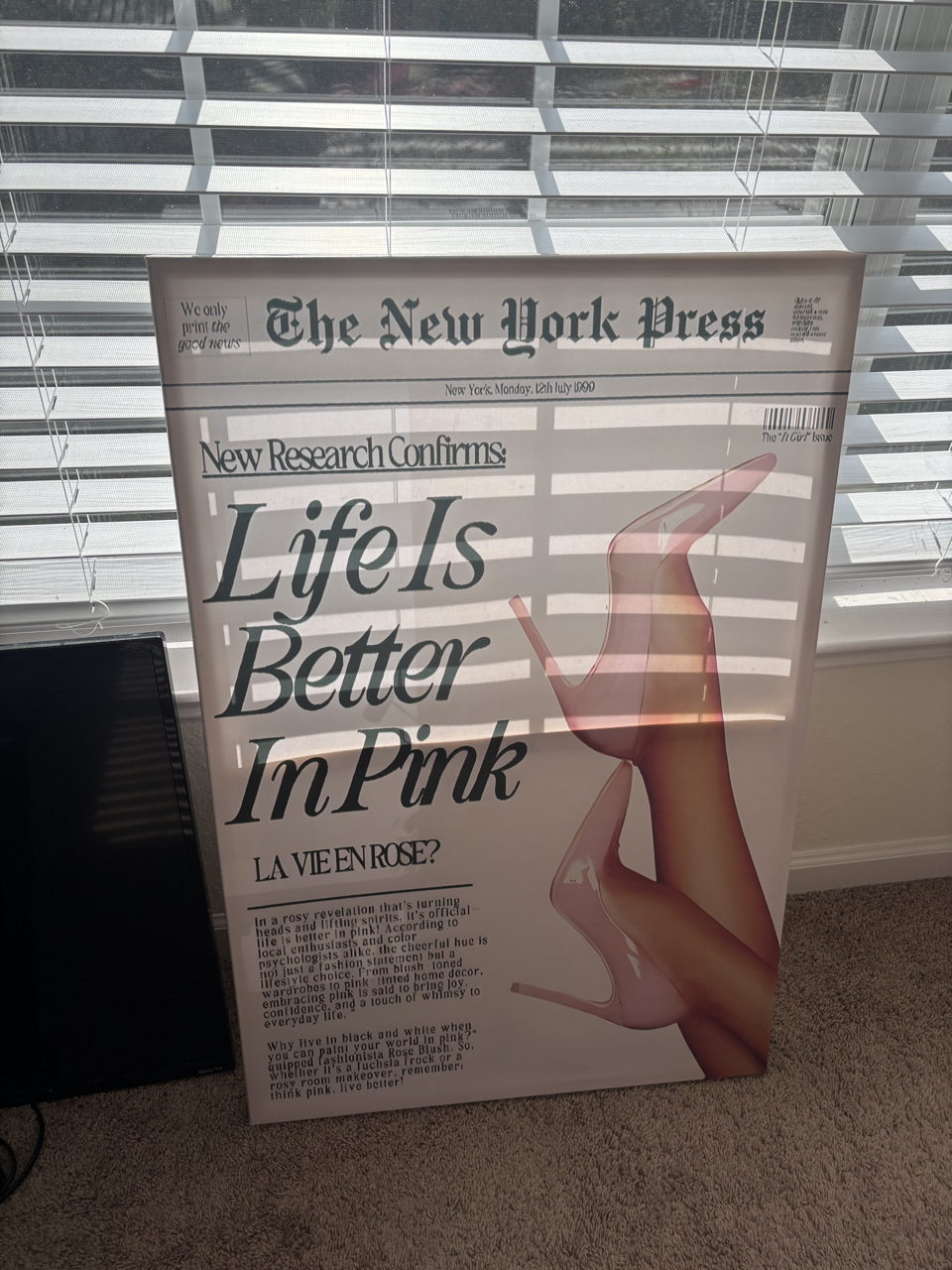
People also use pink to express themselves. Pink is found in fashion, used as decoration in houses, jewelry, cars, shoes, and hair.
Tamar Olguin, a senior majoring in clinical psychology, said, “Pink is one of my favorite colors ever since I was little. I love pink so much that my freshman year of college up until my sophomore year, I had bright pink hair streaks. Pink reminds me of a time where I was so happy and free even just with the choices of my hair color.”
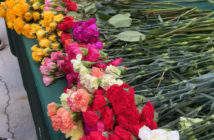
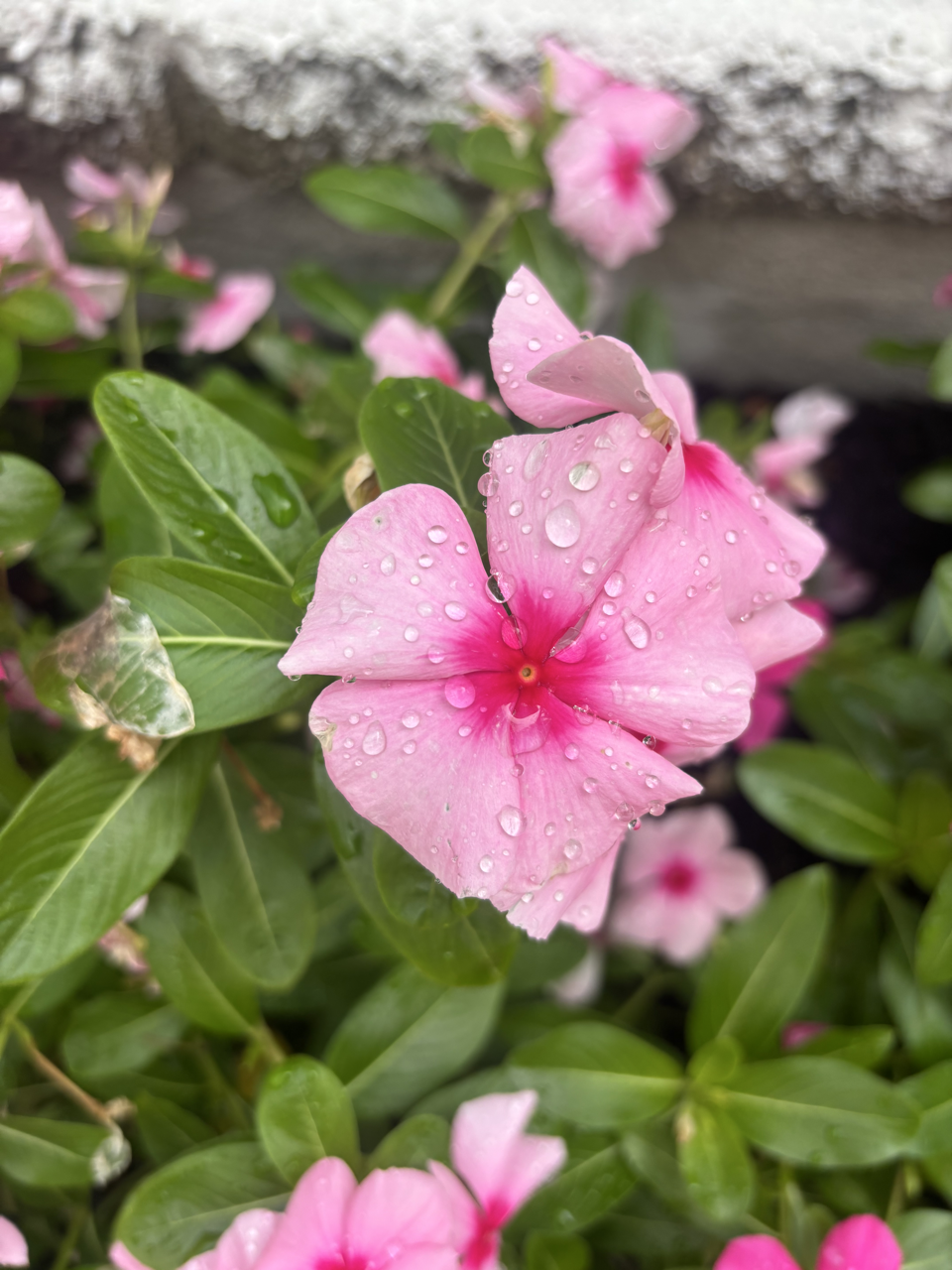
Pink is everywhere. It’s in the sunrises and sunsets, flowers we walk by, cotton candy, bubble gum, flamingos, and seashells. Pink is a beautiful color because it’s a part of the amazing creations of the world.
When you see pink, whether it’s your favorite color or your least favorite, remember it often shows up on Valentine’s Day to spread love and joy in our friendships and relationships. Pink has a real meaning behind it, and you can find it all around you.