


By Alina Rezepova, Staff Writer
February is the month of the heart in the U.S.A. Throughout America, people are reminded of the importance of taking care of the cardiovascular system, but students often experience stress, sleep little, and eat improperly. How realistic is it to maintain heart health, and how does the campus help with this?
“In my nursing courses, heart health is integrated through both theoretical and clinical applications. Students learn cardiovascular pathophysiology, risk factor assessment, and evidence-based prevention strategies such as lifestyle modification, medication adherence, and patient education,” said Kathleen Garnett, instructor of nursing at Saint Leo University.
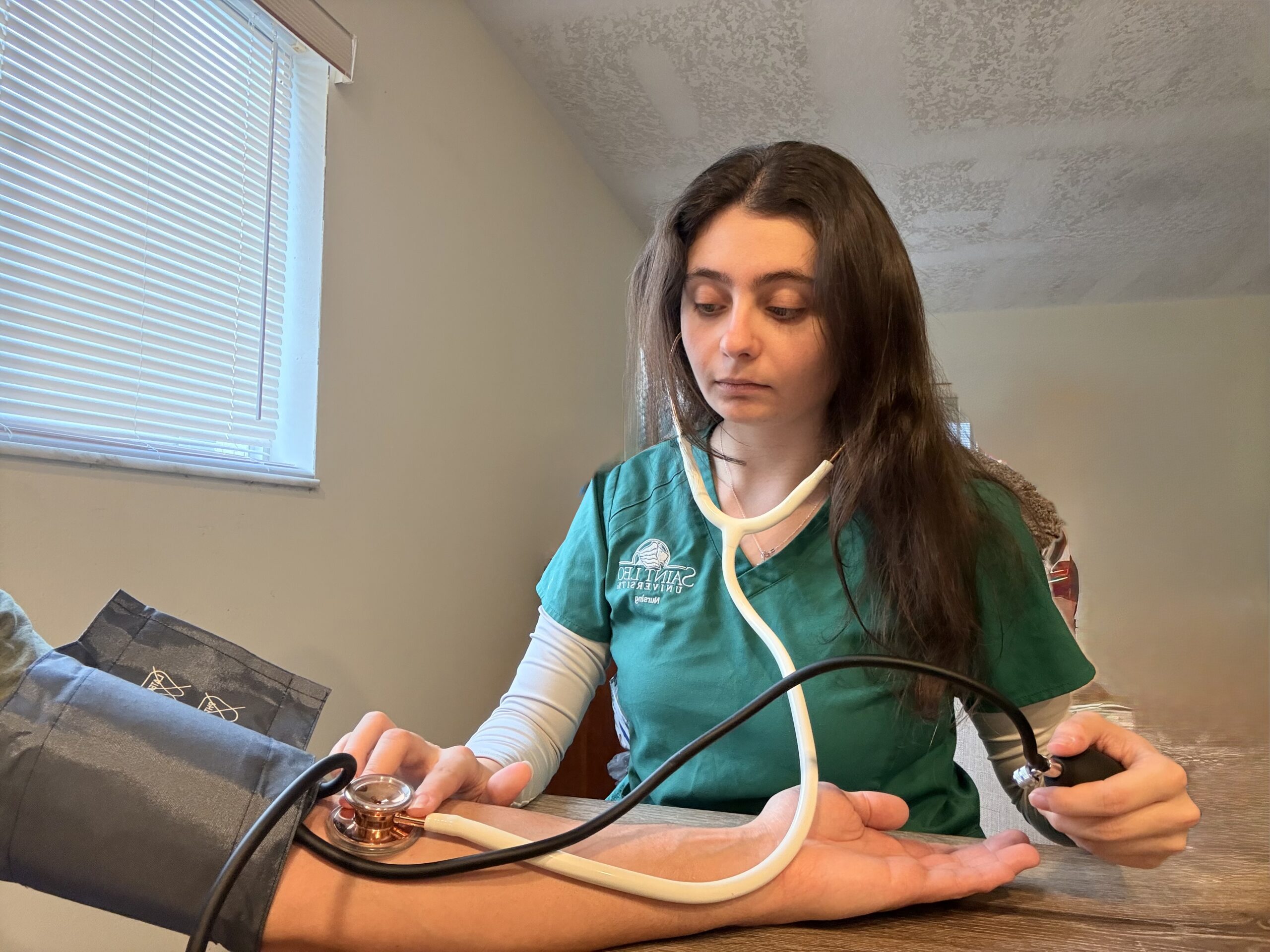
Practical skills are equally important in the process of studying human organs. Students in the classes learn how to measure blood pressure, recognize the first signs of cardiovascular problems, and advise patients on nutrition, physical activity, and stress management. Such skills help future medical professionals not only understand theory but also apply it in real-life situations.
Real clinical examples are a particularly effective teaching method. They allow students to see how habits and lifestyle affect human health and form the skills of making the right decisions in emergencies. In addition, such examples help to understand the importance of prevention byinvolving students in discussions about how to change their lifestyle to reduce the risk of cardiovascular diseases.
Conducting health campaigns on campus has a positive effect even on those students whose major is not medicine. Students become more aware of health and learn how to support the body in stressful situations.
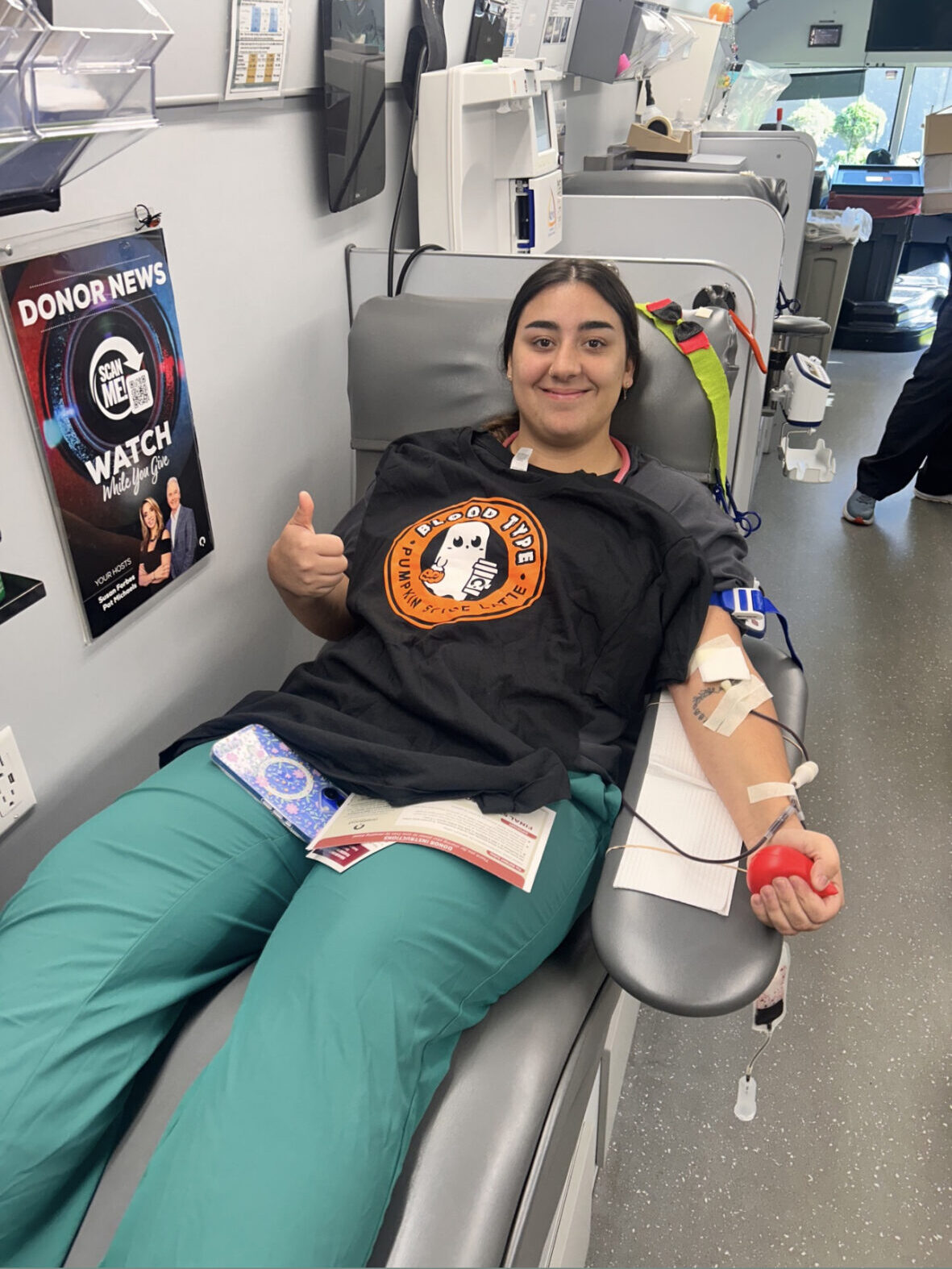
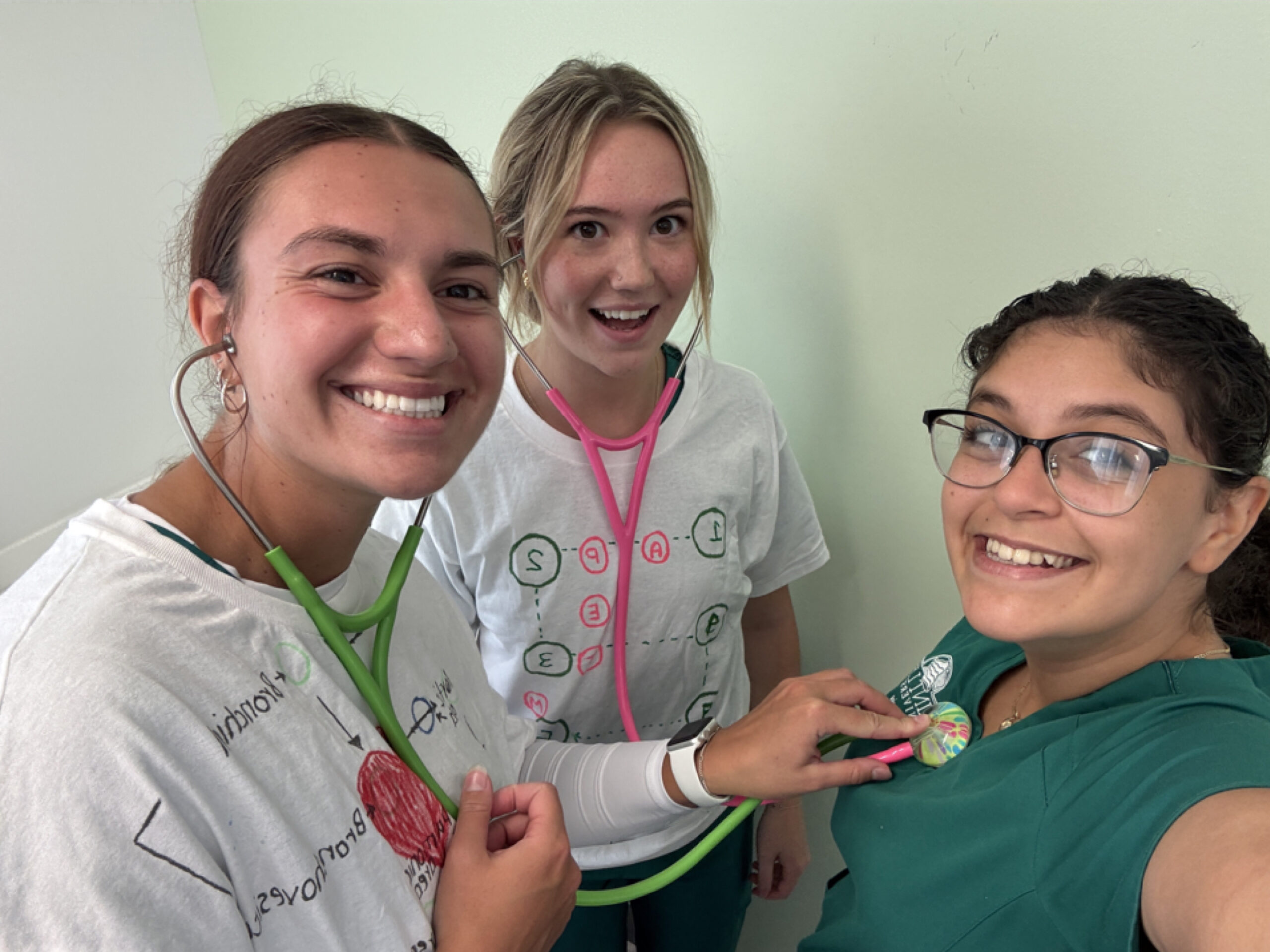
“Campus campaigns can be very effective when they are engaging, visible, and practical. Awareness initiatives help normalize conversations about health and encourage students to reflect on their own habits,” said Garnett.
“When campaigns include interactive components such as screenings, wellness challenges, or educational events, students are more likely to participate and make small but meaningful behavior changes,” added Garnett.
Despite the campus’s attempts to raise health awareness, students continue to face obstacles throughout the semester. Spending time at the computer trying to make assignment deadlines, frequent fast food, and skipping exercise increases the risk of developing cardiovascular diseases. While the consequences might not show immediately, the disease can develop over time.

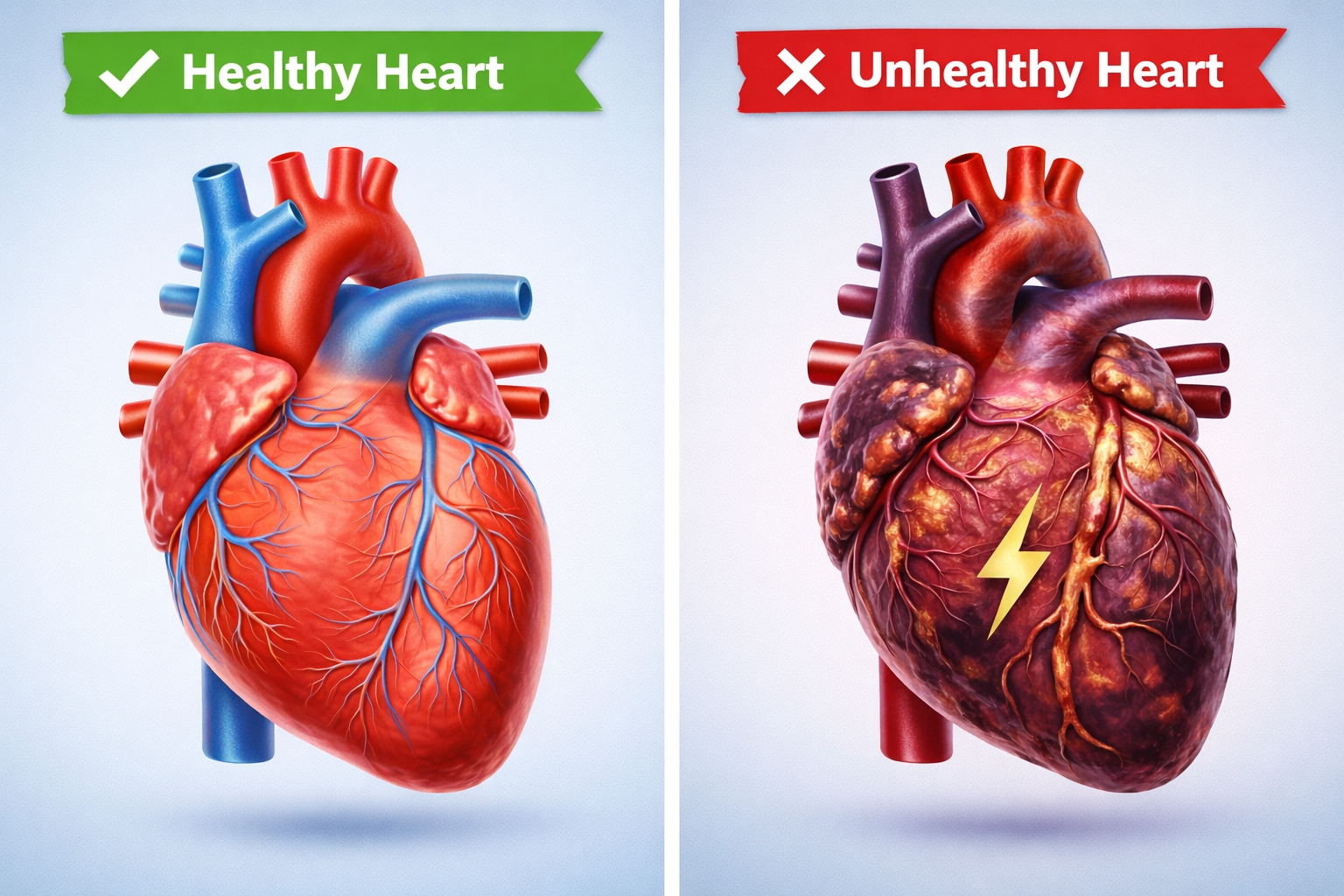
The habits of students today strongly influence their health in adulthood. Regular physical activity, balanced nutrition, and stress management can significantly reduce the risk of heart problems in the future.
“Many young adults may feel that heart disease is a ‘future’ problem and underestimate their current risk. Increasing education, accessibility to wellness resources, and supportive campus environments can help address these challenges and promote long-term healthy habits,” said Garnett.
Small, regular changes can lead to long-term habits.
Equally important is the participation of the dining hall, especially for those students who live and eat on campus. The dining hall directly affects the health of students and their future. By offering healthy meals and more vegetables and fruits, the dining hall could have a more positive impact on students’ health, as it would cause less temptation to choose unhealthy food.
Heart Month is a chance for everyone to reflect on their habits and health. By taking small but proper steps now, you can prevent many future problems, and your heart will benefit in the long run.