
By Sayuri Vargas-Hernandez, Staff Writer
Black History Month is an important time on campus, but many students feel that one month is not enough to honor the long history, culture, and contributions of Black people.
February brings events, speakers, and organizations that help students learn and reflect. During this month, the campus feels more active and intentional.
Some professors include more diverse materials in class, student organizations host programs, and conversations about race and identity become more visible. For many students, this attention creates a sense of recognition and belonging. It reminds them that their stories matter and deserve space.
However, other students feel the focus in February can sometimes feel temporary. They notice that once the month ends, the energy often fades.
Posters come down, events slow down, and discussions about Black History Month and Black student experiences become less common.

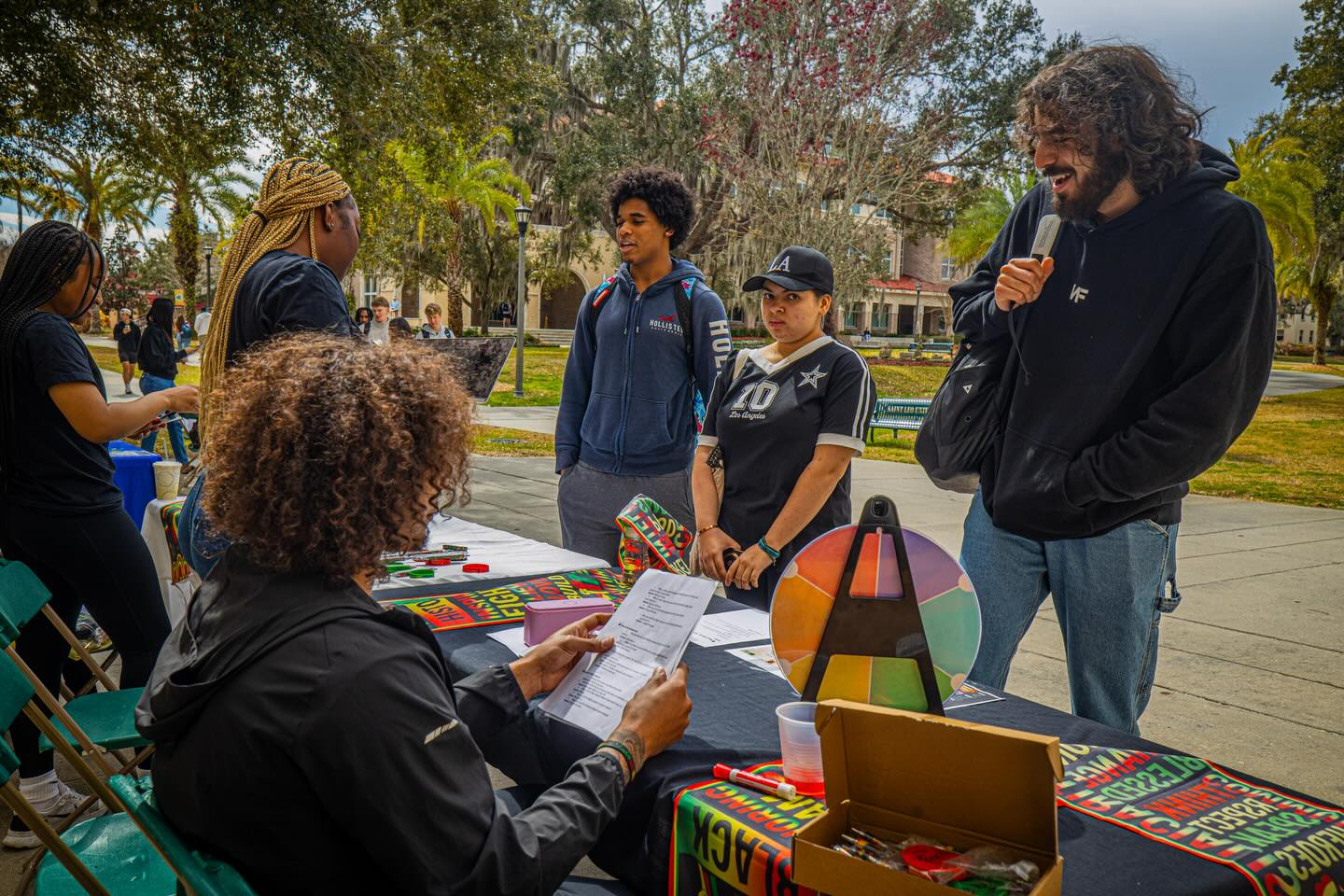

“I appreciate the spotlight on Black history and culture this month, but I believe it is important to create ongoing spaces where Black students feel supported, heard, and empowered year-round,” said Hope Smith, a senior majoring in business management and president of the Black Student Union.
Students who want year‑round support argue that Black history is part of American history and should be included in everyday learning.
This can happen by incorporating more diverse faculty members, providing more consistent funding for cultural organizations, and holding the university accountable to address ongoing issues that affect Black students, such as mental health support, campus safety, and leadership opportunities.
Black History Month should be a starting point that inspires long‑term action, not the only time the campus pays attention.
At the same time, many students still see value in having a dedicated month. They believe it creates space for education and celebration that might not happen otherwise. It encourages people who may not usually engage with these topics to learn something new.
It also gives Black students a moment to feel seen and appreciated. Even if the month is not perfect, they feel it opens doors for important conversations.


Across all these viewpoints, one message stands out: students want authenticity. They want events and discussions that feel meaningful, not just done out of obligation.
“As the President of the Black Student Union, my goal is to help create spaces where Black students feel seen, supported, and empowered every day, not just during one month of recognition. When institutions commit sustained action instead of temporary celebration, Black History Month becomes part of a larger, lasting culture of inclusion and belonging,” said Smith.
Black history awareness should continue after February, along with campus culture that recognizes Black voices every day.
Black History Month is powerful, but it becomes even stronger when the commitment continues throughout the year.