

By Elijah Penn, Copyeditor
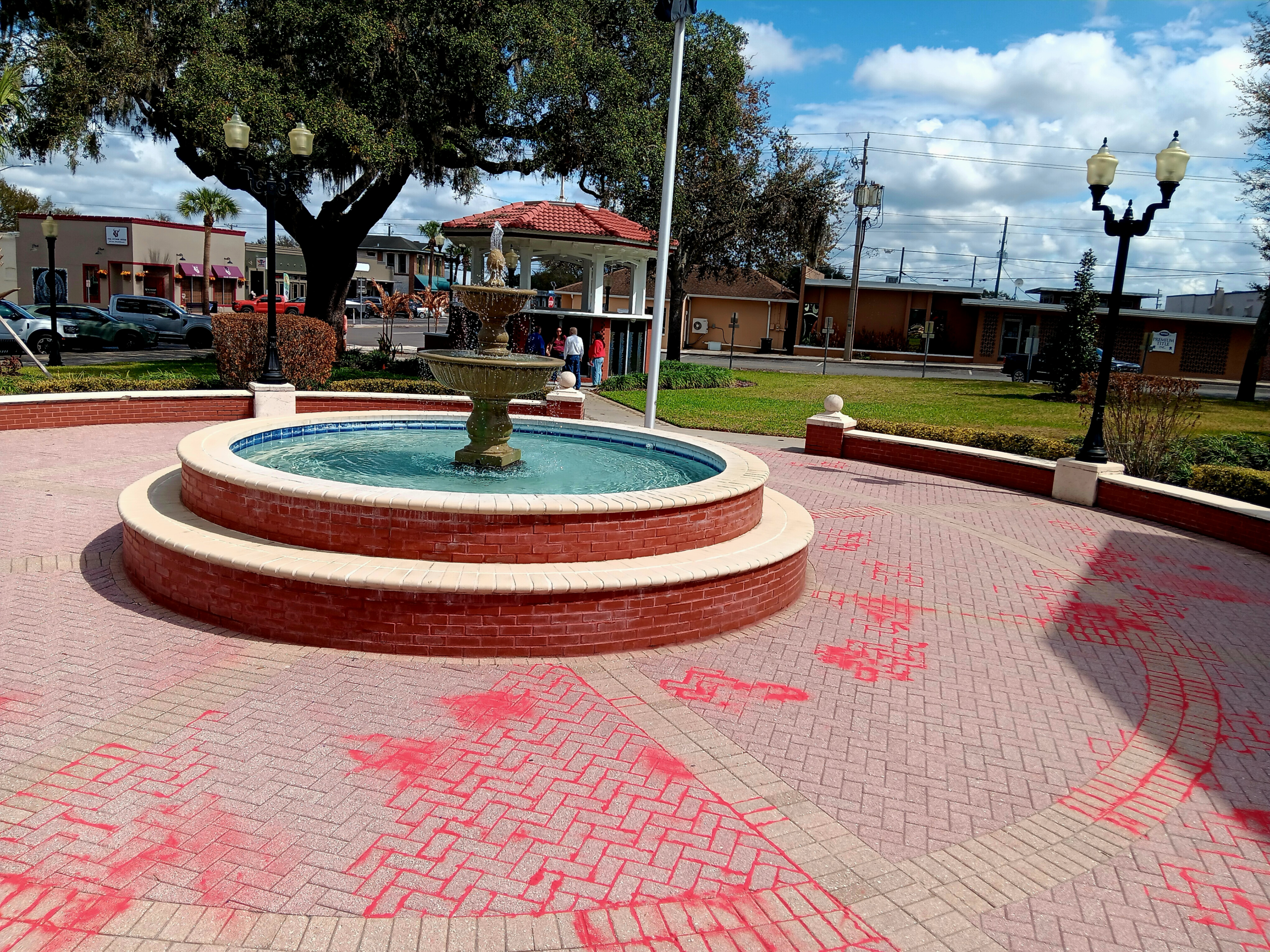
Anyone walking by the Historic Dade City Courthouse may have noticed red sand in the cracks of the pavement. What they may not know is that it was intentionally put there by community leaders to bring awareness to those who have fallen through the cracks in our system. Each grain of sand represents a life trapped in modern-day slavery.
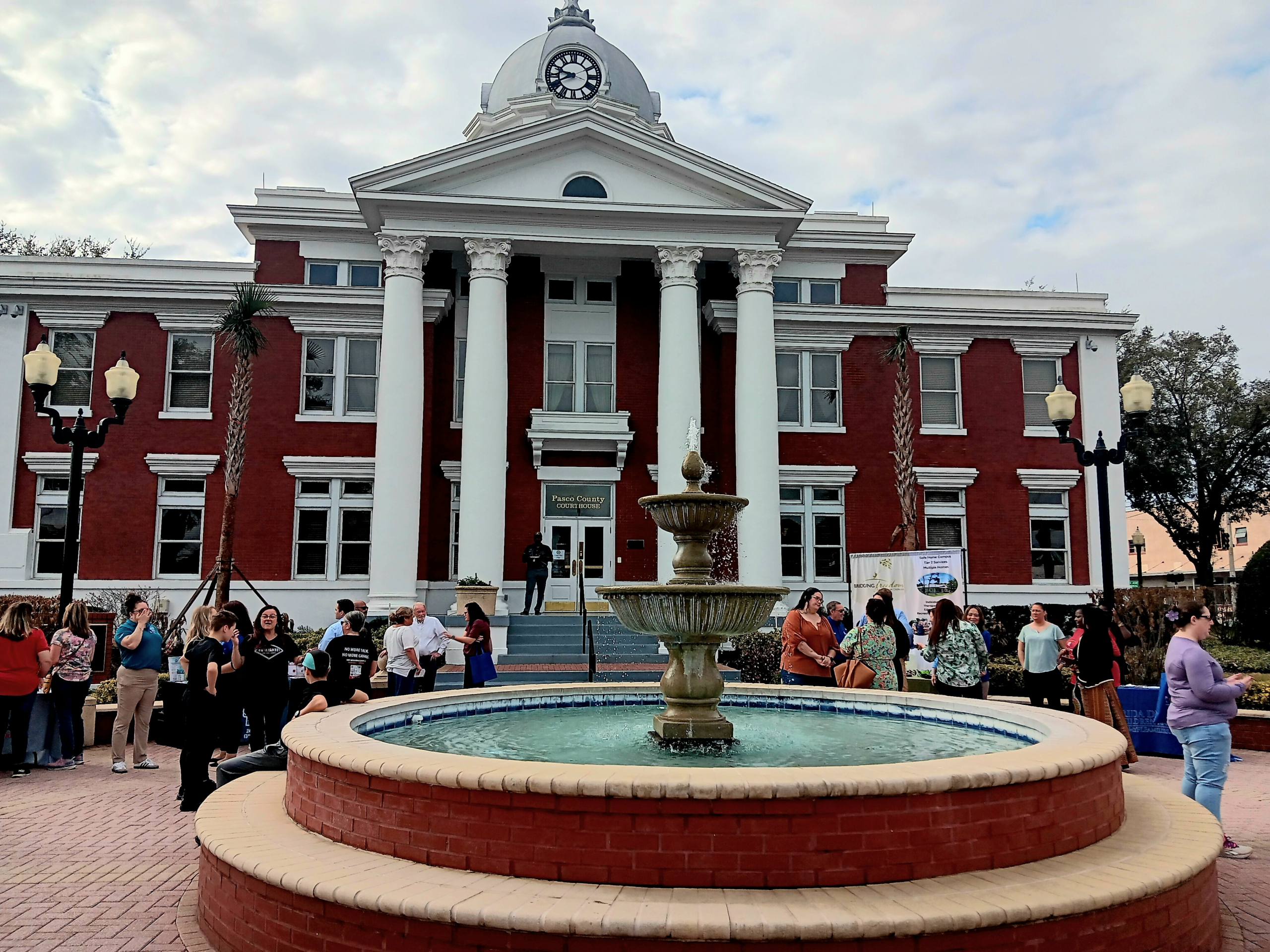
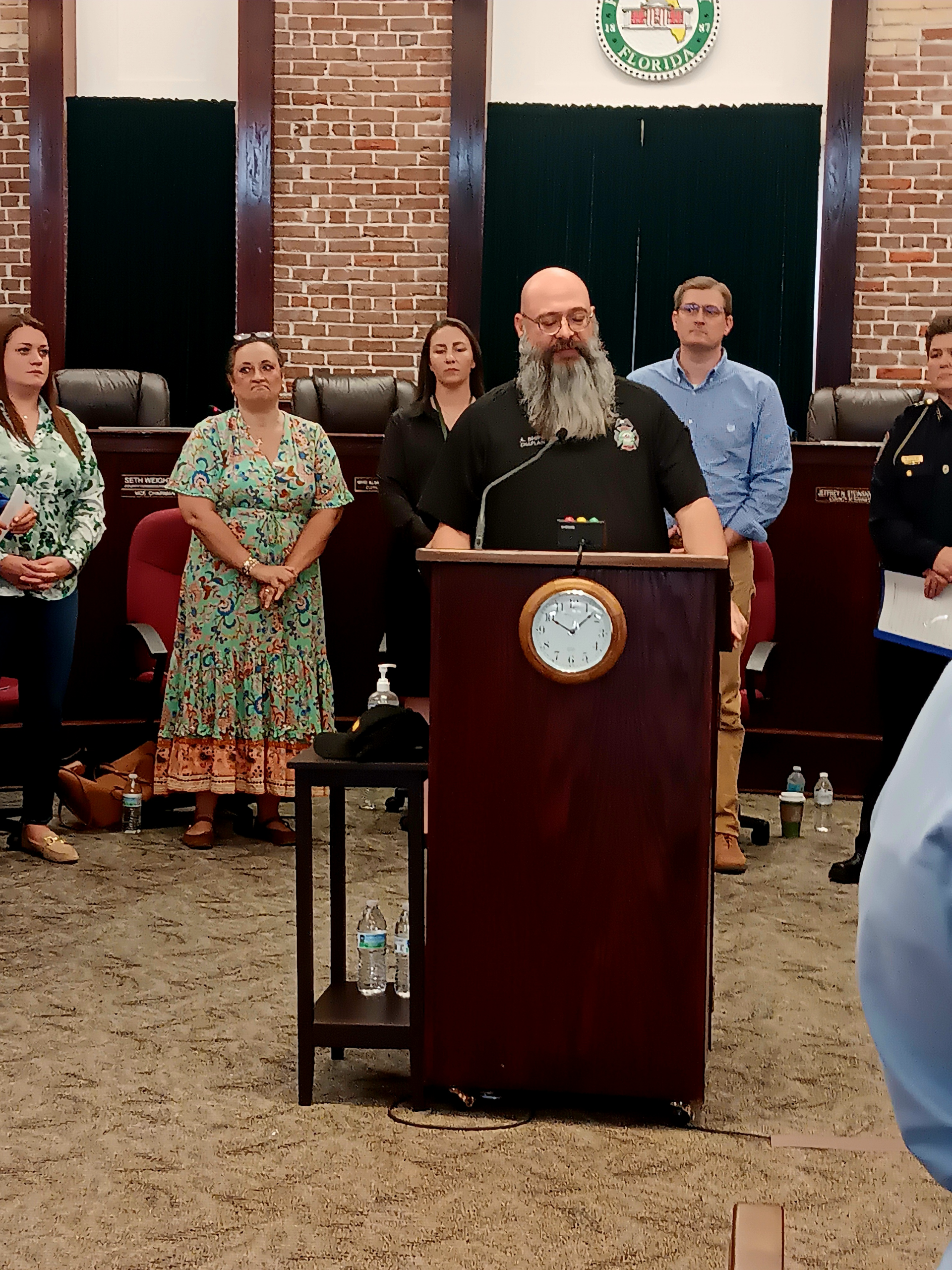
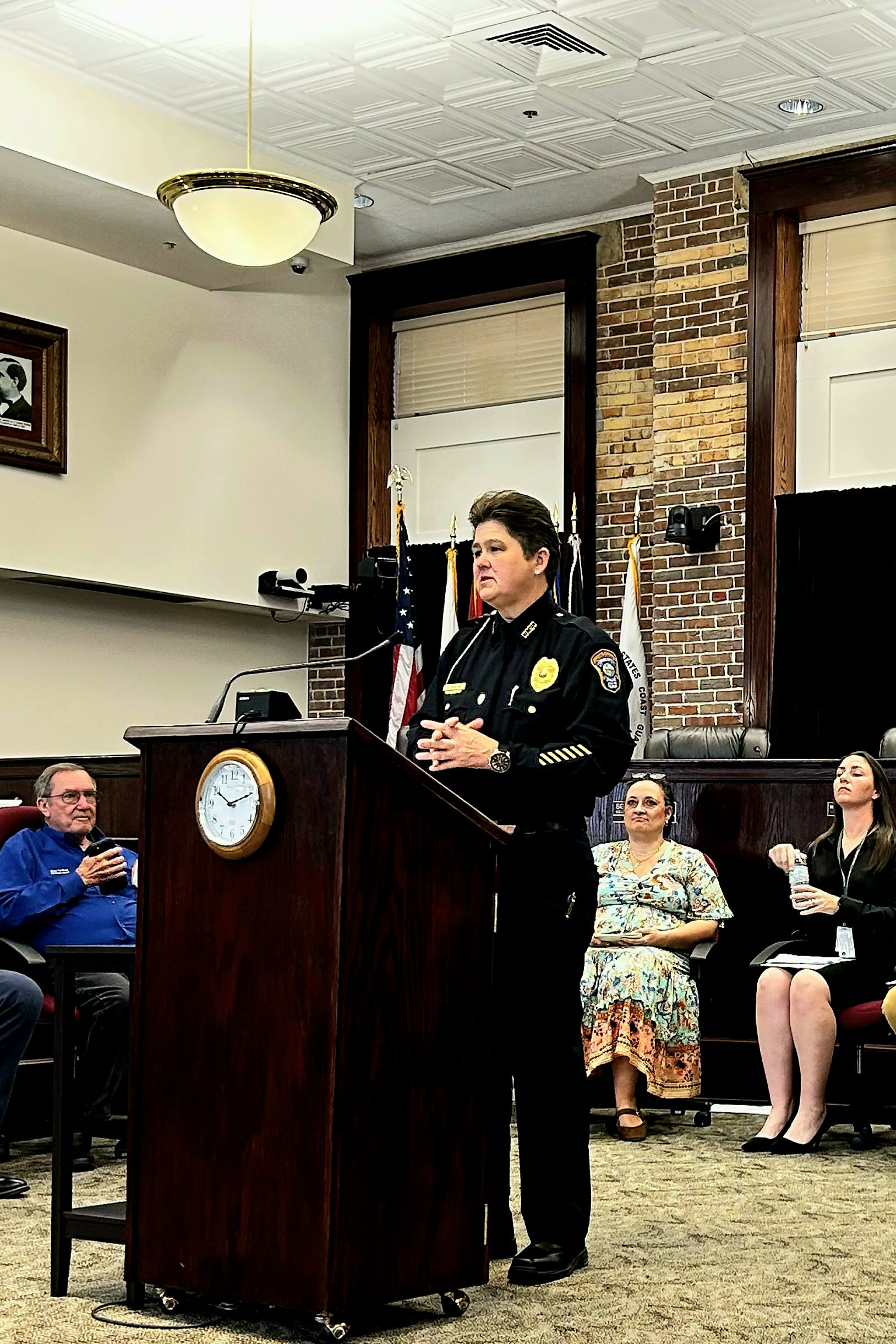
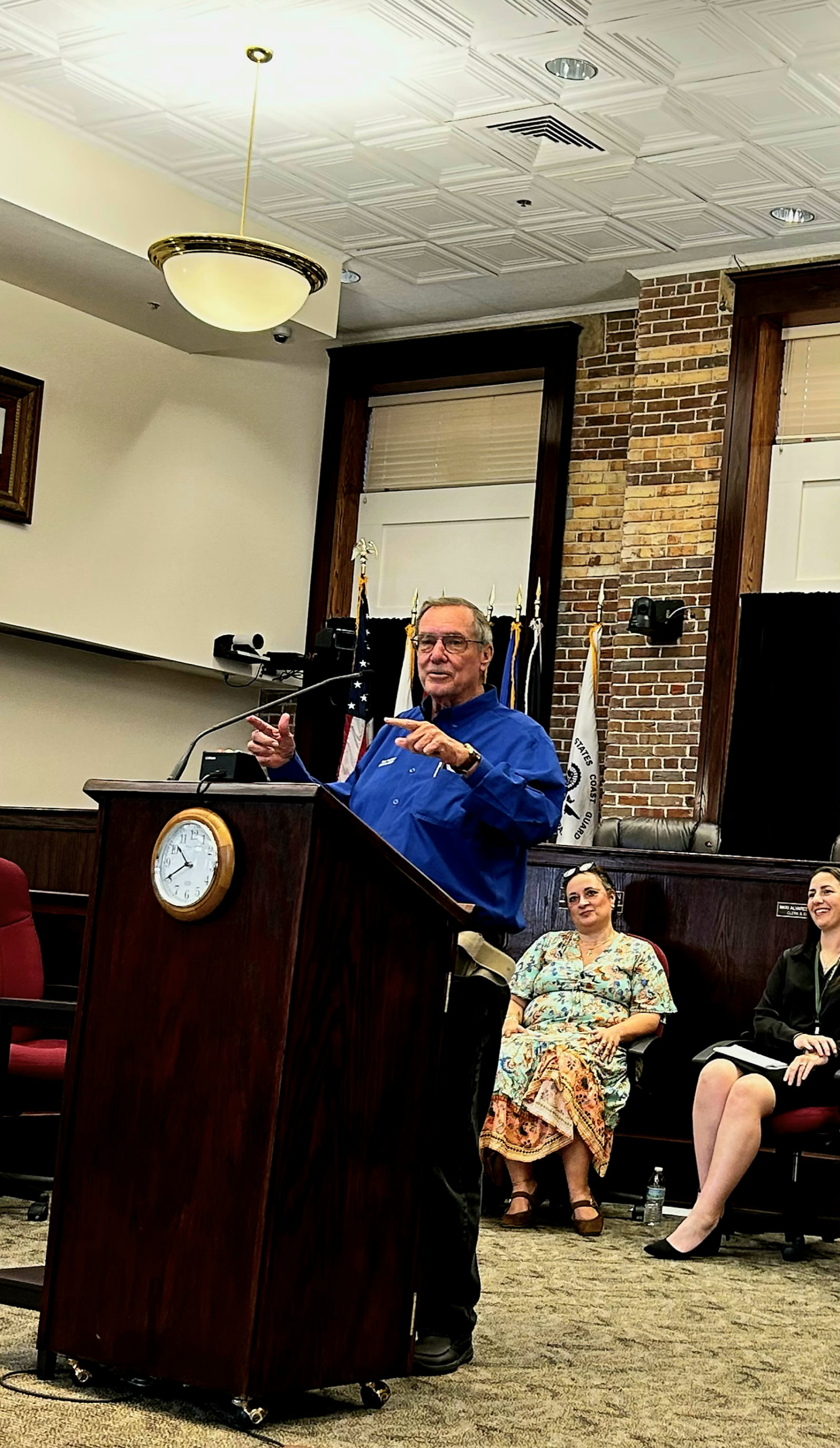
On Feb. 28, the Pasco County Commission on Human Trafficking hosted the first annual “Red Sand” human trafficking awareness event at the Historic Dade City Courthouse. A similar event was held on Jan. 31 at the West Pasco Government Center in New Port Richey.
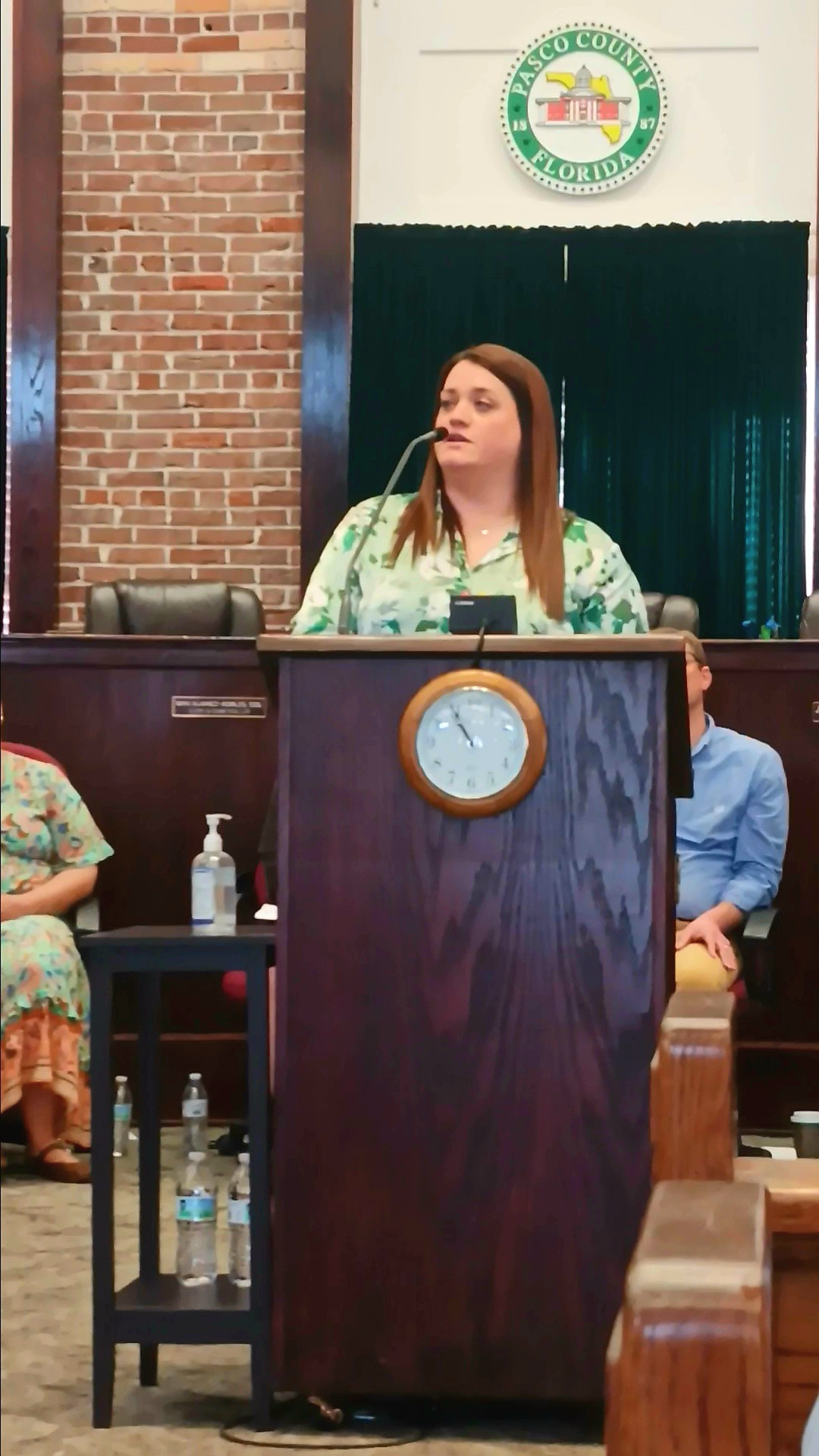
Vice Chair of the Pasco County Commission on Human Trafficking, Laura Medina, organized the event and introduced each of the speakers.
This year, the Pasco County Commission on Human Trafficking is celebrating its twelfth year. It has educated over 10,000 county employees on how to spot human trafficking, campaigned for policy changes, and presented Pasco County’s human trafficking model at a national conference last year.
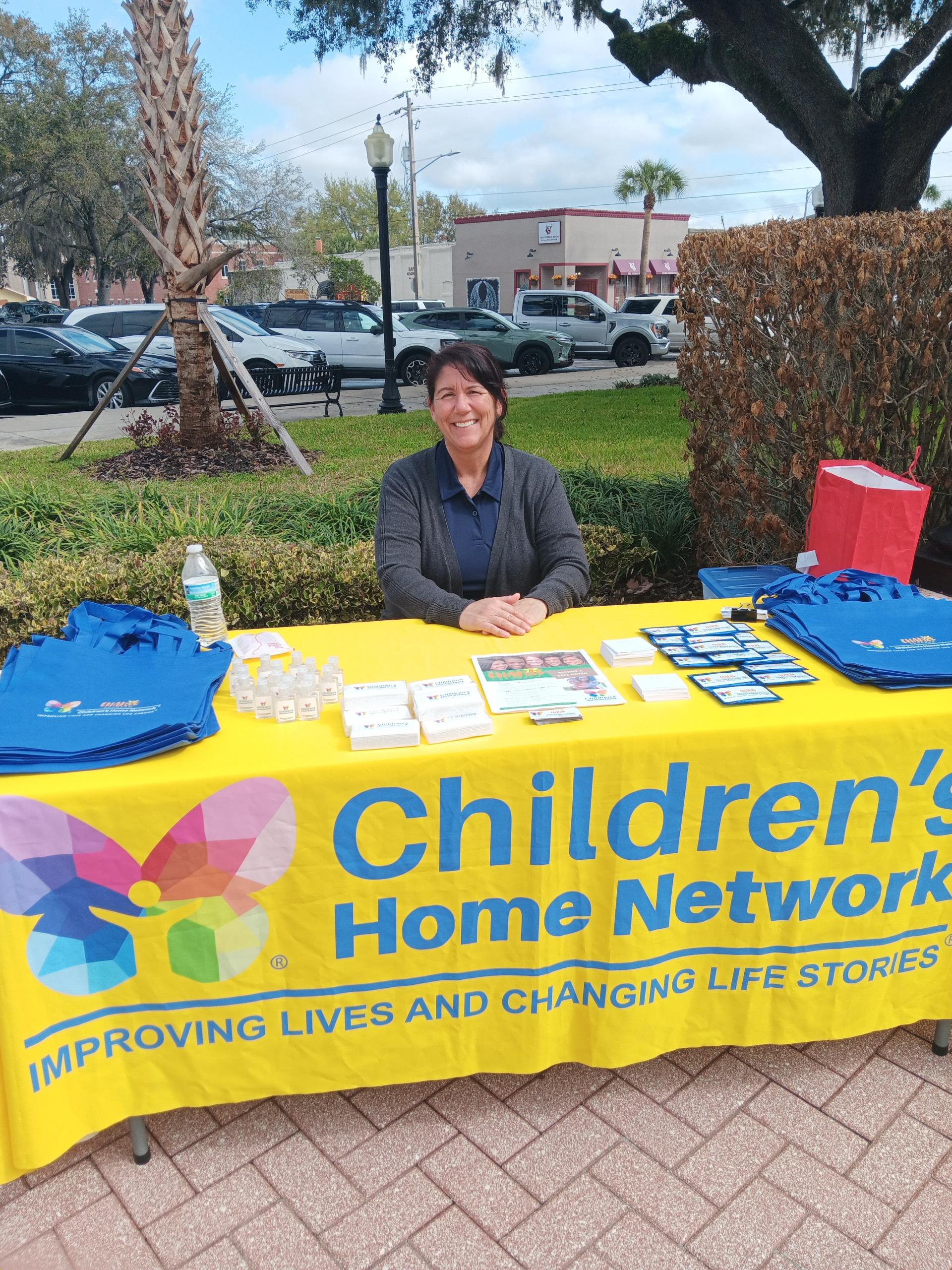
Overall, Medina says that the Commission continues to be the “hub for the different community partners to work with.”
Medina, a survivor of human trafficking herself, has been working to combat human trafficking since 2020 after coming out of that life in 2018 and recovering from trauma and addiction.
As a vulnerable foster child, Medina didn’t recognize what she was going through at the time was human trafficking until someone took the time to show they cared about her for more than what she could do for them and helped connect her with resources and programs.
“My goal … and my vision is to take what was done for me and spread that awareness so that it not only educates and encourages the public to take action, but to also let victims and survivors out there know that they matter,” said Medina.
The event featured a series of speeches by local and state-level political and law enforcement leaders and concluded with the testimony of survivor Stacie Ham of One More Child, who stressed that human trafficking doesn’t always play out as we expect.
Ham was trafficked by her father from the age of two. This vulnerability allowed her to be pulled into human trafficking by a friendly, white female supervisor later in her life.
“I will never forget one of the first times I came forward with my story, and somebody asked me afterwards, ‘I don’t understand why you didn’t leave. It’s not like the door was locked,” remembered Ham.
“Human trafficking doesn’t look like the force or the chains that we often see depicted, which is why I never recognized what I was going through with human trafficking. It just felt normal,” said Ham.
“I was surprised by how casual and normalized her experience was,” said Saint Leo University senior psychology major Raniyia King. “Her experiences were nothing like what movies or TV shows depict.”
King attended the event after learning about it from Sunrise of Pasco. To her, the event demonstrated Pasco County’s efforts to combat human trafficking in the community and fostered a sense of unity.
“The event allowed the community to meet new people, elected officials, and organizations helping to combat human trafficking,” said King.
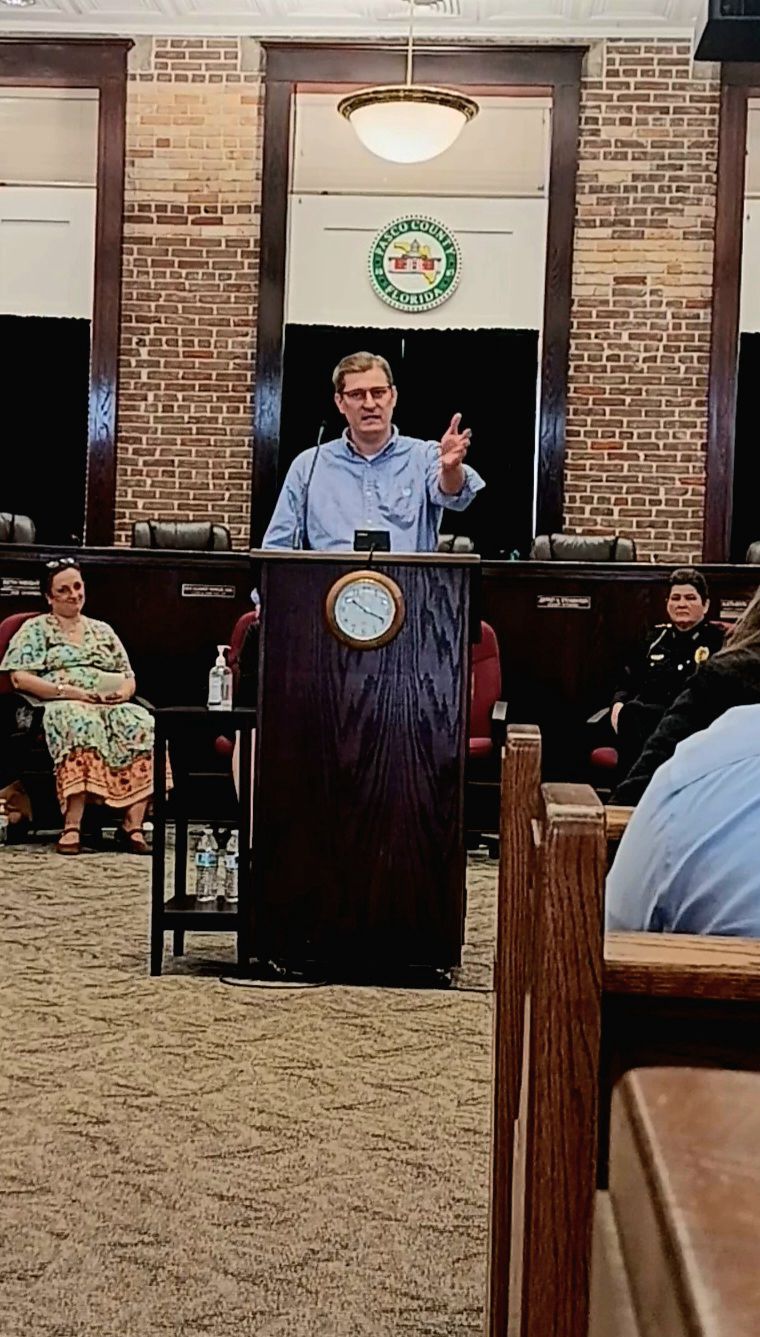
Medina stressed that anyone can make a difference in this fight; it only requires action and collaboration.
“That’s why we have this event: pouring of the red sand. It gives people an opportunity to take action in the moment,” Medina said.
“It’s so important when it comes to policies or legislation or really making change—it’s important to show the community that we can come together. We can take that time out of our busy schedules to make this message possible.” Medina added.
Even simple steps can make a huge difference.
Medina encouraged people to educate themselves about the realities of human trafficking and look for ways to volunteer “behind the scenes,” like making outreach bags or connecting with a local organization.
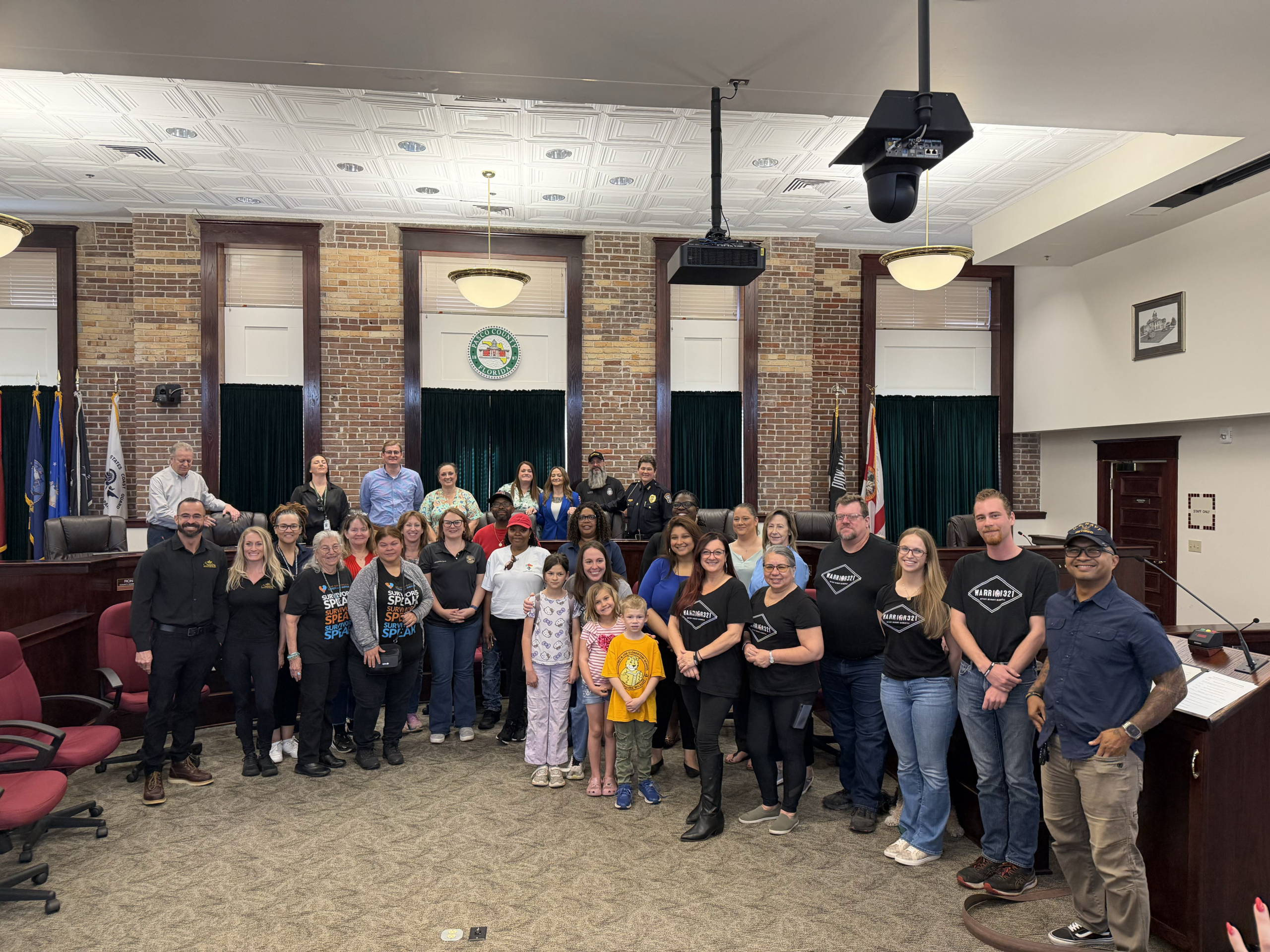
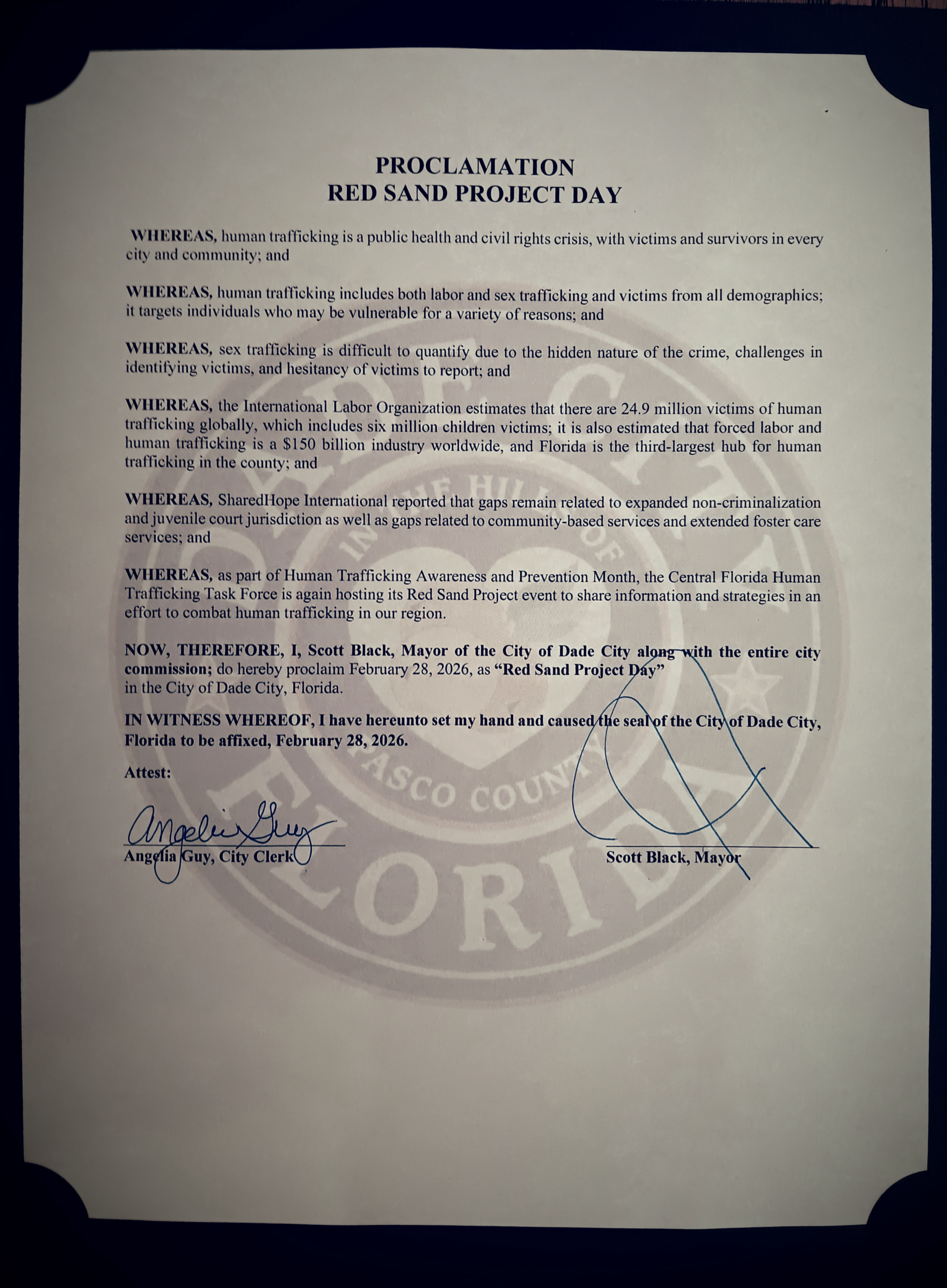
Awareness is a major first step toward change. The red sand is symbolic of seeing the victims and taking action to provide them with resources and prevent others from being lost in the system.
“As we get ready to pour the red sands in the crack of the sidewalk, we are acknowledging that there are people who have fallen through the cracks of the system, and I was one of those people,” said Ham
“Red sand represents those who fall through the cracks. These cracks exist in policies and institutions, and they are implemented all over. But these cracks can be repaired—that’s the beauty of it,” said Ham.