
By Katterina Becker, Staff Writer
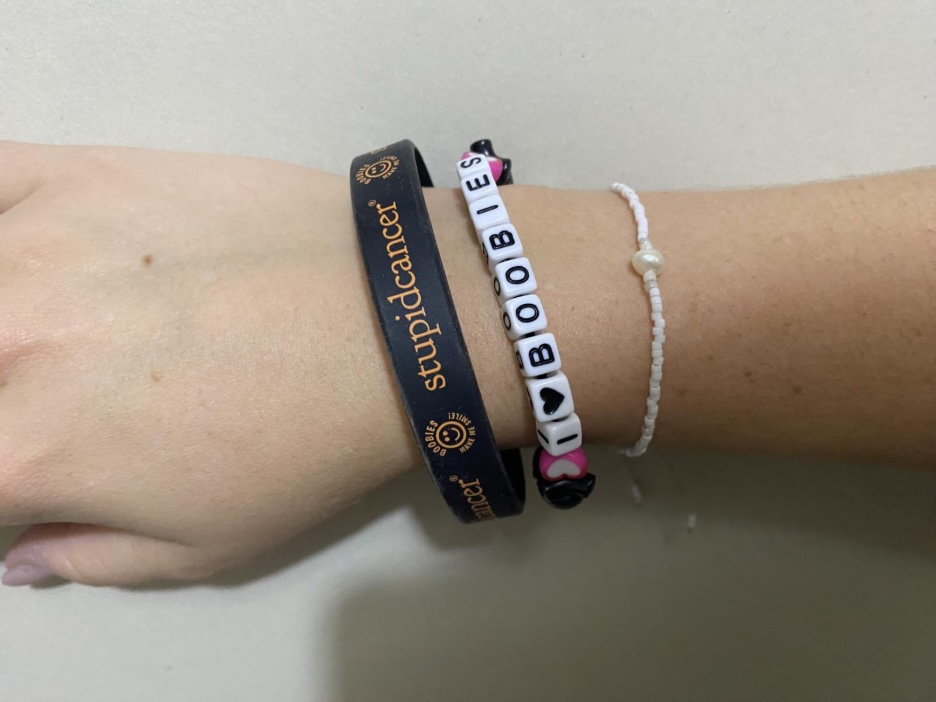
October is famously known as Breast Cancer Awareness month. The signature bright pink ribbon represents the women and men who have battled this deadly cancer. According to cancer.gov, it is second to lung cancer as the leading death causing cancer.
But when should we start paying attention to potential symptoms? The Cleveland Clinic states that 1 in 196 women between the ages of 15 and 39 get diagnosed with invasive breast cancer every year, and encourages them to start looking for symptoms early rather than trying to prevent the cancer.
Men are not excluded from breast cancer awareness. Unfortunately, The National Foundation for Cancer Research claims that 2,800 men each year are affected by breast cancer.
Dorothy Saska, 73, is a breast cancer survivor from Zephyrhills, Florida. She was diagnosed in 2008 at 56 years old after discovering an abnormal lump. At first, Saska believed it to be a benign “fatty” tumor, one that she had dealt with before, until the tumor grew from the size of a fingernail to the size of a cauliflower, raising more concern.
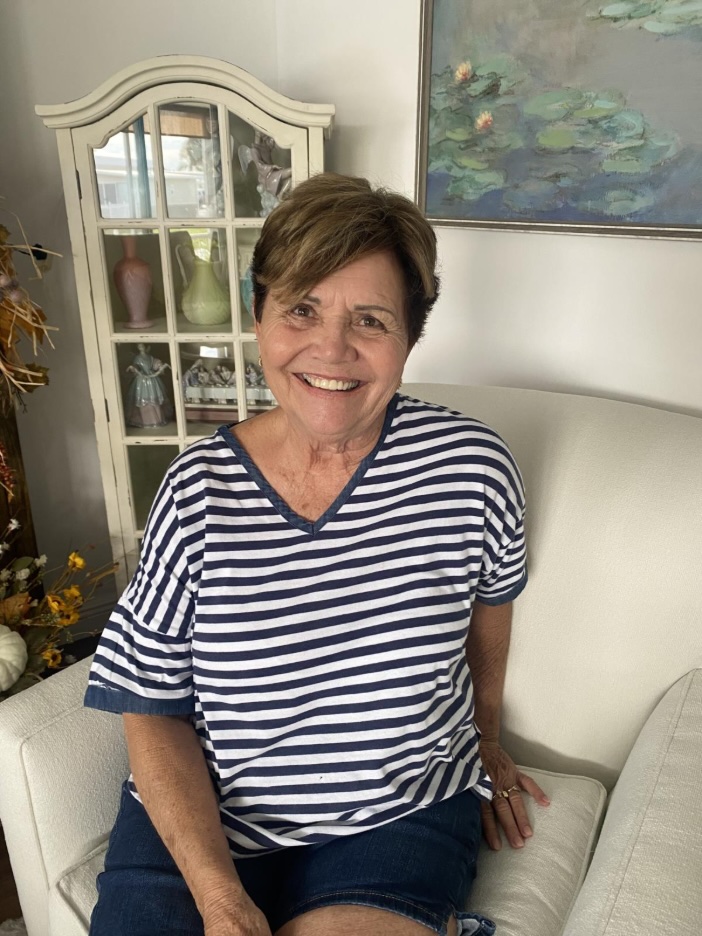
Upon getting the tumor tested and receiving a positive result, Saska said that she was in shockbecause she had convinced herself the tumor was benign based on her experiences and lack of family history with breast cancer.
After going through many rounds of chemotherapy and radiation, Saska believes that “staying strong and having a good attitude helps a lot.”
Saska’s husband, unfortunately, had gone through cancer treatment prior to her diagnosis.
“I knew that he (her husband) would be healed by the Lord, and I kept that same attitude.”
Saska shared some advice for young women and men; it is important to be ahead of the game and know the risks. Saska stated that “no one is above cancer” and “it attacks all ages.” Doing at-home tests consistently and getting a yearly mammogram if cancer runs in your family will lower the risk of cancer being found late in development; making it more difficult to treat.
Websites like https://www.nationalbreastcancer.org/ and https://www.cancer.gov list the potential symptoms someone should look out for, such as lumps, color change of the skin, and tenderness, and explains how to perform checkups at home. If something unusual is noticed, please contact your doctor.
There are facilities located near Saint Leo University that can help, such as the Simpson Breast Health Center in Zephyrhills, Florida, Cancer Specialists and Research Inc., and Moffitt Wesley Chapel.
In the words of Dorothy Saska, “We’ll figure it out and get through it”.