

By Elijah Penn, Copyeditor
As the holiday season rolls around, and the macabre Halloween decorations are taken down, to the joy of many, and the vexation of others, they are quickly replaced by the peaceful décor of Christmas. However, the overlooked blue and silver symbols of another winter holiday can be seen spilling off the shelves of a few stores.
The eight-day Jewish holiday of Hanukkah (also spelled Chanukah) is full of rich traditions and festivities celebrating the ancient Maccabean Revolt and the following miracle of Hanukkah.
Also called the “Festival of Lights,” Hanukkah is often confused by outsiders as a “Jewish Christmas” due to similarities such as a celebratory atmosphere and the tradition of gift-giving. However, the two holidays are very different.
“Some people have equated Hanukkah with Christmas,” Dr. Fern Aefsky, the university Director of Graduate Studies in Education and Professor of Education at Saint Leo, said, talking about people incorporating “Hanukkah bushes” into the holiday to mix it with Christmas traditions. “I do not agree with that,” she said. Aefsky prefers teaching others about the traditions and importance of the holidays of different religions.
“In my family, Hanukkah is very much a celebration for children. Each night, a small gift is given. I enjoy teaching others about the traditions of being Jewish. There are many levels of Judaism and varying views of how to celebrate. I think it is important to be aware of the similarities and differences within Judaism and between Judaism and other faiths,” Aefsky said.
From her childhood, Aesfky remembers lighting the candles of the menorah and saying the blessing each night of Hanukkah.
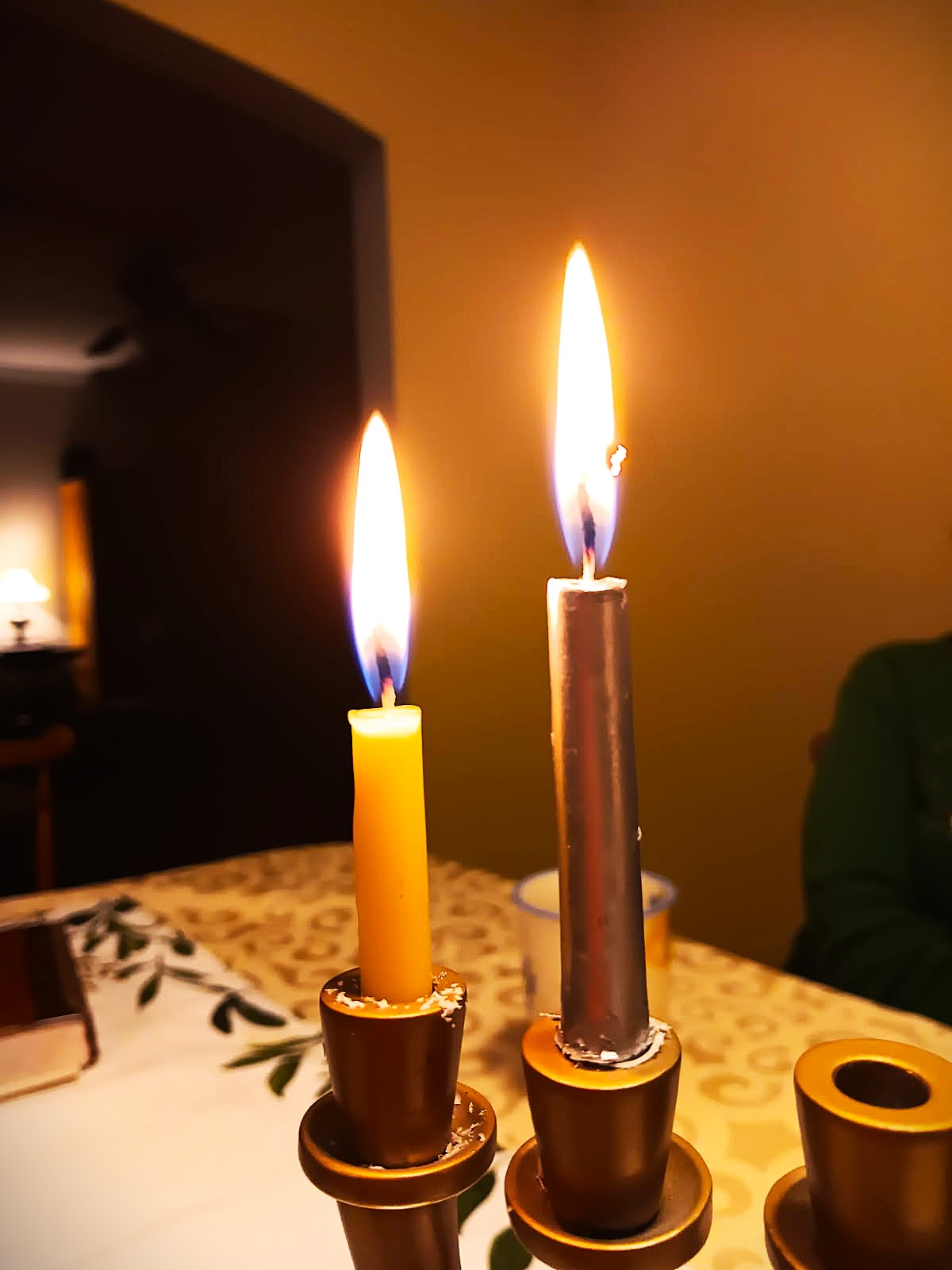
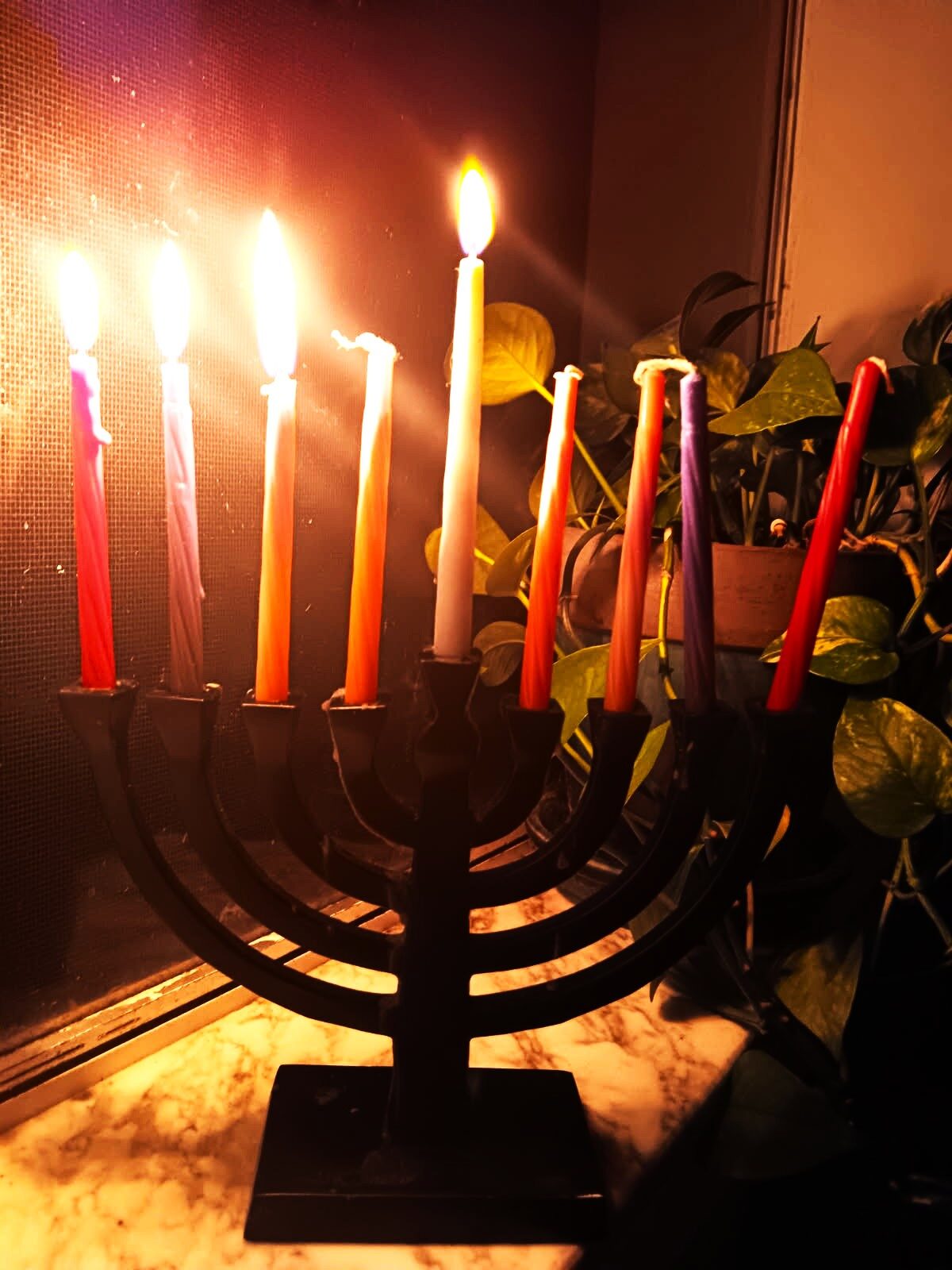
On each night of Hanukkah, one more candle is lit to represent the eight days that the one day’s worth of oil lasted during the rededication of the temple. This miracle provided just enough time for new oil to prepare for the ceremony. The hanukkiah—a special menorah with nine branches—has an elevated place for the “Shamash,” or “Helper” candle, which is only used to light the other candles.
Simon Zylbersztajn, an international sophomore with a double major in political science and international studies, has celebrated Hanukkah for as long as he can remember.
“I like the fact that you have to put … those candles at your window so that everybody can see the light,” said Zylbersztajn. “I like the fact that everybody has to see this light … and get reminded that light is in the world.”
Another notable symbol of Hanukkah, according to Aefsky, is traditional foods such as latkes(potato pancakes fried in oil). Children also play a “dreidel” game for a prize of chocolate coins. A dreidel is like a spinning top with four sides. Each side has a Hebrew letter corresponding with how many coins in the pot that a player can take or must contribute.
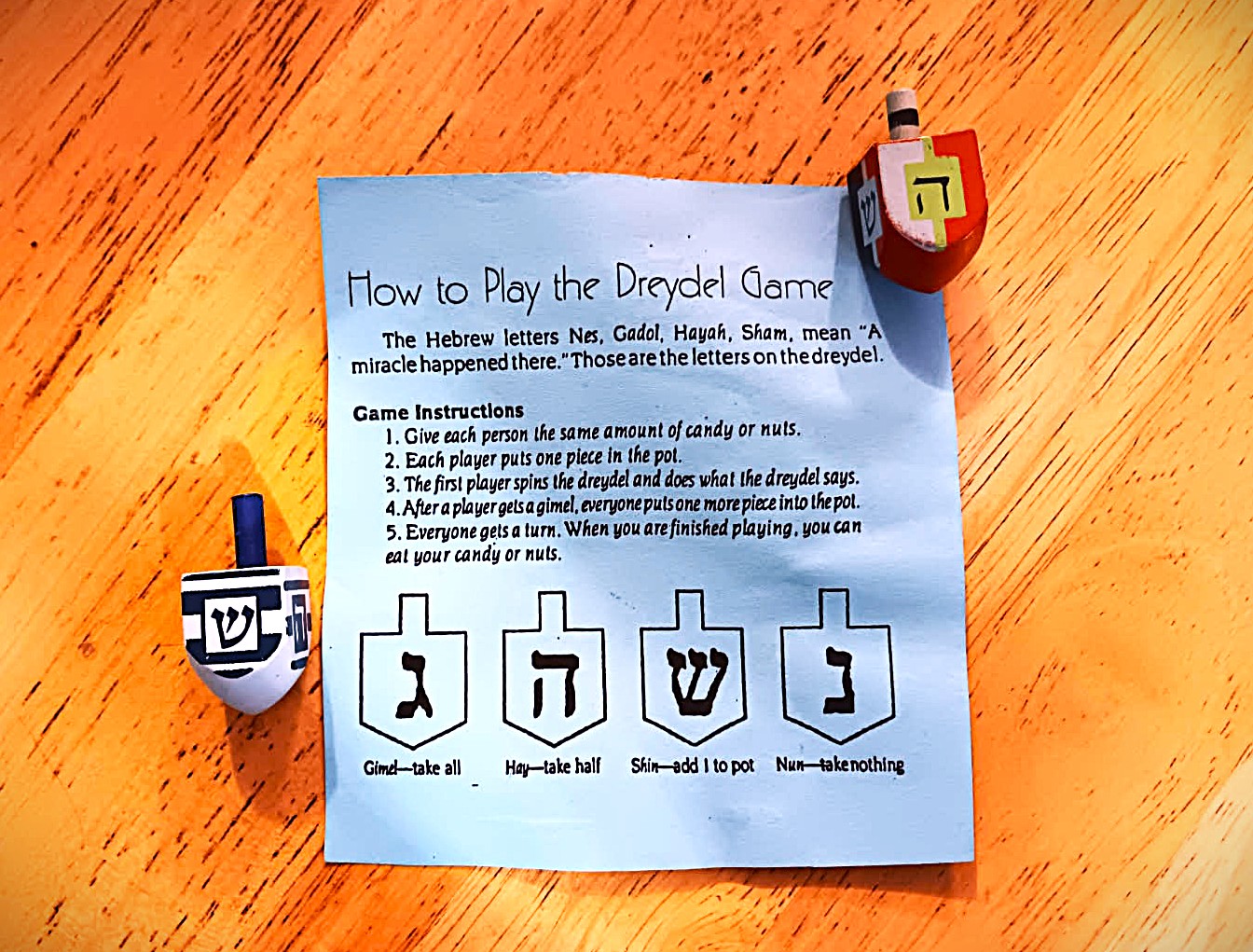
Zylbersztajn explained that Hanukkah is one of the few Jewish holidays that was not laid out by God. Instead, it came to be celebrated as God’s provision for His people in the miracle of Hanukkah. Because of this, Hanukkah is a very joyful season.
“The atmosphere Hanukkah is very joyful,” stated Zylbersztajn. “I wouldn’t say it’s the Jewish Christmas, because that will be false, but it’s the same atmosphere as you will have during Christmas … The family gets together; you enjoy food.”
“Those people had nothing back when the story of Hanukkah happened … They didn’t even haveoil to light the candles up. But God made it happen. So, when you have struggles in your life,and you feel like you’re not able to overcome issues … God will help you make it happen … They had faith, and they still tried, and God made it happen,” expressed Zylbersztajn.
Hanukkah is a joyful winter holiday with rich traditions. It reflects the diverse backgrounds of students and faculty of Saint Leo. This “Festival of Lights” has a deeper spiritual meaning, reminding us all, regardless of our religion, that there is always light in the world, even when we feel lost in the darkness. Hanukkah represents a celebration of hope and victory at a time when the Jewish people were oppressed by a ruthless army.